Introductionمقدّمة
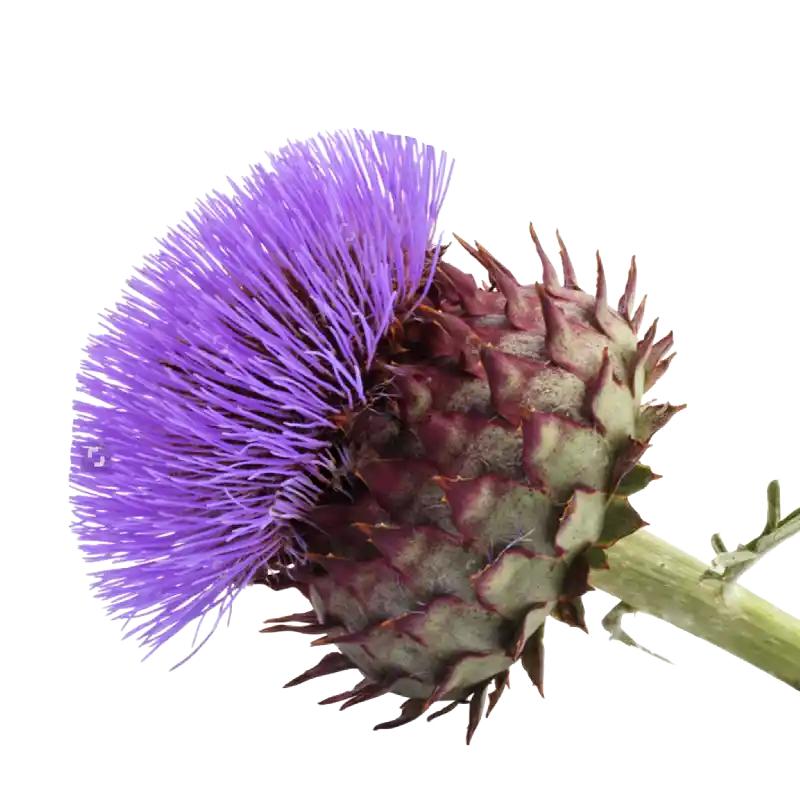
Cynara cardunculus is the cardoon — the wild/ancestral form of the globe artichoke (the artichoke is its cultivated variety). Its bitter leaves are a classic liver and bile herb: they stimulate bile flow, protect the liver, help lower cholesterol and aid digestion (via the compound cynarin), while the fleshy stalks/heads are eaten as a vegetable.Cynara cardunculus هو القُرْديم (الخرشوف البرّي) — الصورة البرّية/السلفية للخرشوف الكبير (والخرشوف صنفه المزروع). وأوراقه المُرّة عشبةُ كبدٍ وصفراء كلاسيكية: تنبّه جريان الصفراء وتحمي الكبد وتعين على خفض الكوليسترول والهضم (بمركّب السينارين)، بينما تُؤكَل السيقان/الرؤوس اللحمية خضاراً.
Categoryالفئة
• Bitter liver/bile herb & vegetable (Asteraceae)
• Choleretic & hepatoprotective (cynarin, studied)
• Cholesterol-lowering & digestive
• Edible vegetable (cardoon/globe artichoke)
• Antioxidant & mild diuretic• عشبة كبد/صفراء مُرّة وخضار (الفصيلة النجمية)
• مُدرّ للصفراء وواقٍ للكبد (سينارين، مدروس)
• خافض للكوليسترول وهاضم
• خضار صالح للأكل (خرشوف/قرديم)
• مضاد للأكسدة ومُدرّ خفيف
Habitatالموطن
A large thistle-like perennial of dry Mediterranean grassland and cultivation; the wild species from which globe artichoke was bred.عشبةٌ معمّرة كبيرة شبيهة بالشوك في المروج المتوسّطية الجافة والزراعة؛ النوع البرّي الذي رُبِّيَ منه الخرشوف الكبير.
Parts usedالأجزاء المستخدمة
• Leaves (main, medicinal)
• Stalks & flower heads (food)
• Root• الأوراق (رئيسي، طبي)
• السيقان ورؤوس الأزهار (غذاء)
• الجذر
Key constituentsالمكوّنات الفعّالة
• Caffeoylquinic acids (cynarin, chlorogenic acid)
• Flavonoids (luteolin)
• Sesquiterpene lactones (cynaropicrin — bitter)
• Inulin (fibre)
• Phenolic acids• أحماض كافيويلكينيّة (سينارين، حمض الكلوروجينيك)
• فلافونويدات (لوتيولين)
• لاكتونات سسكِويتربينية (سينارُوبيكرين — مُرّ)
• إينولين (ليف)
• أحماض فينولية
Researchالأبحاث
Cynara cardunculus (and its artichoke variety) is one of the better-evidenced liver/bile herbs: cynarin and luteolin drive documented choleretic, hepatoprotective, cholesterol-lowering, antioxidant and digestive effects, with supportive clinical data for artichoke-leaf extract in indigestion (dyspepsia) and mildly raised cholesterol. The cardoon is also a nutritious vegetable and a source of inulin.Cynara cardunculus (وصنفه الخرشوف) من عشب الكبد/الصفراء الأحسن دليلاً: يقود السينارين واللوتيولين آثاراً موثّقة مُدرّة للصفراء وواقية للكبد وخافضة للكوليسترول ومضادة للأكسدة وهاضمة، ببياناتٍ سريرية داعمة لمستخلص ورق الخرشوف في عسر الهضم والكوليسترول المرتفع قليلاً. والقُرْديم أيضاً خضارٌ مُغذٍّ ومصدرٌ للإينولين.
Published researchأبحاث منشورة
Traditional useالاستخدام التقليدي
Bitter leaves used since antiquity as a liver and gallbladder tonic for indigestion, bloating, nausea and 'sluggish' liver/bile, for jaundice, to lower cholesterol and support the heart, as a mild diuretic and 'blood cleanser', and for diabetes; the fleshy stalks and heads eaten as a prized vegetable.استُعملت الأوراق المُرّة منذ القِدَم مقوّياً للكبد والمرارة لعسر الهضم والانتفاخ والغثيان و«خمول» الكبد/الصفراء ولليرقان ولخفض الكوليسترول ودعم القلب ومُدرّاً خفيفاً و«منقّياً للدم» وللسكري؛ وتُؤكَل السيقان والرؤوس اللحمية خضاراً نفيساً.
Current useالاستخدام الحالي
Used as an artichoke-leaf digestive/liver and cholesterol supplement and as a vegetable; well studied (cynarin) with supportive clinical data.يُستعمل مكمّلَ ورق خرشوفٍ للهضم/الكبد والكوليسترول وخضاراً؛ ومدروسٌ جيداً (السينارين) ببياناتٍ سريرية داعمة.
Preparationsالتحضيرات
• Standardised leaf extract (liver/cholesterol)
• Leaf infusion (bitter, before meals)
• Edible stalks/heads (vegetable)
• Tincture• مستخلص ورق مقنّن (للكبد/الكوليسترول)
• نقيع الأوراق (مُرّ، قبل الطعام)
• سيقان/رؤوس صالحة للأكل (خضار)
• صبغة
Used for these conditionsيُستخدم لهذه الحالات
Adult dosageجرعة البالغين
Standardised artichoke-leaf extract per product (commonly 300–640 mg 2–3× daily), or a leaf infusion before meals; stalks/heads as food.مستخلص ورق خرشوفٍ مقنّن بحسب المنتج (شائعاً 300–640 مغ 2–3 مرات يومياً)، أو نقيع أوراقٍ قبل الطعام؛ السيقان/الرؤوس غذاءً.
Child dosageجرعة الأطفال
The vegetable is a fine food; medicinal leaf extract only with guidance.الخضار غذاءٌ مقبول؛ ومستخلص الورق الطبي بإرشادٍ فقط.
Cautionتحذيرات
Well tolerated. Because it strongly stimulates bile, avoid the concentrated leaf extract if you have gallstones or bile-duct obstruction (it could trigger colic), and those allergic to daisy-family (Asteraceae) plants may react. It may add to cholesterol- and blood-sugar-lowering medicines. The vegetable itself is very safe.يُحتمَل جيداً. ولأنّه يُنبّه الصفراء بقوّة، يُتجنَّب مستخلص الورق المركّز عند حصى المرارة أو انسداد القناة الصفراوية (قد يُحدِث مغصاً)، وقد يتفاعل حسّاسو الفصيلة النجمية. وقد يضيف إلى أدوية خفض الكوليسترول وسكر الدم. والخضار نفسه آمنٌ جداً.
Pregnancy & nursingالحمل والرضاعة
Food (vegetable) amounts are fine; concentrated leaf extract is best avoided in pregnancy without guidance.كميات الغذاء (الخضار) مقبولة؛ ويُفضَّل تجنّب مستخلص الورق المركّز في الحمل دون إرشاد.