Introductionمقدّمة
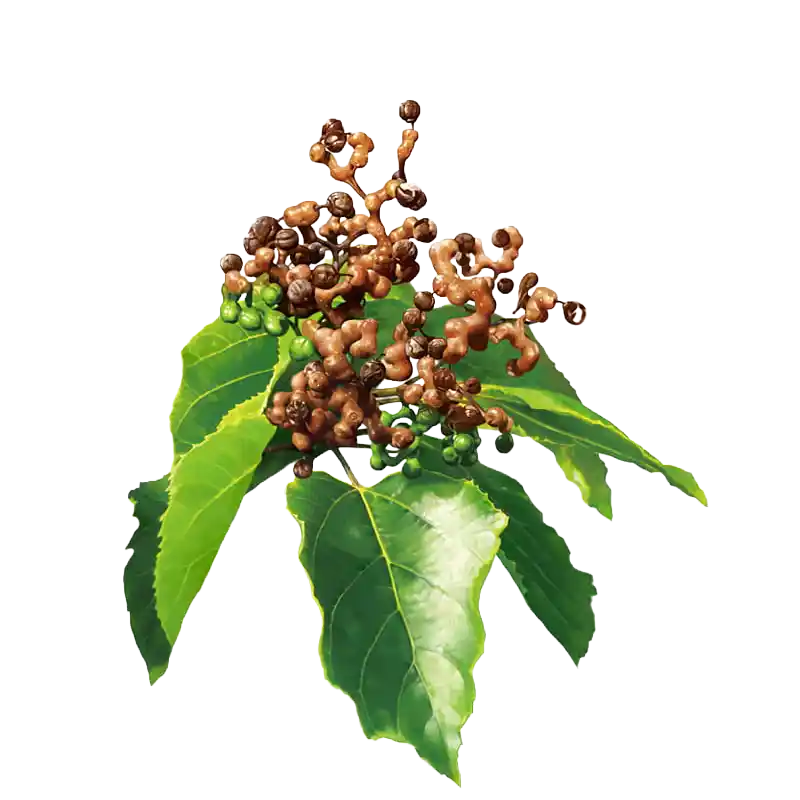
Hovenia dulcis ('zhi ju zi', Japanese raisin tree) is the classic East-Asian remedy for the effects of alcohol — its sweet swollen fruit-stalks and seeds have been used for centuries to relieve intoxication, hangover and thirst and to 'protect the liver'. Its flavonoid dihydromyricetin (DHM) is the most-studied compound, with researched effects on alcohol metabolism and liver protection.شجرة الزبيب اليابانية (Hovenia dulcis، «تشي جو تسي») العلاج الكلاسيكي في شرق آسيا لآثار الكحول — استُعملت سُوَيقاتها الثمرية المنتفخة الحلوة وبذورها قروناً لتخفيف السُّكْر والخُمار والعطش و«حماية الكبد». وفلافونويدها «ديهيدروميريسيتين» (DHM) أكثر مركّباتها دراسةً، بتأثيراتٍ مبحوثة على استقلاب الكحول وحماية الكبد.
Categoryالفئة
• Alcohol-clearing hepatoprotective fruit (Rhamnaceae)
• 'Zhi ju zi' — the classic 'anti-hangover' / liver tree
• Anti-alcohol & hepatoprotective (dihydromyricetin, studied)
• Antioxidant & anti-inflammatory
• Traditional intoxication, thirst & liver herb• ثمرة منقّية للكحول واقية للكبد (الفصيلة السدرية)
• «تشي جو تسي» — شجرة «مضادّة للخُمار»/الكبد الكلاسيكية
• مضادّة للكحول وواقية للكبد (ديهيدروميريسيتين، مدروس)
• مضادّة للأكسدة والالتهاب
• عشبة تقليدية للسُّكْر والعطش والكبد
Habitatالموطن
A deciduous tree of East Asia (China, Korea, Japan) grown for its edible sweet peduncles and medicinal seeds.شجرة نفضية في شرق آسيا (الصين وكوريا واليابان) تُزرَع لسُوَيقاتها الحلوة الصالحة للأكل وبذورها الطبّية.
Parts usedالأجزاء المستخدمة
• Fruit peduncle (swollen stalk)
• Seed
• Fruit• سُوَيقة الثمرة (الساق المنتفخة)
• البذرة
• الثمرة
Key constituentsالمكوّنات الفعّالة
• Dihydromyricetin (DHM / ampelopsin)
• Flavonoids (myricetin, quercetin)
• Triterpene saponins (hovenidulcigenins)
• Sugars
• Organic acids• ديهيدروميريسيتين (DHM/أمبيلوبسين)
• فلافونويدات (ميريسيتين، كيرسيتين)
• سابونينات تربينية ثلاثية (هوفينيدولسيجينينات)
• سكّريات
• أحماض عضوية
Researchالأبحاث
Hovenia dulcis and dihydromyricetin (DHM) are reviewed for anti-alcohol and hepatoprotective activity: studies show enhanced alcohol/acetaldehyde clearance, reduced liver injury and antioxidant/anti-inflammatory effects, and a controlled human trial found a standardized fruit extract eased hangover in people with an ALDH2 variant. Evidence is promising but still limited; it is a supportive remedy, not a licence to drink heavily.تُراجَع شجرة الزبيب اليابانية والديهيدروميريسيتين (DHM) لنشاطٍ مضادّ للكحول وواقٍ للكبد: تُظهر الدراسات تعزيز إزالة الكحول/الأسيتألدهيد وخفض إصابة الكبد وتأثيراتٍ مضادة للأكسدة والالتهاب، ووجدت تجربة بشرية محكومة أنّ مستخلصاً ثمرياً مقنّناً خفّف الخُمار لدى ذوي طفرة ALDH2. والأدلة واعدة لكنها محدودة؛ فهو علاجٌ داعم لا رخصةٌ للإفراط في الشرب.
Published researchأبحاث منشورة
Traditional useالاستخدام التقليدي
Sweet fruit-stalks and seeds decocted or eaten in Chinese, Korean and Japanese medicine to 'relieve the effects of alcohol' — for drunkenness, hangover, thirst and vomiting after drinking — and to protect the liver, ease irritability and heat from alcohol, and (seeds) as a mild laxative and diuretic; the ripe peduncle is also eaten as a sweet fruit.تُغلى السُّوَيقات الحلوة والبذور أو تُؤكل في الطبّ الصيني والكوري والياباني «لتخفيف آثار الكحول» — للسُّكْر والخُمار والعطش والقيء بعد الشرب — ولحماية الكبد وتخفيف التهيّج والحرارة من الكحول، و(البذور) مليّناً خفيفاً ومدرّاً للبول؛ وتُؤكل السُّوَيقة الناضجة ثمرةً حلوة كذلك.
Current useالاستخدام الحالي
The classic 'anti-hangover'/liver tree (zhi ju zi) whose compound dihydromyricetin is researched for aiding alcohol metabolism and protecting the liver.شجرة «مضادّة للخُمار»/الكبد الكلاسيكية (تشي جو تسي) التي يُبحَث مركّبها ديهيدروميريسيتين لدعم استقلاب الكحول وحماية الكبد.
Preparationsالتحضيرات
• Fruit-stalk/seed decoction
• Sweet ripe peduncle (eaten)
• Standardized DHM extract/supplement• مغلي السُّوَيقة/البذور
• السُّوَيقة الناضجة الحلوة (تُؤكل)
• مستخلص/مكمّل DHM مقنّن
Used for these conditionsيُستخدم لهذه الحالات
Adult dosageجرعة البالغين
Fruit-stalk/seed decoction in modest traditional amounts per Chinese practice; standardized DHM extracts are also sold as supplements.مغلي السُّوَيقة/البذور بكميات تقليدية معتدلة بحسب الممارسة الصينية؛ وتُباع مستخلصات DHM المقنّنة مكمّلاتٍ كذلك.
Child dosageجرعة الأطفال
Not a routine children's herb; concentrated use only under guidance.ليست عشبة أطفال روتينية؛ والاستعمال المركّز بإرشاد فقط.
Cautionتحذيرات
A supportive liver/anti-alcohol herb — not a reason to drink more, and no herb makes heavy drinking safe. It may add to blood-sugar-lowering effects (monitor if diabetic), and concentrated DHM extracts can interact with medicines processed by the liver; use sensibly and seek help for problem drinking. Choose correctly identified fruit/extract.عشبة داعمة للكبد/مضادّة للكحول — لا مبرّراً لزيادة الشرب، ولا عشبة تجعل الإفراط آمناً. وقد تُضاف إلى خفض سكّر الدم (يُراقَب لدى السكّري)، وقد تتداخل مستخلصات DHM المركّزة مع أدوية يستقلبها الكبد؛ يُستعمل بحكمة ويُطلَب العون لمشكلة الشرب. وتُختار ثمرة/مستخلص مُعرَّف بدقّة.
Pregnancy & nursingالحمل والرضاعة
Little pregnancy safety data for medicinal/extract use — occasional fruit is food, but avoid concentrated extracts in pregnancy without guidance.بيانات سلامة قليلة في الحمل للاستعمال العلاجي/المستخلص — الثمرة العَرَضية غذاء، لكن تُتجنّب المستخلصات المركّزة في الحمل دون إرشاد.