Introductionمقدّمة
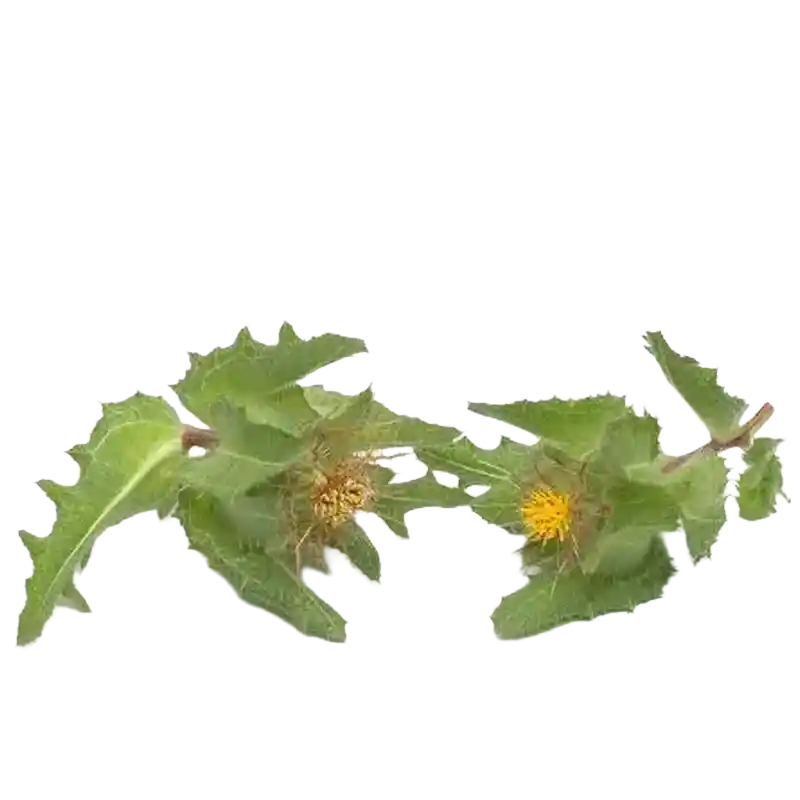
Cnicus benedictus (blessed thistle) is a spiny thistle prized since the Middle Ages as a bitter digestive and 'cure-all' tonic. Its bitter principle cnicin gives antimicrobial and anti-inflammatory activity; it is also a traditional herb to support breast-milk flow.الشوكة المباركة (Cnicus benedictus) شوكٌ قُدِّر منذ القرون الوسطى مُرّاً هاضماً ومقوّياً «لكلّ داء». ويمنح مبدؤها المُرّ (السنيسين) نشاطاً مضاداً للميكروبات والالتهاب؛ وهي أيضاً عشبةٌ تقليدية لدعم إدرار حليب الثدي.
Categoryالفئة
• Classic bitter tonic
• Digestive / appetite stimulant
• Antimicrobial (cnicin)
• Anti-inflammatory / analgesic (preclinical)
• Traditional galactagogue• مقوٍّ مُرّ كلاسيكي
• هاضم/فاتح للشهية
• مضاد للميكروبات (سنيسين)
• مضاد للالتهاب/مُسكِّن (أوّلي)
• مُدِرٌّ للحليب تقليدي
Habitatالموطن
An annual thistle with yellow flowerheads wrapped in spiny bracts, of dry Mediterranean and West-Asian ground, widely cultivated.شوكٌ حوليّ بنوراتٍ صفراء مغلّفة بقنابات شائكة، في أرض المتوسّط وغرب آسيا الجافّة، يُزرَع واسعاً.
Parts usedالأجزاء المستخدمة
• Aerial parts (flowering herb)• الأجزاء الهوائية (العشبة المزهرة)
Key constituentsالمكوّنات الفعّالة
• Sesquiterpene lactone (cnicin)
• Lignans
• Flavonoids
• Tannins
• Essential oil• لاكتون سيسكويتربيني (سنيسين)
• لِغنانات
• فلافونويدات
• عفص
• زيتٌ طيّار
Researchالأبحاث
Studies show blessed thistle leaf extract has antinociceptive (pain-relieving) and anti-inflammatory activity, and its cnicin is antimicrobial. Traditional-medicine reviews document its long use as a bitter digestive, appetite stimulant and galactagogue; formal clinical trials are limited.تُظهِر الدراسات أن لمستخلص أوراق الشوكة المباركة نشاطاً مُسكِّناً للألم ومضاداً للالتهاب، وأن السنيسين فيها مضادٌ للميكروبات. وتوثّق مراجعات الطبّ التقليدي استعمالها الطويل مُرّاً هاضماً وفاتحاً للشهية ومُدِرّاً للحليب؛ والتجارب السريرية الرسمية محدودة.
Published researchأبحاث منشورة
Traditional useالاستخدام التقليدي
A famous medieval bitter tonic for poor appetite, weak digestion and 'melancholy', for fevers and the liver, applied to wounds, and taken by nursing mothers to promote milk.مقوٍّ مُرّ من العصور الوسطى شهير لضعف الشهية والهضم و«الكآبة»، وللحمّى والكبد، ويُوضَع على الجروح، وتأخذه المُرضِعات لإدرار الحليب.
Current useالاستخدام الحالي
Used in digestive bitters and appetite tonics, and in nursing-support herbal blends (often with fenugreek).يُستعمل في المُرّيّات الهاضمة ومقوّيات الشهية، وفي خلطات دعم الرضاعة العشبية (غالباً مع الحلبة).
Preparationsالتحضيرات
Infusion, Tincture, Digestive bittersنقيع، صبغة، مُرّيّات هاضمة
Used for these conditionsيُستخدم لهذه الحالات
Adult dosageجرعة البالغين
Infusion of 1.5–2 g dried herb before meals, or per product; the taste is very bitter.نقيع 1.5–2 غ عشبة مجفّفة قبل الطعام، أو بحسب المنتج؛ والطعم مُرٌّ جداً.
Child dosageجرعة الأطفال
Only under professional guidance.فقط بإشراف مختصّ.
Cautionتحذيرات
Very bitter and stimulates stomach acid — avoid with active stomach or duodenal ulcers. High doses can cause nausea and vomiting. People allergic to the daisy family may react. Its cnicin can cause contact allergy. Avoid in pregnancy.مُرٌّ جداً ويُنبِّه حمض المعدة — يُتجنَّب مع قرحة المعدة أو الاثني عشر النشطة. وقد تسبّب الجرعات العالية غثياناً وقيئاً. وقد يتحسّس المتحسّسون لفصيلة الأقحوان. وقد يسبّب السنيسين تحسّساً تماسّياً. يُتجنَّب في الحمل.
Pregnancy & nursingالحمل والرضاعة
Avoid in pregnancy — traditionally regarded as a uterine stimulant.تُتجنَّب في الحمل — تُعدّ تقليدياً مُنبِّهة للرحم.