
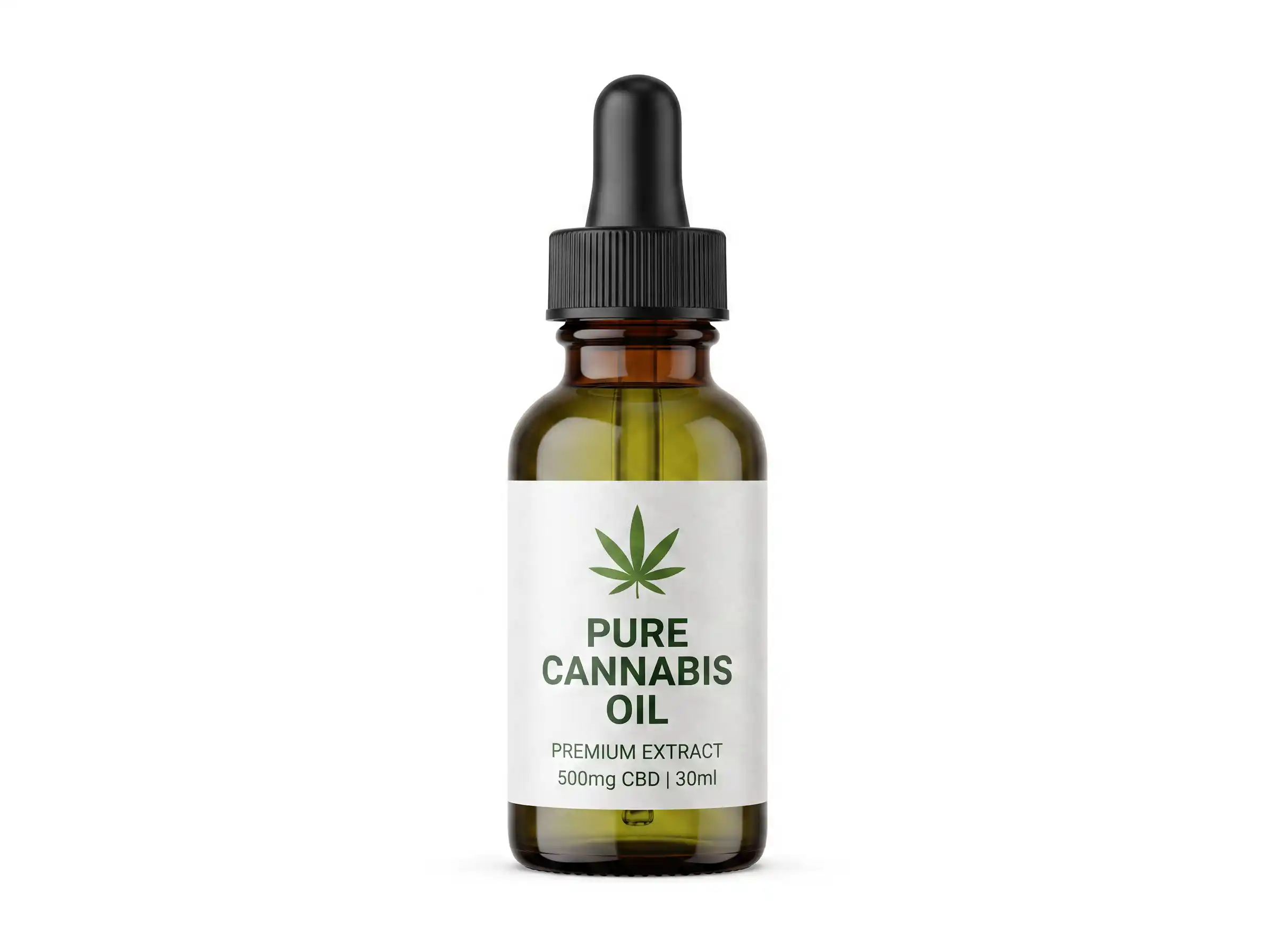
هل يُدمّر زيت القنّب (الحشيش) الأورام ويشفي السرطان؟
مُبالغ فيه خطِرالادعاء بأن زيت القنب (الحشيش) — مثل «زيت ريك سيمبسون RSO» — يمكنه تدمير الأورام وشفاء السرطان، وأنه يُغني عن العلاج الكيميائي أو الإشعاعي أو الجراحة؛ هو محض خرافة خطيرة ولا يستند إلى أي دليل علمي.
This claim extrapolates a preliminary laboratory finding, inaccurately promoting it as a proven cure for humans. While in vitro cell cultures and animal models have demonstrated that cannabinoids (THC and CBD) can induce cancer cell death and reduce tumor size, these controlled environments rarely translate to human physiology. After decades of research, there remains no reliable clinical evidence that cannabis oil shrinks tumors or cures any form of cancer in patients. The evidence-based role of cannabis in oncology is strictly palliative—managing symptoms such as chemotherapy-induced nausea, loss of appetite, and chronic pain, rather than treating the underlying disease. The profound danger lies in patients postponing or abandoning proven, life-saving medical interventions—such as surgery, chemotherapy, and radiotherapy—in favor of unproven cannabis oil treatments.
يستند هذا الادعاء إلى تحريف نتائج مخبرية حقيقية وتضخيمها للترويج لعلاج بشري غير مثبت. فرغم أن مركبات القنب (THC و CBD) قد أظهرت قدرة على تدمير الخلايا السرطانية وتقليص الأورام في المزارع الخلوية والتجارب الحيوانية، إلا أن هذه الأنظمة الاصطناعية نادراً ما تنعكس نتائجها على جسم الإنسان. وعلى مدى عقود، لم يتوفر أي دليل سريري موثوق يؤكد أن زيت القنب يُصغّر الأورام أو يشفي السرطان لدى البشر. إن الفعالية المثبتة علمياً للقنب في طب الأورام تقتصر حصراً على الرعاية الملطفة؛ كتقليل الغثيان المرافق للعلاج الكيميائي، وتحفيز الشهية، وتسكين الألم، دون أن تمتد لمعالجة المرض ذاته. وتكمن الخطورة الحقيقية في تخلي المرضى عن العلاجات المعتمدة والمنقذة للحياة (الجراحة، العلاج الكيميائي والإشعاعي) لصالح الاعتماد على زيت القنب.
Cannabis oil is not without adverse effects. Oils with high THC concentrations can induce dizziness, somnolence, confusion, anxiety or panic attacks, tachycardia (a racing heart), and hypotension (low blood pressure). Conversely, CBD can cause side effects such as diarrhea, fatigue, and alterations in liver enzymes. Crucially, cannabinoids can have severe drug interactions with numerous medications—including anticoagulants (blood thinners) and various chemotherapy agents—because they alter the function of the liver enzymes responsible for metabolizing these drugs. Furthermore, the use of homemade or unregulated oils poses a significant hazard, as they vary drastically in potency and purity.
لا يخلو استخدام زيت القنب من الآثار الجانبية والأضرار. فالزيوت ذات التركيز العالي من مركب (THC) قد تؤدي إلى الشعور بالدوار، والنعاس، والارتباك، ونوبات القلق أو الذعر، فضلاً عن تسارع ضربات القلب وانخفاض ضغط الدم. من جهة أخرى، يمكن أن يتسبب مركب (CBD) في حدوث الإسهال، والإرهاق، وتغيرات ملحوظة في إنزيمات الكبد. الأهم من ذلك هو أن مركبات القنب تتداخل دوائياً مع العديد من العقاقير — بما فيها مميعات الدم وبعض أدوية العلاج الكيميائي — نظراً لتأثيرها على إنزيمات الكبد المسؤولة عن استقلاب تلك الأدوية. ومما يزيد من المخاطر أن الزيوت غير الخاضعة للرقابة أو المُحضرة منزلياً تتفاوت بشكل جذري من حيث التركيز ودرجة النقاء.
Ultimately, the greatest harm associated with cannabis oil lies not in the substance itself, but in the medical treatments it might replace. Cannabis oil must never be utilized as a substitute for proven interventions such as surgery, chemotherapy, or radiotherapy. Furthermore, any concurrent use alongside conventional cancer therapies must be thoroughly discussed with your oncology team due to the high risk of severe drug interactions. Do not discontinue or postpone evidence-based care to experiment with cannabis; delaying treatment can allow a curable, early-stage cancer to progress to an untreatable stage. Always disclose the use of any cannabis products to your physician.
يُعدّ مصطلح "زيت القنب" مصطلحاً فضفاضاً يشمل منتجات شديدة التباين. ففي حين يشير أحياناً إلى الأدوية الصيدلانية القياسية المستخلصة من القنب (مثل درونابينول، نابيلون، ونابيكسيمولس) والتي خضعت لتجارب سريرية دقيقة تركزت غالباً على إدارة الأعراض، فإنه يشير في أحيان أخرى إلى منتجات غير خاضعة للرقابة تُباع عبر الإنترنت تحت اسم (RSO) وتحتوي على مستويات عالية من (THC) دون أي التزام بمعايير الجرعة أو الجودة. ومن الخطأ الجسيم علمياً سحب الأدلة المثبتة لفعالية المنتجات الطبية القياسية وتطبيقها على الزيوت التجارية العشوائية.
The term "cannabis oil" is a broad umbrella that encompasses fundamentally different products. It includes standardized pharmaceutical cannabinoids (such as dronabinol, nabilone, and nabiximols) that have undergone rigorous clinical trials, primarily for symptom management. Conversely, it also refers to unregulated, high-THC products—such as "RSO" oils—sold over the internet with zero oversight regarding dosage consistency or quality control. It is a critical error to conflate the two; scientific evidence validating the efficacy of standardized pharmaceuticals cannot be applied to unregulated commercial oils.
تُعد تسمية «زيت القنب» مصطلحاً فضفاضاً يشمل منتجات شديدة التباين؛ فمن جهة، توجد مركبات قنب دوائية خاضعة للمعايير (مثل درونابينول، نابيلون، ونابيكسيمولز) خضعت لتجارب سريرية دقيقة تركزت أساساً على تخفيف الأعراض. ومن جهة أخرى، نجد زيوت «RSO» غير الخاضعة للرقابة والتي تُباع عبر الإنترنت بتركيزات عالية من مركب الـ THC، وتفتقر لأي التزام بجرعات ثابتة أو معايير لضبط الجودة. ومن الخطأ الجسيم علمياً سحب الأدلة التي تدعم الأدوية المعيارية لتبرير استخدام الزيوت العشوائية.