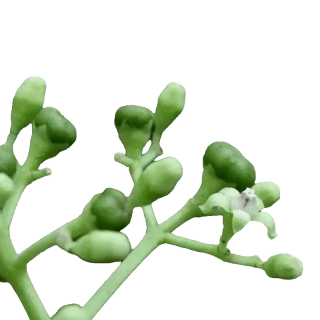
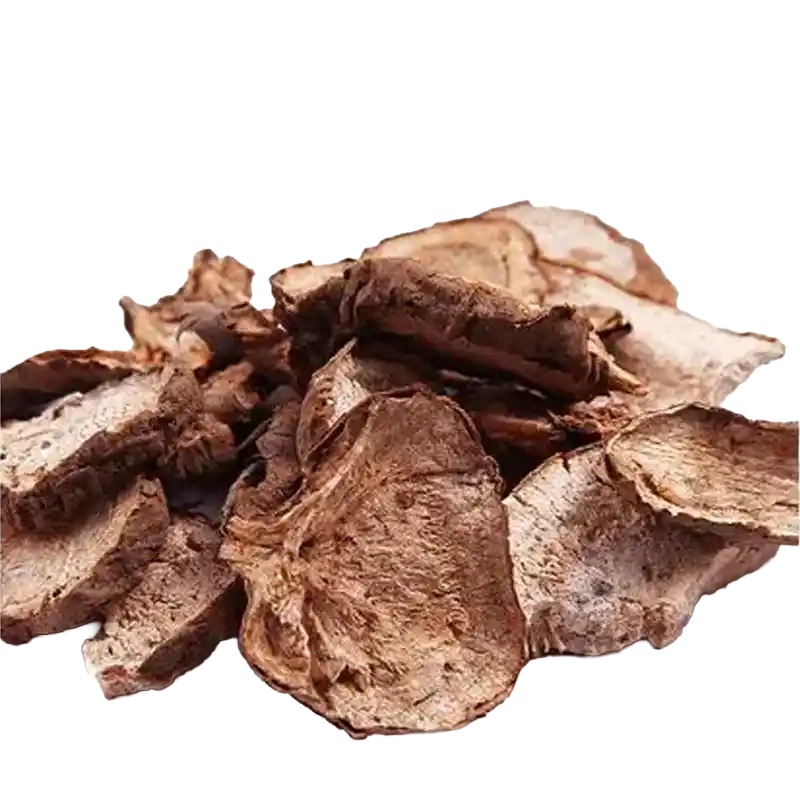
Introductionمقدّمة
Ampelopsis japonica ('bai lian') is a climbing vine of East Asia whose tuberous root is a traditional Chinese 'heat-clearing, toxin-resolving' medicine, used especially for sores, boils, abscesses, burns, swellings and skin problems, applied as a powder or paste and taken to clear 'heat-toxin'. Studies report anti-inflammatory, antimicrobial, antioxidant and wound-healing activity.أمبيلوبسيس يابانية (Ampelopsis japonica، «باي ليان») متسلّقة من شرق آسيا جذرها الدرنيّ دواءٌ صيني تقليدي «مصفٍّ للحرارة، مُزيل للسمّ»، يُستعمل خاصةً للقروح والدمامل والخرّاجات والحروق والأورام ومشكلات الجلد، يُوضَع مسحوقاً أو عجينةً ويُؤخَذ لإزالة «سمّ الحرارة». وتذكر الدراسات نشاطاً مضاداً للالتهاب والميكروبات والأكسدة ومُلئِماً للجروح.
Categoryالفئة
• Medicinal tuberous vine (Vitaceae)
• 'Bai lian' — heat-clearing, sore & wound TCM root
• Anti-inflammatory, antimicrobial & antioxidant (studied)
• Wound-healing; skin & abscess remedy
• Traditional sore, burn, abscess & 'heat-toxin' herb• متسلّقة درنية طبّية (الفصيلة العنبية)
• «باي ليان» — جذر TCM لتصفية الحرارة والقروح والجروح
• مضادة للالتهاب والميكروبات والأكسدة (مدروس)
• مُلئِمة للجروح؛ علاج للجلد والخرّاجات
• عشبة تقليدية للقروح والحروق والخرّاجات و«سمّ الحرارة»
Habitatالموطن
A climbing vine with tuberous roots, of hills and scrub in China, Korea and Japan.متسلّقة بجذورٍ درنية، في التلال والأدغال في الصين وكوريا واليابان.
Parts usedالأجزاء المستخدمة
• Tuberous root (main)• الجذر الدرنيّ (رئيسي)
Key constituentsالمكوّنات الفعّالة
• Flavonoids & phenolics
• Triterpenes & sterols
• Tannins
• Anthraquinones
• Antioxidant compounds• فلافونويدات وفينولات
• تريتربينات وستيرولات
• تانينات
• أنثراكينونات
• مركّبات مضادة للأكسدة
Researchالأبحاث
Ampelopsis japonica is documented for anti-inflammatory, antimicrobial, antioxidant and wound-healing activity in pharmacological studies of its root extracts, giving modern support to its traditional 'heat-clearing' use for sores, abscesses, burns and skin problems. Evidence is chiefly preclinical, resting on its flavonoid/triterpene chemistry and long TCM use.أمبيلوبسيس يابانية موثّقة لنشاطٍ مضاد للالتهاب والميكروبات والأكسدة ومُلئِم للجروح في دراساتٍ دوائية لمستخلصات جذرها، بما يمنح دعماً حديثاً لاستعمالها «المصفّي للحرارة» التقليدي للقروح والخرّاجات والحروق ومشكلات الجلد. والأدلة أوّلية أساساً، تقوم على كيمياء الفلافونويد/التريتربين واستعمالها الصيني الطويل.
Published researchأبحاث منشورة
Traditional useالاستخدام التقليدي
Root powder/paste applied to boils, abscesses, sores, carbuncles, burns, scalds, swellings, and non-healing wounds, and taken (in decoction) to 'clear heat and resolve toxin' for skin infections, sore throat and inflammatory conditions; a classic Chinese 'bai lian' sore/abscess remedy, often combined in surgical/skin formulas.يُوضَع مسحوق/عجينة الجذر على الدمامل والخرّاجات والقروح والدُّمَّل والحروق والسمط والأورام والجروح غير الملتئمة، ويُؤخَذ (مغلياً) «لتصفية الحرارة وإزالة السمّ» لعدوى الجلد والتهاب الحلق والحالات الالتهابية؛ علاج قروح/خرّاجات صيني «باي ليان» كلاسيكي، يُدمَج غالباً في خلطات جراحية/جلدية.
Current useالاستخدام الحالي
A traditional Chinese heat-clearing, sore/abscess and wound-healing root (bai lian) with researched anti-inflammatory, antimicrobial and wound-healing activity.جذر صيني تقليدي مصفٍّ للحرارة وللقروح/الخرّاجات ومُلئِم للجروح (باي ليان) بنشاطٍ مضاد للالتهاب والميكروبات ومُلئِم للجروح مدروس.
Preparationsالتحضيرات
• Root powder / paste (sores/wounds — external)
• Root decoction (guided)
• In TCM skin/sore formulas• مسحوق/عجينة الجذر (قروح/جروح — خارجي)
• مغلي الجذر (مُرشَد)
• في خلطات الجلد/القروح الصينية
Used for these conditionsيُستخدم لهذه الحالات
Adult dosageجرعة البالغين
Root decoction/powder per traditional Chinese practice; powder/paste applied externally.مغلي/مسحوق الجذر بحسب الممارسة الصينية التقليدية؛ ومسحوق/عجينة تُوضَع خارجياً.
Child dosageجرعة الأطفال
External use is gentle; internal doses only with guidance.الاستعمال الخارجي لطيف؛ والجُرَع الداخلية بإرشاد فقط.
Cautionتحذيرات
Generally used topically and in traditional Chinese formulas. In TCM it is classically considered incompatible with aconite ('the eighteen incompatibilities'), so it should not be combined with aconite-type herbs. Keep internal use to guided traditional doses, use external preparations on clean skin, and seek proper medical care for serious or spreading skin infections.يُستعمل عموماً موضعياً وفي الخلطات الصينية التقليدية. وفي الطبّ الصيني يُعدّ كلاسيكياً متنافراً مع الأكونيت («التنافرات الثمانية عشرة»)، فلا يُدمَج مع أعشاب من نوع الأكونيت. ويُقتصَر الاستعمال الداخلي على جُرَع تقليدية مُرشَدة، وتُستعمل المستحضرات الخارجية على جلدٍ نظيف، ويُطلَب العلاج الطبّي السليم لعدوى الجلد الخطيرة أو المنتشرة.
Pregnancy & nursingالحمل والرضاعة
Insufficient safety data — best avoided in medicinal amounts during pregnancy without guidance.بيانات سلامة غير كافية — الأفضل تجنّبه بكميات علاجية في الحمل دون إرشاد.