Introductionمقدّمة
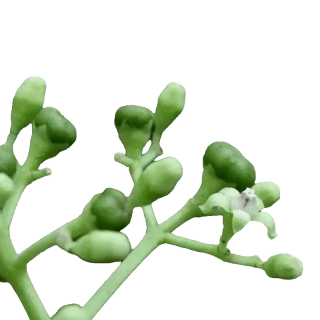
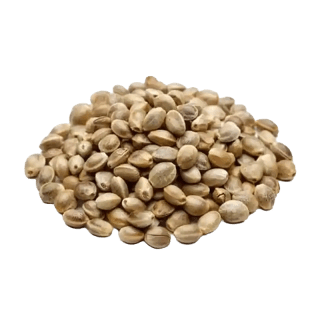
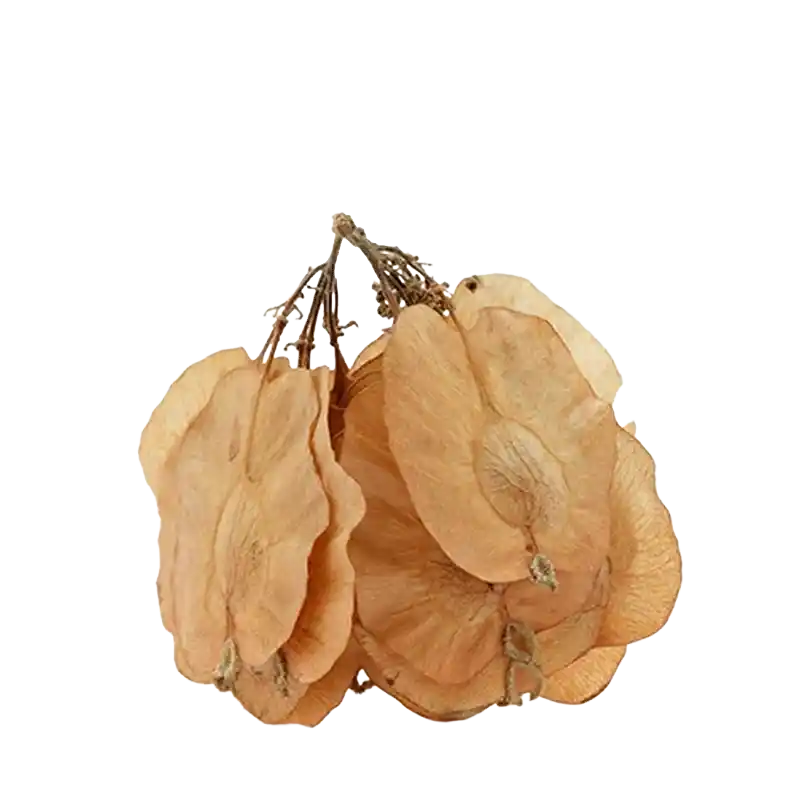
Holoptelea integrifolia (Indian elm, 'chirbilva', 'kanju') is a tree whose bark, leaves and seeds are used in Ayurveda for arthritis and joint pain, obesity and high cholesterol, skin diseases, piles, worms, oedema and digestive complaints. Studies report anti-inflammatory, analgesic, anti-obesity/hypolipidaemic, antioxidant and antimicrobial activity, supporting its traditional use for inflammation, weight and skin.الدردار الهندي (Holoptelea integrifolia، «تشيربيلفا»، «كانجو») شجرةٌ لحاؤها وأوراقها وبذورها تُستعمل في الأيورفيدا للمفاصل وألمها والسمنة وارتفاع الكوليسترول وأمراض الجلد والبواسير والديدان والوذمة وشكاوى الهضم. وتذكر الدراسات نشاطاً مضاداً للالتهاب ومسكّناً ومضاداً للسمنة/خافضاً للدهون ومضاداً للأكسدة والميكروبات، بما يدعم استعمالها للالتهاب والوزن والجلد.
Categoryالفئة
• Medicinal tree (Ulmaceae/Cannabaceae)
• 'Chirbilva' — bark for joints, skin & weight
• Anti-inflammatory & anti-obesity (studied)
• Antioxidant, antimicrobial & analgesic
• Traditional arthritis, obesity, skin & digestive herb• شجرة طبّية (الفصيلة الدردارية/القنّبية)
• «تشيربيلفا» — لحاء للمفاصل والجلد والوزن
• مضادة للالتهاب والسمنة (مدروس)
• مضادة للأكسدة والميكروبات ومسكّنة
• عشبة تقليدية للمفاصل والسمنة والجلد والهضم
Habitatالموطن
A large deciduous tree of dry forests and plains across India and South Asia, with a distinctive smell to its fresh bark.شجرة نفضية كبيرة في الغابات الجافة والسهول عبر الهند وجنوب آسيا، برائحةٍ مميّزة للحائها الطازج.
Parts usedالأجزاء المستخدمة
• Bark (main)
• Leaves & seeds• اللحاء (رئيسي)
• الأوراق والبذور
Key constituentsالمكوّنات الفعّالة
• Flavonoids & phenolics
• Terpenoids & sterols
• Tannins
• Friedelin & lupeol-type triterpenes
• Antioxidant compounds• فلافونويدات وفينولات
• تربينويدات وستيرولات
• تانينات
• تريتربينات من نوع الفريدلين واللوبيول
• مركّبات مضادة للأكسدة
Researchالأبحاث
Holoptelea integrifolia is documented (in reviews and studies) for anti-inflammatory, analgesic, anti-obesity/hypolipidaemic, antioxidant and antimicrobial activity: leaf and bark extracts show anti-inflammatory effects, and the plant has been studied for weight- and lipid-lowering properties. This supports its traditional use for arthritis, obesity, skin and digestive complaints; evidence is chiefly preclinical.الدردار الهندي موثّقٌ (في مراجعات ودراسات) لنشاطٍ مضاد للالتهاب ومسكّن ومضاد للسمنة/خافض للدهون ومضاد للأكسدة والميكروبات: مستخلصات الأوراق واللحاء تُظهِر آثاراً مضادة للالتهاب، ودُرِس النبات لخصائص خافضة للوزن والدهون. وهذا يدعم استعماله التقليدي للمفاصل والسمنة والجلد وشكاوى الهضم؛ والأدلة أوّلية أساساً.
Published researchأبحاث منشورة
Traditional useالاستخدام التقليدي
Bark decoction/powder taken for rheumatoid and osteoarthritis, joint swelling and pain, obesity and high cholesterol, piles, worms, oedema, diabetes and skin diseases, and as a bitter, astringent 'fat-reducing' and anti-inflammatory remedy; bark/leaf paste applied to swellings, wounds and skin problems; a classic Ayurvedic 'chirbilva' medicine.يُؤخَذ مغلي/مسحوق اللحاء للمفاصل الرثوية والفصال العظمي وتورّم المفاصل وألمها والسمنة وارتفاع الكوليسترول والبواسير والديدان والوذمة والسكري وأمراض الجلد، وعلاجاً مُرّاً قابضاً «مُنقِصاً للدهن» مضاداً للالتهاب؛ وتُوضَع عجينة اللحاء/الأوراق على الأورام والجروح ومشكلات الجلد؛ دواءٌ أيورفيدي «تشيربيلفا» كلاسيكي.
Current useالاستخدام الحالي
A traditional anti-arthritic, anti-obesity, skin and digestive bark with researched anti-inflammatory, hypolipidaemic and antimicrobial activity.لحاء تقليدي مضاد للمفاصل والسمنة وللجلد والهضم بنشاطٍ مضاد للالتهاب وخافض للدهون ومضاد للميكروبات مدروس.
Preparationsالتحضيرات
• Bark decoction / powder
• External paste (joints/skin)
• Seed/bark (anthelmintic — guided)• مغلي/مسحوق اللحاء
• عجينة خارجية (مفاصل/جلد)
• البذر/اللحاء (طارد للديدان — مُرشَد)
Used for these conditionsيُستخدم لهذه الحالات
Adult dosageجرعة البالغين
Bark decoction/powder in modest traditional amounts; external paste for joints/skin.مغلي/مسحوق اللحاء بكميات تقليدية معتدلة؛ وعجينة خارجية للمفاصل/الجلد.
Child dosageجرعة الأطفال
Use only with professional guidance.يُستعمل فقط بإرشاد مختصّ.
Cautionتحذيرات
Generally a low-toxicity traditional herb. Large internal doses of the bark can irritate the stomach or cause nausea (it is bitter and astringent), so keep to modest amounts. Note that the seeds/bark are traditionally used as emetics/anthelmintics in larger doses — use those effects only under guidance. Confirm correct identification.عشبة تقليدية منخفضة السمّية عموماً. والجُرَع الداخلية الكبيرة من اللحاء قد تهيّج المعدة أو تُسبّب غثياناً (فهو مُرٌّ وقابض)، فيُقتصَر على كميات معتدلة. ويُلاحَظ أنّ البذور/اللحاء تُستعمل تقليدياً مقيّئات/طاردات للديدان بجُرَع أكبر — فتُستعمل تلك الآثار بإرشاد فقط. ويُؤكَّد التحديد الصحيح.
Pregnancy & nursingالحمل والرضاعة
Insufficient safety data — best avoided in medicinal amounts during pregnancy.بيانات سلامة غير كافية — الأفضل تجنّبه بكميات علاجية في الحمل.