Introductionمقدّمة
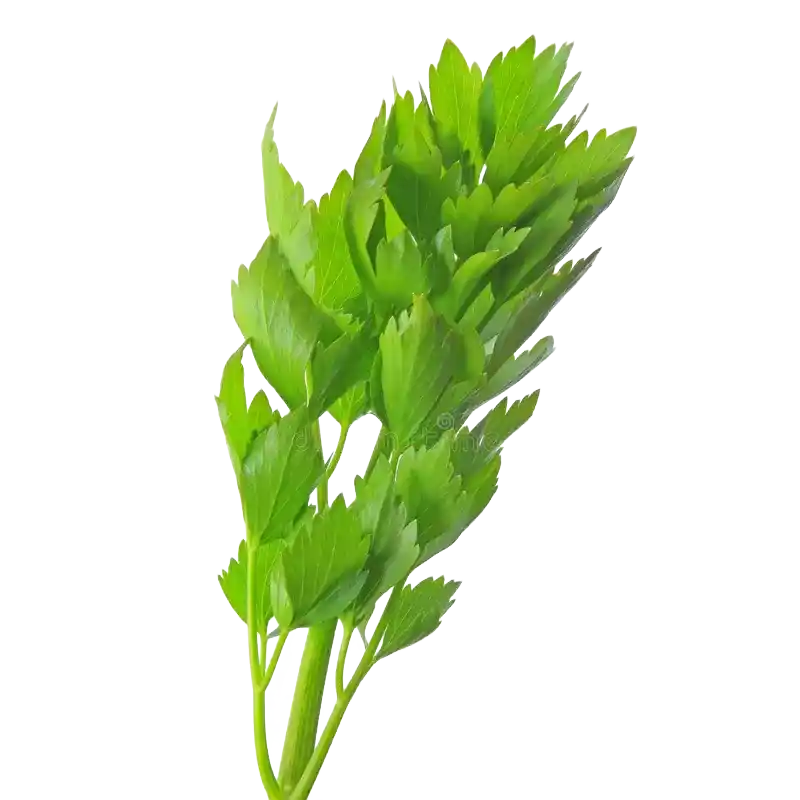
Levisticum officinale (lovage) is a tall aromatic Apiaceae herb with a strong celery-like flavour; its leaves, stems, seeds and root are all used in cooking and medicine. Traditionally, and in European (EMA) herbal monographs, lovage root is used as a diuretic for 'flushing' the urinary tract and as a warming, carminative digestive. ⚠️ It should be avoided in pregnancy and in kidney disease, and can cause photosensitivity.الكشمّ (Levisticum officinale، لوفاج) عشبة خيمية عطرية عالية بنكهةٍ قوية كالكرفس؛ أوراقها وسيقانها وبذورها وجذرها تُستعمل كلّها في الطبخ والطبّ. وتقليدياً، وفي مونوغرافات الأعشاب الأوروبية (EMA)، يُستعمل جذر الكشمّ مُدرّاً «لغسل» المجاري البولية وهاضماً مدفّئاً طارداً للريح. ⚠️ ويجب تجنّبه في الحمل ومرض الكلى، وقد يُسبّب حساسيةً للضوء.
Categoryالفئة
• Aromatic culinary & medicinal herb (Apiaceae)
• Strong celery-like flavour, whole plant used
• Diuretic & digestive (traditional/EMA)
• Carminative, antispasmodic
• ⚠️ Avoid in pregnancy & kidney disease; photosensitising• عشبة طهوية وطبّية عطرية (الفصيلة الخيمية)
• نكهة قوية كالكرفس، النبات كلّه يُستعمل
• مُدرّة وهاضمة (تقليدي/EMA)
• طاردة للريح، مضادة للتشنّج
• ⚠️ يُتجنّب في الحمل ومرض الكلى؛ مُحسِّس للضوء
Habitatالموطن
A tall perennial Apiaceae herb of gardens and cooler regions (native to the Mediterranean/Middle East, widely cultivated), with celery-scented foliage.عشبة خيمية معمّرة عالية في الحدائق والمناطق الأبرد (موطنها المتوسط/الشرق الأوسط، وتُزرَع كثيراً)، بأوراقٍ برائحة الكرفس.
Parts usedالأجزاء المستخدمة
• Root (medicinal)
• Leaves, stems & seeds (culinary)• الجذر (طبّي)
• الأوراق والسيقان والبذور (طهوي)
Key constituentsالمكوّنات الفعّالة
• Essential oil (phthalides — ligustilide)
• Furanocoumarins (photosensitising)
• Flavonoids
• Coumarins
• Aromatic volatiles• زيت طيّار (فثاليدات — ليغوستيليد)
• فورانوكومارينات (مُحسِّسة للضوء)
• فلافونويدات
• كومارينات
• طيّارات عطرية
Researchالأبحاث
Lovage root is the subject of a European Medicines Agency (EMA) herbal monograph recognising its traditional use as a diuretic to increase urine flow (for minor urinary complaints, 'flushing' therapy) and as a digestive; its phthalide-rich essential oil is antispasmodic and carminative. Evidence is largely traditional-use-based, with pharmacological support for its aromatic constituents.جذر الكشمّ موضوعُ مونوغراف أعشاب لوكالة الأدوية الأوروبية (EMA) يعترف باستعماله التقليدي مُدرّاً لزيادة تدفّق البول (للشكاوى البولية البسيطة، علاج «الغسل») وهاضماً؛ وزيته الطيّار الغنيّ بالفثاليدات مضادٌّ للتشنّج طاردٌ للريح. والأدلة تقوم على الاستعمال التقليدي غالباً، بدعمٍ دوائي لمكوّناته العطرية.
Published researchأبحاث منشورة
Traditional useالاستخدام التقليدي
Leaves and stems used like celery to flavour soups, stocks and stews; root and seed used medicinally as a diuretic to 'flush' the urinary tract, for water retention, indigestion, gas, colic and menstrual complaints, and as a warming, gently expectorant remedy for coughs.تُستعمل الأوراق والسيقان كالكرفس لتنكيه الحساء والمرق واليخنات؛ ويُستعمل الجذر والبذر طبّياً مُدرّاً «لغسل» المجاري البولية، ولاحتباس الماء وعُسر الهضم والغازات والمغص وشكاوى الطمث، وعلاجاً مدفّئاً مقشّعاً خفيفاً للسعال.
Current useالاستخدام الحالي
A culinary celery-substitute herb and a traditional diuretic/digestive (EMA-recognised root); used in teas, tinctures and cooking.عشبة طهوية بديلة للكرفس ومُدرّة/هاضمة تقليدية (جذر معترَف به من EMA)؛ تُستعمل شاياً وصبغة وطبخاً.
Preparationsالتحضيرات
• Leaves/stems (culinary)
• Root tea / decoction (diuretic)
• Seed (spice)
• Tincture• الأوراق/السيقان (طهوي)
• شاي/مغلي الجذر (مُدرّ)
• البذر (توابل)
• صبغة
Used for these conditionsيُستخدم لهذه الحالات
Adult dosageجرعة البالغين
Leaves/stems in culinary amounts; root ~1.5–3 g as tea/decoction (EMA-type) with plenty of fluids. Not for long-term high-dose use.الأوراق/السيقان بكميات الطهي؛ والجذر ~1.5–3 غ شاياً/مغلياً (نوع EMA) مع سوائل وافرة. وليس للاستعمال المطوّل عالي الجرعة.
Child dosageجرعة الأطفال
Culinary amounts of leaf are fine; medicinal root doses are not recommended for young children.كميات الأوراق الطهوية مقبولة؛ وجُرَع الجذر العلاجية غير موصى بها لصغار الأطفال.
Cautionتحذيرات
⚠️ Do NOT use medicinally in pregnancy (uterine-stimulant) or in kidney disease/impaired kidney function or active kidney inflammation (its 'flushing' diuretic action is inappropriate there). Its furanocoumarins can cause photosensitivity — avoid strong sun on skin exposed to the fresh plant/juice. Take diuretic doses with plenty of water. Those allergic to celery/Apiaceae may react.⚠️ لا يُستعمَل طبّياً في الحمل (منبّه للرحم) أو في مرض الكلى/ضعف وظيفتها أو التهابها النشط (فعمله المُدرّ «الغاسل» غير مناسب هناك). وفورانوكوماريناته قد تُسبّب حساسيةً للضوء — فتُتجنّب الشمس القوية على الجلد المُعرَّض للنبات/العصير الطازج. وتُؤخَذ الجُرَع المُدرّة مع ماءٍ وافر. ومن يتحسّس من الكرفس/الخيميات قد يتفاعل.
Pregnancy & nursingالحمل والرضاعة
⚠️ Avoid medicinal use in pregnancy — lovage is a traditional emmenagogue and may stimulate the uterus; also avoid during breastfeeding. Culinary garnish amounts of leaf are a lesser concern, but medicinal doses are contraindicated.⚠️ يُتجنَّب الاستعمال الطبّي في الحمل — فالكشمّ مُدرّ طمث تقليدي وقد يحفّز الرحم؛ ويُتجنَّب في الرضاعة أيضاً. وكميات الأوراق للزينة أقلّ قلقاً، لكنّ الجُرَع العلاجية ممنوعة.