Introductionمقدّمة
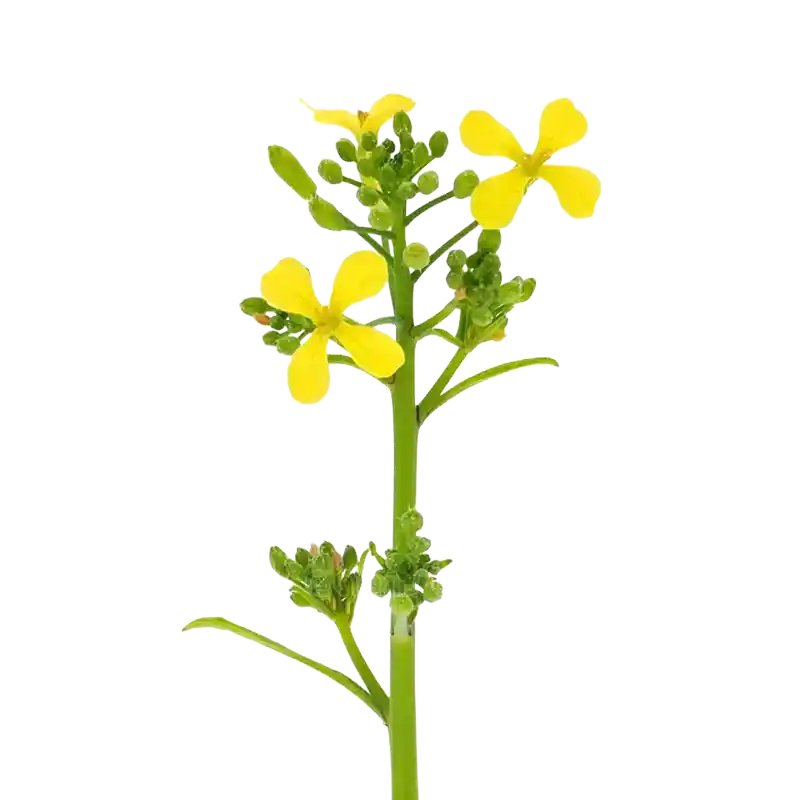
Sinapis arvensis (charlock, wild mustard) is a common yellow-flowered weed of the mustard family. Its young leaves, flower buds and seeds are edible with a peppery, mustard-like taste, and like other mustards it contains glucosinolates that release pungent 'mustard oils'. Traditionally the seeds are used, like mustard, as a warming, circulation-stimulating rubefacient poultice, and the greens as an antioxidant, vitamin-rich food.الخردل البرّي (Sinapis arvensis) عشبةٌ ضارّة شائعة صفراء الأزهار من الفصيلة الخردلية. وأوراقه الفتية وبراعمه وبذوره صالحة للأكل بطعمٍ لاذع كالخردل، وكسائر أنواع الخردل يحتوي غليكوسينولات تُطلِق «زيوت الخردل» الحرّيفة. وتقليدياً تُستعمل البذور، كالخردل، لبخةً مدفّئة مُحمِّرة منشّطة للدورة، والخضار غذاءً مضاداً للأكسدة غنياً بالفيتامينات.
Categoryالفئة
• Mustard family (Brassicaceae)
• Edible peppery leaves, buds & seeds
• Pungent glucosinolate/mustard-oil plant
• Warming, rubefacient (like mustard)
• Antioxidant leafy green (studied)• الفصيلة الصليبية (الخردلية)
• أوراق وبراعم وبذور لاذعة صالحة للأكل
• نبات غليكوسينولات/زيت خردل حرّيف
• مدفّئ، مُحمِّر للجلد (كالخردل)
• خضار ورقية مضادة للأكسدة (مدروسة)
Habitatالموطن
An annual weed of arable fields, roadsides and waste ground across Europe, Asia and North Africa; widely naturalised.عشبة حولية ضارّة في الحقول الزراعية وحواف الطرق والأرض البور عبر أوروبا وآسيا وشمال أفريقيا؛ متوطّنة على نطاق واسع.
Parts usedالأجزاء المستخدمة
• Young leaves & flower buds (food)
• Seeds (mustard-type)• الأوراق والبراعم الفتية (غذاء)
• البذور (نوع الخردل)
Key constituentsالمكوّنات الفعّالة
• Glucosinolates (e.g. sinalbin/sinigrin-type)
• Mustard oils (isothiocyanates) on crushing
• Vitamin C & carotenoids (leaves)
• Flavonoids
• Fixed oil (seed)• غليكوسينولات (نوع سينالبين/سينيغرين)
• زيوت خردل (إيزوثيوسيانات) عند السحق
• فيتامين C وكاروتينويدات (الأوراق)
• فلافونويدات
• زيت ثابت (البذور)
Researchالأبحاث
Sinapis arvensis is documented as an edible wild green and a glucosinolate-containing mustard, whose leaves are a source of antioxidants, vitamin C and carotenoids. The pungent mustard oils (isothiocyanates) released on crushing underlie its warming, rubefacient traditional use, mirroring cultivated mustard; specific clinical trials are limited and evidence is mainly nutritional/phytochemical.الخردل البرّي موثّقٌ خضاراً برّية صالحة للأكل وخردلاً حاوياً للغليكوسينولات، وأوراقه مصدرٌ لمضادات الأكسدة وفيتامين C والكاروتينويدات. وزيوت الخردل الحرّيفة (الإيزوثيوسيانات) المُطلَقة عند السحق تفسّر استعماله المدفّئ المُحمِّر التقليدي، محاكيةً الخردل المزروع؛ والتجارب السريرية المحدّدة محدودة والأدلة غذائية-كيميائية أساساً.
Published researchأبحاث منشورة
Traditional useالاستخدام التقليدي
Young leaves and flower buds eaten cooked as a peppery green; seeds ground and used, like mustard, as a warming poultice/plaster on the chest or joints to draw blood and ease congestion and aches; used as a digestive, appetite-stimulating condiment.تُؤكَل الأوراق والبراعم الفتية مطبوخة خضاراً لاذعة؛ وتُطحَن البذور وتُستعمل، كالخردل، لبخةً/لصقة مدفّئة على الصدر أو المفاصل لجذب الدم وتخفيف الاحتقان والأوجاع؛ وتُستعمل توابل هاضمة فاتحة للشهية.
Current useالاستخدام الحالي
A wild edible mustard green and a mustard-type warming poultice plant; mainly food/folk use.خضار خردل برّية صالحة للأكل ونبات لبخة مدفّئة من نوع الخردل؛ استعمال غذائي/شعبي أساساً.
Preparationsالتحضيرات
• Cooked young greens
• Seed poultice/plaster (external)
• Culinary condiment• خضار فتية مطبوخة
• لبخة/لصقة البذور (خارجية)
• توابل طهوية
Used for these conditionsيُستخدم لهذه الحالات
Adult dosageجرعة البالغين
Young greens cooked as food; seed poultice applied briefly and externally (remove before skin burns); as a condiment in culinary amounts.الخضار الفتية مطبوخة غذاءً؛ لبخة البذور تُوضَع خارجياً لوقتٍ قصير (تُزال قبل حرق الجلد)؛ وتوابل بكميات الطهي.
Child dosageجرعة الأطفال
Cooked greens as food; do not apply strong mustard-seed plasters to children's skin.الخضار المطبوخة غذاءً؛ ولا تُوضَع لصقات بذور الخردل القوية على جلد الأطفال.
Cautionتحذيرات
The pungent mustard oils are skin-irritant: seed poultices/plasters can blister the skin if left on too long, so apply briefly and protect the skin. Large amounts of raw seed can irritate the gut; eaten in bulk by livestock the plant can be problematic. Keep greens to normal food amounts.زيوت الخردل الحرّيفة مهيّجة للجلد: فلبخات/لصقات البذور قد تُبثّر الجلد إن تُرِكت طويلاً، فتُوضَع لوقتٍ قصير ويُحمى الجلد. والكميات الكبيرة من البذور النيئة قد تهيّج الأمعاء؛ وأكلها بكثرة من الماشية قد يكون إشكالياً. وتُبقى الخضار بكميات الطعام العادية.
Pregnancy & nursingالحمل والرضاعة
Culinary amounts of the greens are fine; avoid strong medicinal seed doses in pregnancy.كميات الطهي من الخضار مقبولة؛ تُتجنّب جرعات البذور العلاجية القوية في الحمل.