
Introductionمقدّمة
Prunus padus (bird cherry, hackberry) is a small cherry tree bearing bitter black fruit. Like wild cherry (Prunus serotina), its bark has a traditional sedative/antitussive reputation and its fruit is a tart, antioxidant-rich food when cooked. IMPORTANT: the bark, leaves and seeds/kernels contain cyanogenic glycosides (they release cyanide), so the raw kernels are toxic and only the cooked fruit flesh is eaten.الكرز الطائر (Prunus padus) شجرة كرزٍ صغيرة تحمل ثمراً أسود مُرّاً. وكالكرز البرّي (Prunus serotina)، للحائه سُمعةٌ مهدّئة/مسكّنة للسعال تقليدية وثمره غذاءٌ حامض غنيّ بمضادات الأكسدة عند طبخه. مهمّ: اللحاء والأوراق والبذور/النوى تحوي غليكوزيدات سياتوجينية (تُطلِق السيانيد)، فالنوى النيّئة سامّة ولا يُؤكَل إلا لبّ الثمر المطبوخ.
Categoryالفئة
• Cherry tree (Rosaceae)
• Astringent bark & antioxidant fruit
• Traditional sedative/antitussive (bark — like wild cherry)
• ⚠️ Cyanogenic (bark, leaves, seeds) — toxic
• Cooked fruit edible; kernels/seeds NOT• شجرة كرز (الفصيلة الوردية)
• لحاءٌ قابض وثمرٌ مضاد للأكسدة
• مهدّئ/مسكّن سعالٍ تقليدي (اللحاء — كالكرز البرّي)
• ⚠️ سياتوجينية (اللحاء، الأوراق، البذور) — سامّة
• الثمر المطبوخ صالح؛ النوى/البذور لا
Habitatالموطن
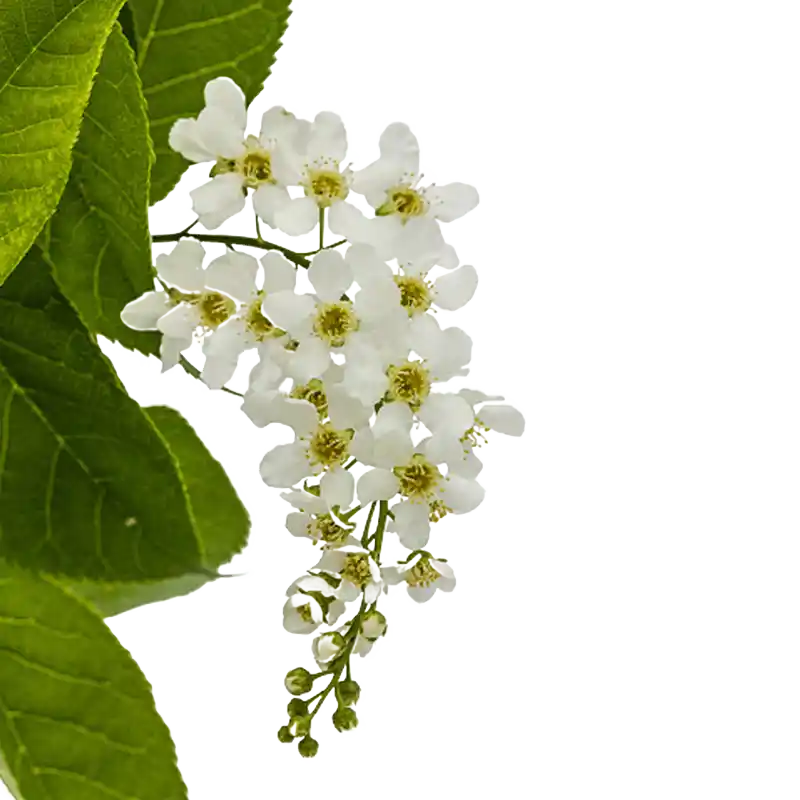
A small deciduous tree with drooping racemes of white flowers and small black cherries, of damp woodland, riverbanks and hills across Europe and northern Asia.شجرة نفضية صغيرة بعناقيد أزهارٍ بيضاء متدلّية وكرزٍ أسود صغير، في الغابات الرطبة وضفاف الأنهار والتلال عبر أوروبا وشمال آسيا.
Parts usedالأجزاء المستخدمة
• Bark (astringent/sedative — with caution)
• Fruit (cooked, edible)
• (Seeds/kernels: toxic — not used)• اللحاء (قابض/مهدّئ — بحذر)
• الثمر (مطبوخ، صالح)
• (البذور/النوى: سامّة — لا تُستعمَل)
Key constituentsالمكوّنات الفعّالة
• Cyanogenic glycosides (prunasin/amygdalin — bark, leaf, seed)
• Tannins (bark)
• Anthocyanins & flavonoids (fruit)
• Phenolic acids
• Vitamin C (fruit)• غليكوزيدات سياتوجينية (بروناسين/أميغدالين — اللحاء والورق والبذرة)
• تانينات (اللحاء)
• أنثوسيانينات وفلافونويدات (الثمر)
• أحماض فينولية
• فيتامين C (الثمر)
Researchالأبحاث
Prunus padus fruit is documented as an antioxidant, anthocyanin-rich food, and its bark (like wild-cherry bark) contains tannins and cyanogenic glycosides underlying a traditional astringent and sedative/cough use. However, the cyanogenic content of bark, leaves and seeds means these parts are toxic in quantity (cyanide release). So the cooked fruit is a healthful food, but the plant is also a recognised cyanogenic poison. Evidence is preclinical/toxicological.ثمر الكرز الطائر موثّقٌ غذاءً مضاداً للأكسدة غنياً بالأنثوسيانين، ولحاؤه (كلحاء الكرز البرّي) يحوي تانينات وغليكوزيدات سياتوجينية وراء استعمالٍ تقليدي قابض ومهدّئ/للسعال. غير أنّ المحتوى السياتوجيني للحاء والأوراق والبذور يجعل هذه الأجزاء سامّة بالكمية (إطلاق سيانيد). فالثمر المطبوخ غذاءٌ صحّي، لكنّ النبتة أيضاً سُمٌّ سياتوجيني معترَف به. والأدلة قبل سريرية/سُميّة.
Published researchأبحاث منشورة
Traditional useالاستخدام التقليدي
Cooked fruit made into juice, jams, preserves and drinks as a tart antioxidant food; the bark used (like wild-cherry bark) as an astringent and a sedative cough remedy for irritable coughs, and traditionally for fevers and the digestion; the raw kernels and green parts were avoided as poisonous.يُصنَع الثمر المطبوخ عصيراً ومربّى ومحفوظاتٍ وشراباً غذاءً حامضاً مضاداً للأكسدة؛ ويُستعمل اللحاء (كلحاء الكرز البرّي) قابضاً ومهدّئاً وعلاجاً للسعال المهيّج وتقليدياً للحمّيات والهضم؛ وتُجنَّب النوى النيّئة والأجزاء الخضراء لسميّتها.
Current useالاستخدام الحالي
Cooked fruit used as an antioxidant food (juice/jam); bark occasionally as an astringent/cough remedy; noted for cyanogenic toxicity of bark/leaf/seed.يُستعمل الثمر المطبوخ غذاءً مضاداً للأكسدة (عصير/مربّى)؛ واللحاء أحياناً قابضاً/للسعال؛ ويُذكَر للسميّة السياتوجينية للحاء/الورق/البذرة.
Preparationsالتحضيرات
• Cooked fruit (juice/jam/preserve)
• Bark preparation (astringent/cough — guided)
• (Kernels/seeds: toxic — not used)• ثمر مطبوخ (عصير/مربّى/محفوظ)
• مستحضر اللحاء (قابض/للسعال — مُوجَّه)
• (النوى/البذور: سامّة — لا تُستعمَل)
Used for these conditionsيُستخدم لهذه الحالات
Adult dosageجرعة البالغين
Cooked fruit as food; bark preparations only in small, guided traditional amounts; never eat raw kernels/seeds; per knowledgeable practice.الثمر المطبوخ غذاءً؛ ومستحضرات اللحاء بمقادير تقليدية صغيرة مُوجَّهة فقط؛ ولا تُؤكَل النوى/البذور نيّئة أبداً؛ بحسب ممارسةٍ خبيرة.
Child dosageجرعة الأطفال
Cooked fruit food is fine; ⚠️ keep raw kernels/seeds and bark away from children (cyanide risk).غذاء الثمر المطبوخ مقبول؛ ⚠️ وتُبعَد النوى/البذور النيّئة واللحاء عن الأطفال (خطر السيانيد).
Cautionتحذيرات
⚠️ Cyanogenic. The bark, leaves and especially the seeds/kernels release cyanide and are toxic — never eat the raw kernels or green parts, and use bark only in small, knowledgeable amounts. Cooking the fruit flesh destroys the risk, so cooked fruit (juice/jam) is a safe, healthful food. Keep raw kernels and bark away from children.⚠️ سياتوجيني. اللحاء والأوراق وخاصةً البذور/النوى تُطلِق السيانيد وسامّة — فلا تُؤكَل النوى النيّئة أو الأجزاء الخضراء أبداً، ويُستعمَل اللحاء بمقادير صغيرة خبيرة فقط. وطبخ لبّ الثمر يُتلِف الخطر، فالثمر المطبوخ (عصير/مربّى) غذاءٌ آمن صحّي. وتُبعَد النوى النيّئة واللحاء عن الأطفال.
Pregnancy & nursingالحمل والرضاعة
Avoid bark/medicinal use in pregnancy — cyanogenic; cooked fruit in food amounts only.يُتجنَّب اللحاء/الاستعمال الطبي في الحمل — سياتوجيني؛ والثمر المطبوخ بكميات الغذاء فقط.