Introductionمقدّمة
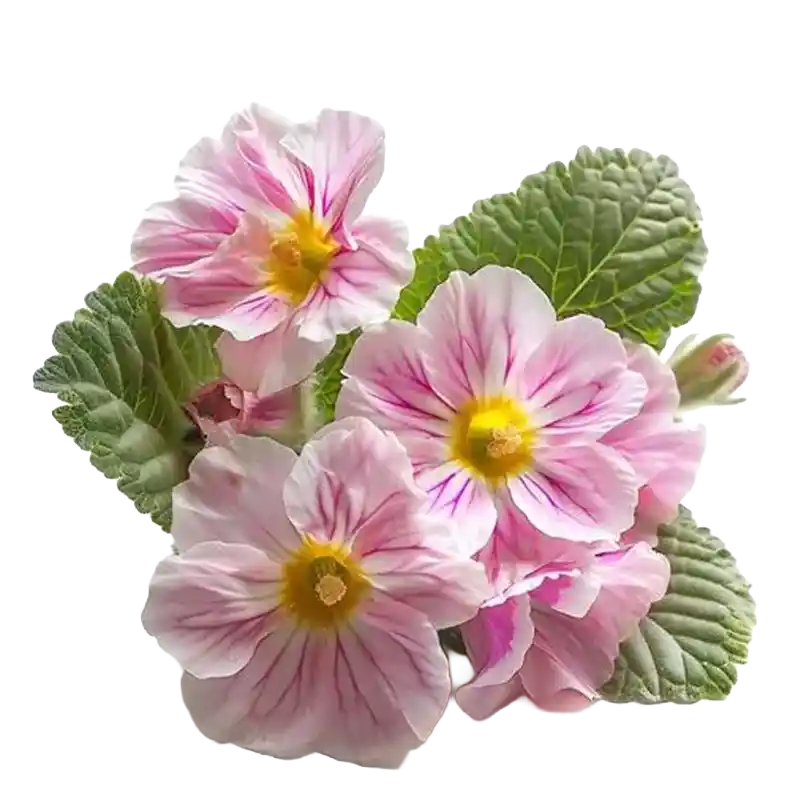
Primula vulgaris (primrose) is the pale-yellow woodland spring flower, close relative of cowslip and oxlip. Its saponin-rich root is an expectorant for coughs, and its flowers and leaves are a gentle sedative and mild pain-easing remedy for headaches, nervous tension and insomnia, with anti-inflammatory and antioxidant activity; the flowers and young leaves are edible.زهرة الربيع (Primula vulgaris) زهرة الربيع الغابية الصفراء الباهتة، قريبةٌ للكاوسليب والأوكسليب. وجذرها الغنيّ بالصابونين طاردٌ للبلغم للسعال، وأزهارها وأوراقها مهدّئ خفيف ومسكّن خفيف للصداع والتوتّر العصبي والأرق، بنشاطٍ مضاد للالتهاب والأكسدة؛ والأزهار والأوراق الغضّة صالحة للأكل.
Categoryالفئة
• Primrose-family herb (Primulaceae)
• Expectorant (root saponins — cough)
• Mild sedative & analgesic (flowers/leaves)
• Anti-inflammatory & antioxidant (studied)
• Edible flowers & leaves• عشبة من فصيلة الربيع (فصيلة الربيع)
• طاردة للبلغم (صابونينات الجذر — سعال)
• مهدّئة خفيفة ومسكّنة (الأزهار/الأوراق)
• مضادّة للالتهاب والأكسدة (مدروسة)
• أزهار وأوراق صالحة للأكل
Habitatالموطن
A low rosette perennial with solitary pale-yellow flowers, of woodland, banks, hedgerows and shady grassland across Europe and western Asia.عشبةٌ معمّرة منخفضة مكوّنة ورداتٍ بأزهارٍ صفراء باهتة منفردة، في الغابات والضفاف والأسيجة والمروج الظليلة عبر أوروبا وغرب آسيا.
Parts usedالأجزاء المستخدمة
• Root/rhizome (expectorant)
• Flowers & leaves• الجذر/الجذمور (طارد للبلغم)
• الأزهار والأوراق
Key constituentsالمكوّنات الفعّالة
• Triterpene saponins (root)
• Flavonoids
• Phenolic glycosides (primulaverin)
• Phenolic acids
• Vitamin C (leaves)• صابونينات تريتربينية (الجذر)
• فلافونويدات
• غليكوزيدات فينولية (بريمولافيرين)
• أحماض فينولية
• فيتامين C (الأوراق)
Researchالأبحاث
Primula vulgaris is documented (a phenolic-characterisation study confirms antioxidant and antigenotoxic activity) alongside the Primula genus, whose saponin-rich roots are recognised expectorants and whose extracts show anti-inflammatory and antioxidant activity. This supports its traditional expectorant, sedative and mild-analgesic use. Evidence is preclinical, supported by the wider Primula (cowslip/oxlip) evidence base.زهرة الربيع موثّقة (تؤكّد دراسةُ توصيفٍ فينولي نشاطها المضاد للأكسدة والمضاد للطفرات الجينية) إلى جانب جنس البريمولا، الذي جذوره الغنية بالصابونين طاردة للبلغم معترَف بها ومستخلصاته تُظهر نشاطاً مضاداً للالتهاب والأكسدة. وهذا يدعم استعمالها التقليدي الطارد للبلغم والمهدّئ والمسكّن الخفيف. والأدلة قبل سريرية، بدعم قاعدة أدلّة البريمولا الأوسع (الكاوسليب/الأوكسليب).
Published researchأبحاث منشورة
Traditional useالاستخدام التقليدي
Root used as an expectorant for coughs, bronchitis and catarrh; flowers and leaves as a gentle sedative and mild pain reliever for headaches, migraine, nervous tension, insomnia and 'nerves', as a mild diaphoretic for colds, and traditionally for joint and rheumatic pain; the flowers and young leaves are eaten in salads and made into wine.يُستعمل الجذر طارداً للبلغم للسعال والتهاب القصبات والنزلة؛ والأزهار والأوراق مهدّئاً خفيفاً ومسكّناً خفيفاً للصداع والشقيقة والتوتّر العصبي والأرق و«الأعصاب» ومُعرّقاً خفيفاً للزكام وتقليدياً لألم المفاصل والروماتزم؛ وتُؤكَل الأزهار والأوراق الغضّة في السلطات ويُصنَع منها نبيذ.
Current useالاستخدام الحالي
Used as an expectorant (root) and gentle sedative (flower) herb and an edible spring flower; studied for antioxidant and anti-inflammatory activity.تُستعمل عشبةً طاردة للبلغم (الجذر) ومهدّئة لطيفة (الأزهار) وزهرة ربيعٍ صالحة للأكل؛ وتُدرَس لنشاطها المضاد للأكسدة والالتهاب.
Preparationsالتحضيرات
• Root decoction/tincture (cough)
• Flower/leaf infusion (calming tea)
• Edible flowers/leaves (salad/wine)
• Diaphoretic cold tea• مغليّ/صبغة الجذر (للسعال)
• نقيع الأزهار/الأوراق (شاي مُهدّئ)
• أزهار/أوراق صالحة (سلطة/نبيذ)
• شاي مُعرّق للزكام
Used for these conditionsيُستخدم لهذه الحالات
Adult dosageجرعة البالغين
Root decoction/tincture in traditional amounts for cough; flower/leaf infusion 1–2 g as a calming tea; flowers/leaves as food; per traditional practice.مغليّ/صبغة الجذر بكميات تقليدية للسعال؛ نقيع الأزهار/الأوراق 1–2 غ شاياً مُهدّئاً؛ الأزهار/الأوراق غذاءً؛ بحسب الممارسة التقليدية.
Child dosageجرعة الأطفال
A weak flower tea for older children's restlessness; edible flowers are fine; root cough doses with guidance.شاي أزهارٍ خفيف لأرق الأطفال الأكبر؛ والأزهار الصالحة مقبولة؛ وجُرَع الجذر للسعال بإرشاد.
Cautionتحذيرات
The saponin-rich root can irritate the stomach in large doses, so keep to expectorant amounts. Some people are allergic to primula and may develop contact dermatitis from handling the plant (primin). Avoid the concentrated root in pregnancy; flowers and young leaves are a safe edible in moderation.الجذر الغنيّ بالصابونين قد يهيّج المعدة بالجُرَع الكبيرة، فيُلتزَم بكميات طرد البلغم. وبعض الناس حسّاسون للبريمولا وقد يُصابون بالتهاب جلدٍ تلامسي من ملامسة النبتة (بريمين). ويُتجنَّب الجذر المركّز في الحمل؛ والأزهار والأوراق الغضّة صالحة آمنة باعتدال.
Pregnancy & nursingالحمل والرضاعة
Avoid the concentrated saponin-rich root in pregnancy; flower/leaf tea and food amounts are gentler but best used modestly.يُتجنَّب الجذر المركّز الغنيّ بالصابونين في الحمل؛ وشاي الأزهار/الأوراق وكميات الغذاء ألطف لكنّ الأفضل استعمالها باعتدال.