
Introductionمقدّمة
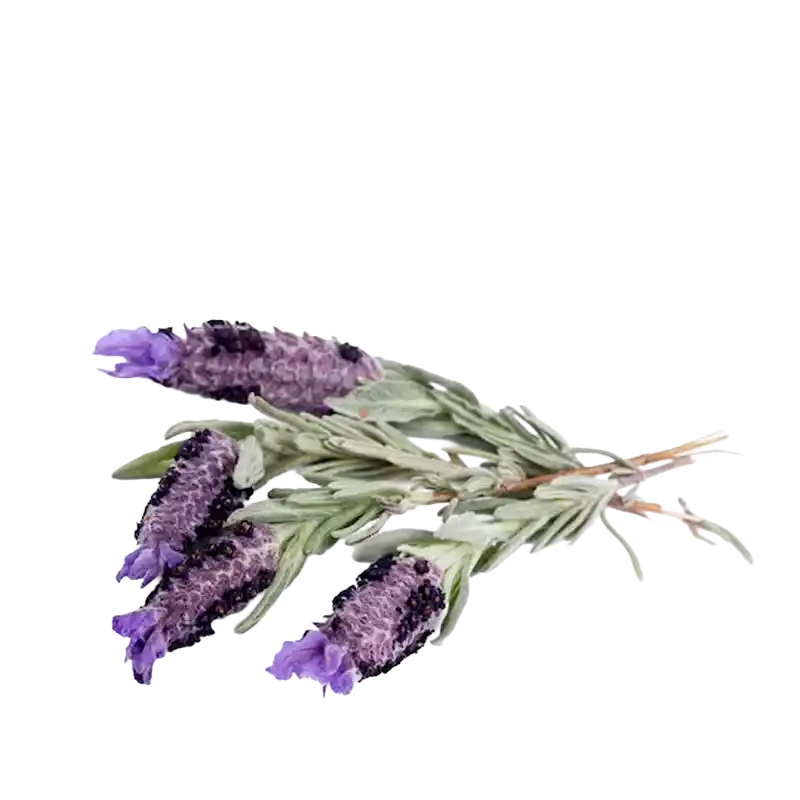
Lavandula stoechas (French/Spanish lavender, 'stoechas', Arabic ustukhuddus) is the topknot-flowered Mediterranean lavender, a classic herb of Arab/Unani and European medicine. Its aromatic oil and flowers are antimicrobial, antioxidant, anti-inflammatory, antispasmodic and calming, used for coughs, digestion, headaches, nerves and low mood, and topically as a wound and skin antiseptic.الخزامى الفرنسية (Lavandula stoechas، الأسطوخودوس/الضَّرم) خزامى متوسّطية بأزهارٍ ذات خُصلة، عشبةٌ كلاسيكية في الطبّ العربي/اليوناني والأوروبي. وزيتها العطر وأزهارها مضادّة للميكروبات والأكسدة والالتهاب ومضادّة للتقلّص ومُهدّئة، تُستعمل للسعال والهضم والصداع والأعصاب وتدنّي المزاج، وموضعياً مطهّراً للجروح والجلد.
Categoryالفئة
• Aromatic lavender (Lamiaceae)
• Antimicrobial & antifungal (essential oil)
• Antioxidant & anti-inflammatory
• Digestive, antispasmodic & calming
• Wound & skin antiseptic (topical)• خزامى عطرية (الفصيلة الشفوية)
• مضادّة للميكروبات والفطريات (زيت طيّار)
• مضادّة للأكسدة والالتهاب
• هاضمة ومضادّة للتقلّص ومُهدّئة
• مطهّر للجروح والجلد (موضعي)
Habitatالموطن
A shrubby aromatic lavender with distinctive tufted 'rabbit-ear' flower bracts, of dry, sunny, acid Mediterranean hillsides and scrub.خزامى عطرية شُجَيرية بقنابات زهرٍ مُخصَّلة مميّزة كـ«أذني الأرنب»، في التلال والأدغال المتوسّطية الجافة المشمسة الحمضية.
Parts usedالأجزاء المستخدمة
• Flowering tops (flowers & oil)
• Leaves• القمم المزهرة (الأزهار والزيت)
• الأوراق
Key constituentsالمكوّنات الفعّالة
• Essential oil (fenchone, camphor, 1,8-cineole)
• Flavonoids
• Rosmarinic acid & phenolics
• Tannins
• Coumarins• زيت طيّار (فينشون، كافور، 1،8-سينيول)
• فلافونويدات
• حمض الروزمارينيك وفينولات
• تانينات
• كومارينات
Researchالأبحاث
Lavandula stoechas is well studied: its essential oil has documented antimicrobial and antifungal activity, and phytopharmacological reviews summarise antioxidant, anti-inflammatory, antispasmodic, neuroprotective and calming effects, alongside toxicological data. This supports its long Arab/Unani and Mediterranean use as a digestive, calming and antiseptic herb. The oil is camphor/fenchone-rich, so dosing matters. Evidence is largely preclinical.الخزامى الفرنسية مدروسة جيداً: لزيتها الطيّار نشاطٌ موثّق مضاد للميكروبات والفطريات، وتلخّص المراجعات الدوائية النباتية آثاراً مضادة للأكسدة والالتهاب والتقلّص وواقية للأعصاب ومُهدّئة، مع بياناتٍ سُميّة. وهذا يدعم استعمالها العربي/اليوناني والمتوسّطي الطويل هاضمةً ومُهدّئة ومطهّرة. والزيت غنيٌّ بالكافور/الفينشون، فتهمّ الجرعة. والأدلة قبل سريرية غالباً.
Published researchأبحاث منشورة
Traditional useالاستخدام التقليدي
A classic Arab/Unani (ustukhuddus/ḍarm) and Mediterranean herb: used as a tea and oil for coughs, colds and chest complaints, for indigestion, wind and colic, for headaches, migraine, nervousness, low mood and insomnia (a 'brain and nerve' tonic in Unani), for the joints, and topically as an antiseptic on wounds, sores and skin, and as an insect repellent.عشبةٌ عربية/يونانية (أسطوخودوس/ضَرم) ومتوسّطية كلاسيكية: تُستعمل شاياً وزيتاً للسعال والزكام وشكاوى الصدر ولعسر الهضم والريح والمغص وللصداع والشقيقة والعصبية وتدنّي المزاج والأرق (مقوٍّ «للدماغ والأعصاب» في اليوناني) وللمفاصل وموضعياً مطهّراً على الجروح والقروح والجلد وطارداً للحشرات.
Current useالاستخدام الحالي
Used as a calming/digestive/antiseptic herbal tea and essential oil; well studied for antimicrobial and calming activity.تُستعمل شاياً عشبياً مُهدّئاً/هاضماً/مطهّراً وزيتاً طيّاراً؛ ومدروسةٌ جيداً لنشاطها المضاد للميكروبات والمُهدّئ.
Preparationsالتحضيرات
• Flower infusion (tea)
• Essential oil (diluted, topical/aromatic)
• Steam inhalation
• Antiseptic wash/oil• نقيع الأزهار (شاي)
• زيت طيّار (مخفّف، موضعي/عطري)
• استنشاق البخار
• غسول/زيت مطهّر
Used for these conditionsيُستخدم لهذه الحالات
☾ Prophetic reference☾ إشارة نبوية
Lavandula stoechas is the ustukhuddus (أُسْطُوخُودُوس) / ḍarm (الضَّرْم) of classical Arab and Unani medicine and is discussed in the works of Ibn Sīnā, al-Rāzī and in Prophetic-medicine (Ṭibb Nabawī) literature as a warming herb valued especially as a 'broom of the brain' — a cleanser and tonic for the head, nerves and mood. It is a well-established heritage medicinal of the Arab-Islamic tradition (rather than resting on a specific prophetic ḥadīth).الخزامى الفرنسية هي الأُسْطُوخُودُوس/الضَّرْم في الطبّ العربي واليوناني الكلاسيكي، وتُبحَث في مصنّفات ابن سينا والرازي وفي أدب الطبّ النبوي عشبةً مُدفئة تُقدَّر خاصةً «مِكنسة الدماغ» — مُنقّياً ومقوّياً للرأس والأعصاب والمزاج. وهي دواءٌ تراثي ثابت في التقليد العربي-الإسلامي (لا يستند إلى حديثٍ نبوي بعينه).
Adult dosageجرعة البالغين
Flower infusion 1–2 g in hot water 2–3× daily; essential oil diluted for topical/aromatic use; do not swallow the neat oil.نقيع الأزهار 1–2 غ في ماءٍ حارّ 2–3 مرات يومياً؛ الزيت الطيّار مخفّفاً للاستعمال الموضعي/العطري؛ ولا يُبلَع الزيت الصرف.
Child dosageجرعة الأطفال
A weak tea for older children; do not use the camphor-rich oil near infants' faces (breathing risk).شايٌ خفيف للأطفال الأكبر؛ ولا يُستعمَل الزيت الغنيّ بالكافور قرب وجوه الرُّضّع (خطر التنفّس).
Cautionتحذيرات
The tea is gentle and pleasant. The essential oil is camphor/fenchone-rich and can be neurotoxic/convulsant in large internal doses — never swallow the neat oil, keep it well-diluted for skin, and keep camphor-type oils away from the faces of babies and young children. Use cautiously with sedative medicines. Patch-test on sensitive skin.الشاي لطيفٌ مستساغ. والزيت الطيّار غنيٌّ بالكافور/الفينشون وقد يكون سامّاً للأعصاب/مُحدِثاً للتشنّج بجُرَعٍ داخلية كبيرة — فلا يُبلَع الزيت الصرف أبداً، ويُبقى مخفّفاً جيداً للجلد، وتُبعَد الزيوت الكافورية عن وجوه الرُّضّع وصغار الأطفال. ويُستعمل بحذر مع أدوية التهدئة. ويُختبَر على رقعةٍ للجلد الحسّاس.
Pregnancy & nursingالحمل والرضاعة
Tea/aromatic use is generally gentle; avoid the camphor/fenchone-rich concentrated oil internally in pregnancy and use topically only well-diluted.استعمال الشاي/العطري لطيفٌ عموماً؛ ويُتجنَّب الزيت المركّز الغنيّ بالكافور/الفينشون داخلياً في الحمل ويُستعمل موضعياً مخفّفاً جيداً فقط.


