Introductionمقدّمة
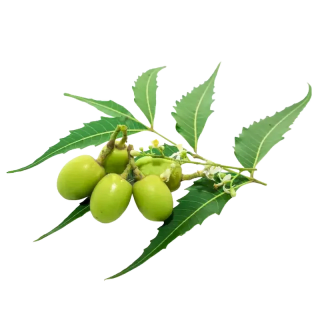
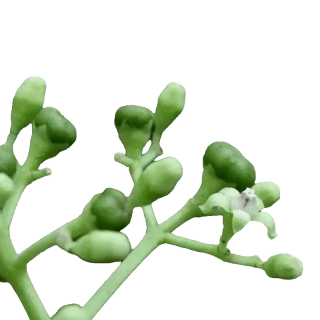
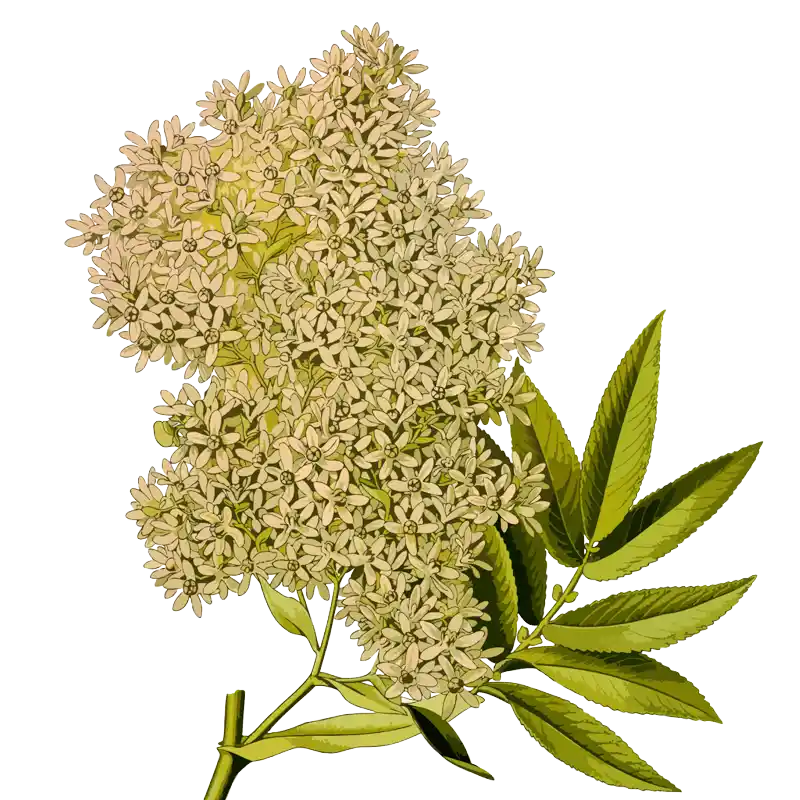
Hagenia abyssinica (kosso, African redwood) is an Ethiopian highland tree whose female flowers are a famous traditional taeniacide (tapeworm expeller), used for centuries in Ethiopia. It also shows antimicrobial, antioxidant and anti-inflammatory activity — but its active kosotoxin/protokosin constituents are potent and potentially toxic, so it must be used carefully.الكوسو (Hagenia abyssinica، الخشب الأحمر الإفريقي) شجرة مرتفعات إثيوبية أزهارها الأنثوية قاتل شريطياتٍ تقليدي شهير (طاردٌ للدودة الشريطية)، استُعمِل قروناً في إثيوبيا. وتُظهر أيضاً نشاطاً مضاداً للميكروبات والأكسدة والالتهاب — لكنّ مركّباتها الفعّالة (كوسوتوكسين/بروتوكوسين) قويّة وسامّة محتملاً، فيجب استعمالها بحذر.
Categoryالفئة
• Ethiopian anthelmintic tree (Rosaceae)
• Traditional tapeworm remedy (taeniacide)
• Antimicrobial & antioxidant
• Anti-inflammatory (studied)
• CAUTION: potentially toxic — kosotoxin• شجرة طاردة للديدان إثيوبية (الفصيلة الوردية)
• علاجٌ تقليدي للدودة الشريطية (قاتل شريطيات)
• مضادّة للميكروبات والأكسدة
• مضادّة للالتهاب (مدروسة)
• تنبيه: سامّة محتملاً — كوسوتوكسين
Habitatالموطن
A handsome tree of the Ethiopian and East African highland forests (2,400–3,300 m), also in the mountains of the Rift.شجرة جميلة في غابات المرتفعات الإثيوبية وشرق إفريقيا (2400–3300 م)، وفي جبال الأخدود أيضاً.
Parts usedالأجزاء المستخدمة
• Female flowers (main)
• Bark & leaves• الأزهار الأنثوية (رئيسي)
• اللحاء والأوراق
Key constituentsالمكوّنات الفعّالة
• Phloroglucinols (kosotoxin, protokosin, kosin)
• Flavonoids
• Tannins
• Essential oil
• Phenolic acids• فلوروغلوسينولات (كوسوتوكسين، بروتوكوسين، كوسين)
• فلافونويدات
• تانينات
• زيت طيّار
• أحماض فينولية
Researchالأبحاث
Hagenia abyssinica is a classic anthelmintic: studies characterise its phloroglucinol constituents (kosotoxin, protokosin) and confirm anthelmintic (tapeworm-expelling) activity, and reviews document antimicrobial, antioxidant, anti-inflammatory and antimalarial activity together with its ethnomedicine and toxicity. It is effective but potentially toxic (its constituents can affect the eyes/nervous system in overdose), so dosing and caution matter.الكوسو قاتل ديدانٍ كلاسيكي: تصف الدراسات مركّباته الفلوروغلوسينولية (كوسوتوكسين، بروتوكوسين) وتؤكّد نشاطه الطارد للديدان (طرد الدودة الشريطية)، وتوثّق المراجعات نشاطاً مضاداً للميكروبات والأكسدة والالتهاب والملاريا مع طبّه الشعبي وسميّته. وهو فعّال لكن سامّ محتملاً (قد تؤثّر مركّباته في العين/الجهاز العصبي عند الجرعة المفرطة)، فتهمّ الجرعة والحذر.
Published researchأبحاث منشورة
Traditional useالاستخدام التقليدي
Used for centuries in Ethiopia and East Africa chiefly as a tapeworm remedy (a flower infusion taken to expel tapeworms), and also for other worms, for diarrhoea, for wounds and skin problems, and as a general 'cleanse'; a deeply-rooted traditional medicine.استُعمِل قروناً في إثيوبيا وشرق إفريقيا أساساً علاجاً للدودة الشريطية (نقيع أزهارٍ يُؤخَذ لطرد الشريطيات)، ولديدانٍ أخرى وللإسهال وللجروح ومشكلات الجلد و«تنقيةً» عامة؛ دواءٌ تقليدي عميق الجذور.
Current useالاستخدام الحالي
Still used traditionally as a tapeworm remedy in Ethiopia; studied for anthelmintic, antimicrobial and anti-inflammatory activity.لا يزال يُستعمل تقليدياً علاجاً للدودة الشريطية في إثيوبيا؛ ويُدرَس لنشاطه الطارد للديدان والمضاد للميكروبات والالتهاب.
Preparationsالتحضيرات
• Female-flower infusion (taeniacide — guided)
• Bark/leaf preparation
• Topical use (skin)• نقيع الأزهار الأنثوية (قاتل شريطيات — مُوجَّه)
• مستحضر اللحاء/الورق
• استعمال موضعي (للجلد)
Used for these conditionsيُستخدم لهذه الحالات
Adult dosageجرعة البالغين
Traditionally a measured flower infusion taken as a single taeniacide dose under experienced guidance — NOT for casual or repeated self-dosing.تقليدياً نقيع أزهارٍ بمقدارٍ يُؤخَذ جرعةً واحدة قاتلةً للشريطيات تحت إرشادٍ خبير — لا لجُرَعٍ ذاتية عابرة أو متكرّرة.
Child dosageجرعة الأطفال
Only under medical/experienced supervision because of toxicity; not for casual use in children.فقط تحت إشرافٍ طبي/خبير بسبب السميّة؛ لا للاستعمال العابر عند الأطفال.
Cautionتحذيرات
Potentially toxic — respect it. Overdose of kosso can cause vomiting, diarrhoea, and effects on vision and the nervous system. Use only as a single, correctly-measured deworming dose under experienced guidance, never repeatedly or casually. Avoid entirely in pregnancy and in the frail, and seek modern deworming treatment where available.سامٌّ محتملاً — فليُحترَم. والجرعة المفرطة من الكوسو قد تسبّب قيئاً وإسهالاً وآثاراً في البصر والجهاز العصبي. ويُستعمل جرعةً واحدة فقط مضبوطةً بدقّة لطرد الديدان تحت إرشادٍ خبير، لا متكرّراً أو عابراً. ويُتجنَّب كلّياً في الحمل والضعفاء، ويُلتمَس علاج التدويد الحديث حيث توفّر.
Pregnancy & nursingالحمل والرضاعة
Do NOT use in pregnancy — it is a potent purgative anthelmintic and potentially toxic; unsafe.لا يُستعمل في الحمل — فهو طاردٌ مُسهِل قويّ وسامّ محتملاً؛ غير آمن.