Introductionمقدّمة
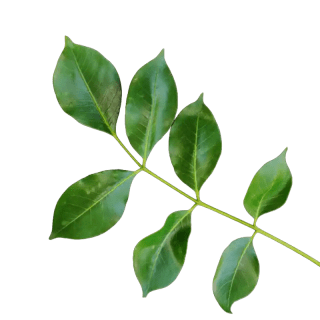
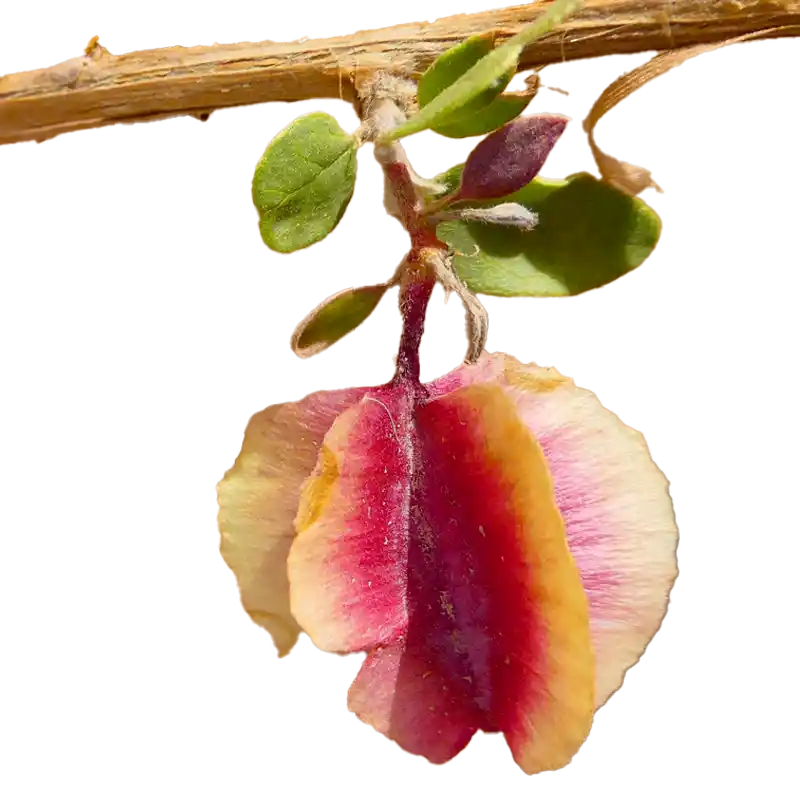
Combretum aculeatum is a scrambling, thorny Sahelian shrub whose leaves, roots and twigs are a common West African folk medicine for diarrhoea and dysentery, wounds, eye complaints, fever and pain. Like other Combretaceae it is rich in antioxidant polyphenols with documented antimicrobial activity.الكومبريتوم الشائك (Combretum aculeatum) جُنَيبة سّاحلية متسلّقة شائكة، أوراقها وجذورها وأغصانها دواءٌ شعبي غرب إفريقي شائع للإسهال والزحار والجروح وشكاوى العين والحمّى والألم. وككلّ الفصيلة الكومبريتية هو غنيّ ببوليفينولات مضادة للأكسدة بنشاطٍ موثّق مضاد للميكروبات.
Categoryالفئة
• Sahelian medicinal shrub (Combretaceae)
• Antimicrobial & antioxidant
• Antidiarrhoeal & digestive
• Wound & eye remedy (traditional)
• Fever & pain support• جُنَيبة طبية سّاحلية (الفصيلة الكومبريتية)
• مضادّة للميكروبات والأكسدة
• مضادّة للإسهال وهاضمة
• علاجٌ للجروح والعين (تقليدي)
• دعمٌ للحمّى والألم
Habitatالموطن
A scrambling spiny shrub of dry savanna, thickets and hedges across the Sahel and dry West Africa.جُنَيبة متسلّقة شائكة في السافانا الجافة والأدغال والأسيجة عبر السّاحل وغرب إفريقيا الجاف.
Parts usedالأجزاء المستخدمة
• Leaves
• Roots
• Twigs
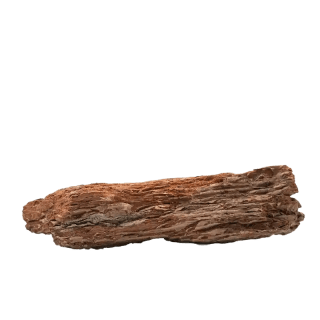
• Bark• الأوراق
• الجذور
• الأغصان
• اللحاء
Key constituentsالمكوّنات الفعّالة
• Flavonoids
• Tannins
• Triterpenes
• Phenolic acids
• Combretastatin-type stilbenoids (genus)• فلافونويدات
• تانينات
• تريتربينات
• أحماض فينولية
• ستيلبينويدات من نمط الكومبريتاستاتين (الجنس)
Researchالأبحاث
Combretum aculeatum, within the well-studied Combretaceae, shows antimicrobial and antioxidant activity and contains flavonoid, tannin and triterpene constituents; ethnobotanical and antimicrobial surveys of African Combretum record its use for diarrhoea, wounds and infections. Evidence is preclinical and ethnobotanical.يُظهر الكومبريتوم الشائك، ضمن الفصيلة الكومبريتية المدروسة جيداً، نشاطاً مضاداً للميكروبات والأكسدة ويحوي فلافونويدات وتانينات وتريتربينات؛ وتسجّل المسوح الإثنوبوتانية والمضادة للميكروبات لأنواع الكومبريتوم الإفريقية استعماله للإسهال والجروح والعدوى. والأدلة قبل سريرية وإثنوبوتانية.
Published researchأبحاث منشورة
Traditional useالاستخدام التقليدي
Used across West Africa for diarrhoea and dysentery, for wounds, sores and abscesses, for eye infections (leaf washes), for fever and headache, for coughs and colds, and as a general antimicrobial and pain remedy.يُستعمل عبر غرب إفريقيا للإسهال والزحار وللجروح والقروح والخرّاجات ولعدوى العين (غسولات الورق) وللحمّى والصداع وللسعال والزكام ومضاداً عاماً للميكروبات وعلاجاً للألم.
Current useالاستخدام الحالي
Used as a Sahelian folk remedy for diarrhoea, wounds and infections; studied for antimicrobial and antioxidant activity.يُستعمل علاجاً سّاحلياً شعبياً للإسهال والجروح والعدوى؛ ويُدرَس لنشاطه المضاد للميكروبات والأكسدة.
Preparationsالتحضيرات
• Leaf/root decoction
• Leaf wash (wounds/eyes)
• Topical poultice• مغليّ الأوراق/الجذور
• غسول الورق (الجروح/العين)
• لبخة موضعية
Used for these conditionsيُستخدم لهذه الحالات
Adult dosageجرعة البالغين
Leaf/root decoction in traditional amounts; leaf wash for wounds/eyes; per traditional practice.مغليّ الأوراق/الجذور بكميات تقليدية؛ غسول ورقٍ للجروح/العين؛ بحسب الممارسة التقليدية.
Child dosageجرعة الأطفال
Medicinal preparations only with knowledgeable guidance.المستحضرات الطبية بإرشادٍ خبير فقط.
Cautionتحذيرات
Medicinal dosing is not standardised and the tannin content makes strong long-term internal use hard on the stomach. Use clean preparations for any eye wash, use knowledgeable sourcing, avoid in pregnancy, and do not rely on it alone for serious infection.الجرعة الطبية غير مقنّنة ومحتوى التانين يجعل الاستعمال الداخلي القوي الطويل شاقّاً على المعدة. وتُستعمل مستحضرات نظيفة لأيّ غسول عين، ويُعتمَد مصدرٌ خبير، ويُتجنَّب في الحمل، ولا يُعتمَد عليه وحده في العدوى الشديدة.
Pregnancy & nursingالحمل والرضاعة
Avoid medicinal doses in pregnancy — not established as safe.تُتجنَّب الجُرَع الطبية في الحمل — غير مثبتة الأمان.