Introductionمقدّمة
Rumex confertus (Russian/horse dock) is a large Eurasian dock whose root, like other docks, is used as a gentle laxative in larger amounts and an astringent in smaller ones, for constipation, diarrhoea, the skin and 'blood'. It contains anthraquinones and tannins, with antioxidant and antimicrobial activity.الحُمّاض الروسي (Rumex confertus، حُمّاض الخيل) حُمّاضٌ أوراسيّ كبير جذره — كسائر الحُمّاض — يُستعمل مليّناً لطيفاً بالكميات الأكبر وقابضاً بالأصغر، للإمساك والإسهال والجلد و«الدم». ويحوي أنثراكينونات وعفصاً، بنشاطٍ مضاد للأكسدة والميكروبات.
Categoryالفئة
• Large dock — laxative & astringent root
• Laxative (anthraquinones) / astringent
• Antioxidant / antimicrobial
• Anti-inflammatory / hepatoprotective (preclinical)
• Traditional gut, skin & 'blood' remedy• حُمّاض كبير — جذرٌ مليّن وقابض
• مليّن (أنثراكينونات)/قابض
• مضاد للأكسدة/الميكروبات
• مضاد للالتهاب/واقٍ للكبد (أوّلي)
• علاجٌ تقليدي للأمعاء والجلد و«الدم»
Habitatالموطن
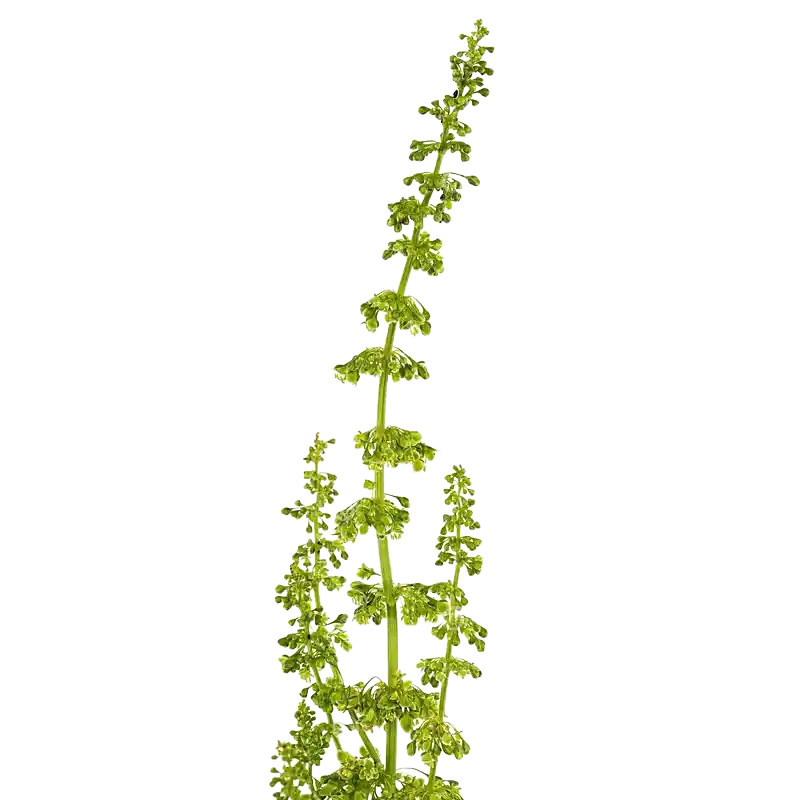
A tall robust perennial dock with large leaves and dense flower/seed spikes, of meadows, roadsides and river valleys across Eastern Europe and Russia.حُمّاضٌ مُعمّر قويّ طويل بأوراقٍ كبيرة وسنابل أزهار/بذورٍ كثيفة، في المروج وحواف الطرق ووديان الأنهار عبر شرق أوروبا وروسيا.
Parts usedالأجزاء المستخدمة
• Root
• Seeds
• Leaves• الجذر
• البذور
• الأوراق
Key constituentsالمكوّنات الفعّالة
• Anthraquinones (chrysophanol, emodin)
• Tannins
• Flavonoids
• Oxalates (leaves)
• Phenolic acids• أنثراكينونات (كريسوفانول، إيمودين)
• عفص
• فلافونويدات
• أكسالات (الأوراق)
• أحماض فينولية
Researchالأبحاث
Studies of Rumex confertus root confirm antioxidant, antimicrobial and anti-inflammatory activity from its anthraquinones and tannins, and reviews of the Rumex genus document laxative (anthraquinone), astringent and hepatoprotective effects — supporting its traditional dual use for constipation and diarrhoea and for the skin. Its leaves are oxalate-rich; evidence is largely preclinical.تؤكّد دراسات جذر الحُمّاض الروسي نشاطاً مضاداً للأكسدة والميكروبات والالتهاب من أنثراكيناته وعفصه، وتوثّق مراجعات جنس الحُمّاض تأثيراتٍ مليّنة (أنثراكينون) وقابضة وواقية للكبد — بما يدعم استعماله التقليدي المزدوج للإمساك والإسهال وللجلد. وأوراقه غنيّة بالأكسالات؛ والأدلة أوّلية غالباً.
Published researchأبحاث منشورة
Traditional useالاستخدام التقليدي
Used in Russian and Eastern-European folk medicine as a laxative for constipation (larger dose) and an astringent for diarrhoea and bleeding (smaller dose), for skin conditions, eczema and itching, as a 'blood cleanser', for the liver, and applied to wounds; the young leaves are a sour cooked green.يُستعمل في الطبّ الشعبي الروسي والشرق أوروبي مليّناً للإمساك (جرعة أكبر) وقابضاً للإسهال والنزف (جرعة أصغر)، وللأمراض الجلدية والأكزيما والحكّة، و«مُنقّياً للدم»، وللكبد، ويُوضَع على الجروح؛ والأوراق الفتيّة خضارٌ حامض مطبوخ.
Current useالاستخدام الحالي
Used in traditional laxative, astringent and skin preparations; studied scientifically.يُستعمل في تحضيرات التليين والقبض والجلد التقليدية؛ ويُدرَس علمياً.
Preparationsالتحضيرات
Root decoction (laxative/astringent), Cooked leaf (food), Skin washمغليّ جذر (مليّن/قابض)، ورقٌ مطبوخ (غذاء)، غسول جلد
Used for these conditionsيُستخدم لهذه الحالات
Adult dosageجرعة البالغين
Root decoction in small amounts as an astringent, or larger amounts as a laxative, per practice.مغليّ جذر بكميات صغيرة قابضاً، أو أكبر مليّناً، بحسب الممارسة.
Child dosageجرعة الأطفال
Not recommended as a laxative for children.لا يُنصَح به مليّناً للأطفال.
Cautionتحذيرات
The root is a stimulant (anthraquinone) laxative in larger doses — avoid overuse and long-term use, which can cause cramping and, over time, potassium loss and a lazy bowel; avoid with bowel obstruction and in pregnancy. The leaves are oxalate-rich, so eat only young leaves, cooked and in moderation, and avoid with kidney stones or gout.الجذر مليّنٌ منبِّه (أنثراكينون) بالجرعات الأكبر — تجنّب الإفراط والاستعمال المطوّل الذي قد يسبّب مغصاً، ومع الوقت فقدان بوتاسيوم وكسلاً معوياً؛ ويُتجنَّب مع انسداد الأمعاء وفي الحمل. والأوراق غنيّة بالأكسالات، فكُل الأوراق الفتيّة فقط مطبوخة وباعتدال، وتجنّبها مع حصى الكلى أو النقرس.
Pregnancy & nursingالحمل والرضاعة
Avoid the laxative root in pregnancy (anthraquinones can stimulate the bowel and uterus).يُتجنَّب الجذر المليّن في الحمل (قد تُنبِّه الأنثراكينونات الأمعاء والرحم).