Introductionمقدّمة
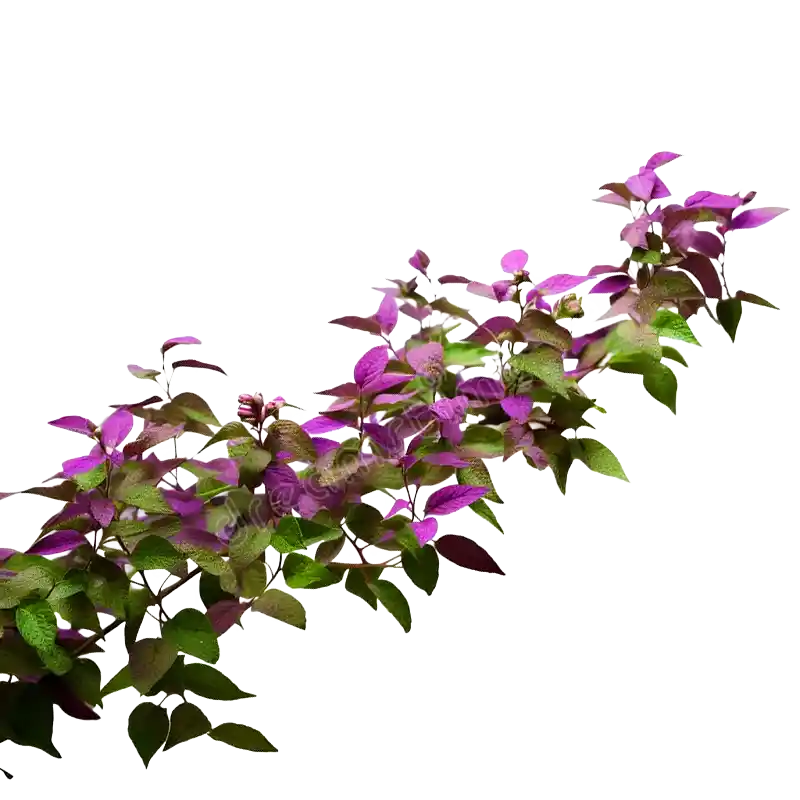
Vernonia colorata is a wild African tree closely related to the famous bitter leaf (V. amygdalina), sharing its bitter, medicinal leaves. It is used for malaria and fevers, stomach and gut complaints, wounds and diabetes, and shows antimalarial, antimicrobial and antidiabetic activity.فيرنونيا مُلوَّنة (Vernonia colorata) شجرةٌ إفريقية برّية قريبة جداً من الورقة المُرّة الشهيرة (V. amygdalina)، تشاركها أوراقها المُرّة الدوائية. تُستعمل للملاريا والحمّى وشكاوى المعدة والأمعاء والجروح والسكري، وتُظهِر نشاطاً مضاداً للملاريا والميكروبات والسكري.
Categoryالفئة
• Wild bitter-leaf relative
• Antimalarial / antimicrobial
• Antidiabetic (preclinical)
• Anti-inflammatory / antioxidant
• Traditional fever, gut & wound remedy• قريبٌ برّيّ للورقة المُرّة
• مضاد للملاريا/الميكروبات
• مضاد للسكري (أوّلي)
• مضاد للالتهاب/الأكسدة
• علاجٌ تقليدي للحمّى والأمعاء والجروح
Habitatالموطن
A shrub or small tree with bitter leaves, of savanna and woodland across tropical Africa.شُجيرةٌ أو شجرة صغيرة بأوراقٍ مُرّة، في السافانا والغابات عبر إفريقيا الاستوائية.
Parts usedالأجزاء المستخدمة
• Leaves
• Roots
• Bark• الأوراق
• الجذور
• اللحاء
Key constituentsالمكوّنات الفعّالة
• Sesquiterpene lactones (vernolide-type)
• Steroid saponins
• Flavonoids
• Tannins
• Phenolic acids• لاكتونات سيسكويتربينية (من نوع الفيرنوليد)
• صابونينات ستيرويدية
• فلافونويدات
• عفص
• أحماض فينولية
Researchالأبحاث
Studies of Vernonia colorata leaf extracts report antiplasmodial (antimalarial), antimicrobial, anti-inflammatory and antioxidant activity from its sesquiterpene lactones and flavonoids — consistent with its use, like its close relative bitter leaf, for malaria, fevers, the gut and diabetes. Most evidence is preclinical.تذكر دراسات مستخلصات أوراق فيرنونيا مُلوَّنة نشاطاً مضاداً للملاريا والميكروبات والالتهاب والأكسدة من لاكتوناتها السيسكويتربينية وفلافونويداتها — بما يتّسق مع استعمالها، كقريبتها الورقة المُرّة، للملاريا والحمّى والأمعاء والسكري. ومعظم الأدلة أوّلية.
Published researchأبحاث منشورة
Traditional useالاستخدام التقليدي
Used across Africa for malaria and fevers, stomach and abdominal pain, diarrhoea and worms, wounds and skin conditions, diabetes and 'blood' problems, and as a bitter tonic; the bitter leaves are sometimes eaten like bitter leaf.تُستعمل في إفريقيا للملاريا والحمّى وألم المعدة والبطن والإسهال والديدان والجروح والأمراض الجلدية والسكري ومشكلات «الدم»، ومقوّياً مُرّاً؛ والأوراق المُرّة تُؤكَل أحياناً كالورقة المُرّة.
Current useالاستخدام الحالي
Used in African traditional medicine as leaf/root decoctions; studied for antimalarial and antidiabetic compounds.تُستعمل في الطبّ التقليدي الإفريقي مغليّ ورق/جذر؛ وتُدرَس لمركّباتها المضادة للملاريا والسكري.
Preparationsالتحضيرات
Leaf/root decoction, Bitter tonicمغليّ ورق/جذر، مقوٍّ مُرّ
Used for these conditionsيُستخدم لهذه الحالات
Adult dosageجرعة البالغين
Leaf/root decoction in traditional amounts per practitioner; the taste is very bitter.مغليّ ورق/جذر بكميات تقليدية بحسب المختصّ؛ والطعم مُرٌّ جداً.
Child dosageجرعة الأطفال
Only under knowledgeable guidance for children.فقط بإرشاد خبير للأطفال.
Cautionتحذيرات
Generally used safely in traditional amounts, similar to bitter leaf. Its blood-sugar-lowering effect can add to diabetes medicines. Very high or concentrated doses can cause stomach upset. Safety data are limited, so use modest amounts, and seek medical care for malaria rather than relying on the herb alone.تُستعمل بأمانٍ عموماً بالكميات التقليدية، كالورقة المُرّة. وقد يُضاف أثرها الخافض لسكر الدم إلى أدوية السكري. والجرعات العالية جداً أو المركّزة قد تسبّب انزعاجاً معوياً. وبيانات الأمان محدودة، فاستعمِل كميات معتدلة، واطلب الرعاية الطبية للملاريا بدل الاعتماد على العشبة وحدها.
Pregnancy & nursingالحمل والرضاعة
Avoid concentrated medicinal doses in pregnancy — not established as safe.تُتجنَّب الجرعات الدوائية المركّزة في الحمل — غير مثبتة الأمان.