Introductionمقدّمة
Senna abbreviata (Cassia abbreviata, long-tail cassia) is an African tree, related to the senna laxatives, whose bark and roots are widely used for stomach and abdominal pain, constipation, diarrhoea, STIs, malaria and pain. Its anthraquinones give a laxative action, and studies show antimicrobial and antioxidant activity.السنا المطوّل (Senna abbreviata، وتُعرَف Cassia abbreviata) شجرةٌ إفريقية قريبة من مليّنات السنا، يُستعمل لحاؤها وجذورها واسعاً لألم المعدة والبطن والإمساك والإسهال والأمراض المنقولة جنسياً والملاريا والألم. وتُعطي أنثراكيناتها فعلاً مليّناً، وتُظهِر الدراسات نشاطاً مضاداً للميكروبات والأكسدة.
Categoryالفئة
• African cassia — bark & root medicine
• Laxative (anthraquinones)
• Antimicrobial / antioxidant
• Traditional gut, STI & pain remedy
• Bitter purgative• سنا إفريقيّ — دواء لحاء وجذر
• مليّن (أنثراكينونات)
• مضاد للميكروبات/الأكسدة
• علاجٌ تقليدي للأمعاء والأمراض المنقولة والألم
• مُسهِّل مُرّ
Habitatالموطن
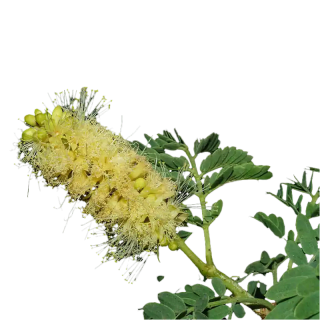
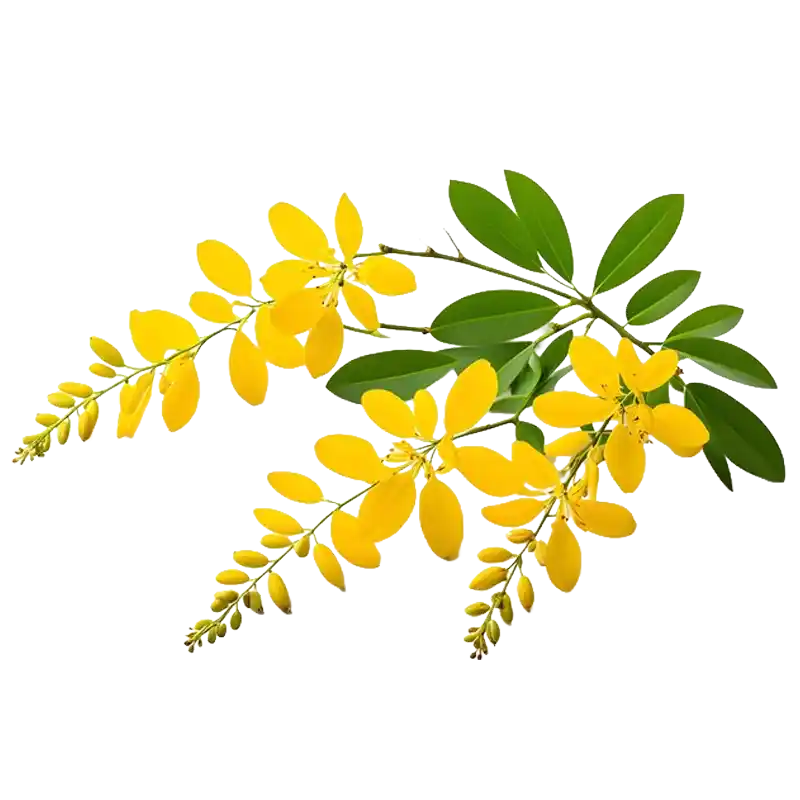
A small to medium tree with yellow flowers and long, slender pods, of savanna and woodland across southern and eastern Africa.شجرةٌ صغيرة إلى متوسطة بأزهارٍ صفراء وقرونٍ طويلة نحيلة، في السافانا والغابات عبر جنوب وشرق إفريقيا.
Parts usedالأجزاء المستخدمة
• Bark
• Roots
• Leaves
• Pods• اللحاء
• الجذور
• الأوراق
• القرون
Key constituentsالمكوّنات الفعّالة
• Anthraquinones (sennosides-type)
• Tannins
• Flavonoids
• Triterpenes
• Phenolic acids• أنثراكينونات (من نوع السينوزيد)
• عفص
• فلافونويدات
• تريتربينات
• أحماض فينولية
Researchالأبحاث
As a senna/cassia species, Senna abbreviata contains laxative anthraquinones, and studies of Senna/Cassia extracts document antimicrobial, antioxidant and cytotoxic-screening activity — consistent with its traditional use for constipation, infections, STIs and pain. The bark and roots are strong, and the laxative and other actions mean cautious dosing. Robust clinical data are limited.كنوعٍ من السنا/الكاسيا، يحوي السنا المطوّل أنثراكينونات مليّنة، وتوثّق دراسات مستخلصات السنا/الكاسيا نشاطاً مضاداً للميكروبات والأكسدة وفي فحص السرطان — بما يتّسق مع استعماله التقليدي للإمساك والعدوى والأمراض المنقولة والألم. واللحاء والجذور قوية، وفعله المليّن وغيره يعني جرعةً حذرة. وتنقص البيانات السريرية المتينة.
Published researchأبحاث منشورة
Traditional useالاستخدام التقليدي
Used across Africa for constipation and as a purgative, for stomach and abdominal pain, diarrhoea and dysentery, sexually-transmitted infections, malaria and fevers, pain and toothache, and as a 'blood-cleansing' remedy.يُستعمل في إفريقيا للإمساك ومُسهِّلاً، ولألم المعدة والبطن والإسهال والزحار والأمراض المنقولة جنسياً والملاريا والحمّى والألم وألم الأسنان، ودواءً «مُنقّياً للدم».
Current useالاستخدام الحالي
Used in African traditional medicine as bark/root decoctions; a purgative and antimicrobial remedy.يُستعمل في الطبّ التقليدي الإفريقي مغليّ لحاء/جذر؛ علاجٌ مُسهِّل ومضاد للميكروبات.
Preparationsالتحضيرات
Bark/root decoction, Powderمغليّ لحاء/جذر، مسحوق
Used for these conditionsيُستخدم لهذه الحالات
Adult dosageجرعة البالغين
Small traditional doses of bark/root per practitioner; the laxative effect is dose-dependent.جرعاتٌ تقليدية صغيرة من اللحاء/الجذر بحسب المختصّ؛ والأثر المليّن يعتمد على الجرعة.
Child dosageجرعة الأطفال
Not recommended as a purgative for children.لا يُنصَح به مُسهِّلاً للأطفال.
Cautionتحذيرات
The anthraquinone-containing bark/roots are a strong laxative/purgative — large or prolonged doses cause cramping, diarrhoea and fluid/potassium loss and can make the bowel 'lazy'. Avoid with bowel obstruction and in pregnancy, and don't use long-term. Safety data are limited, so use modest amounts under guidance.اللحاء/الجذور المحتوية على الأنثراكينون مليّنٌ/مُسهِّل قويّ — والجرعات الكبيرة أو المطوّلة تسبّب مغصاً وإسهالاً وفقدان سوائل/بوتاسيوم وقد تُكسِل الأمعاء. يُتجنَّب مع انسداد الأمعاء وفي الحمل، ولا يُستعمل طويل الأمد. وبيانات الأمان محدودة، فاستعمِل كميات معتدلة بإشراف.
Pregnancy & nursingالحمل والرضاعة
Avoid in pregnancy — purgative anthraquinones can stimulate the bowel and uterus.يُتجنَّب في الحمل — الأنثراكينونات المُسهِّلة قد تُنبِّه الأمعاء والرحم.