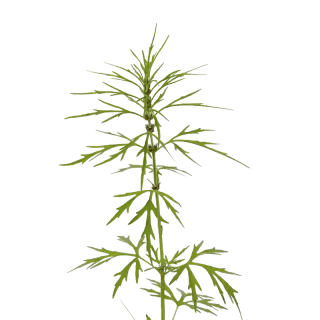
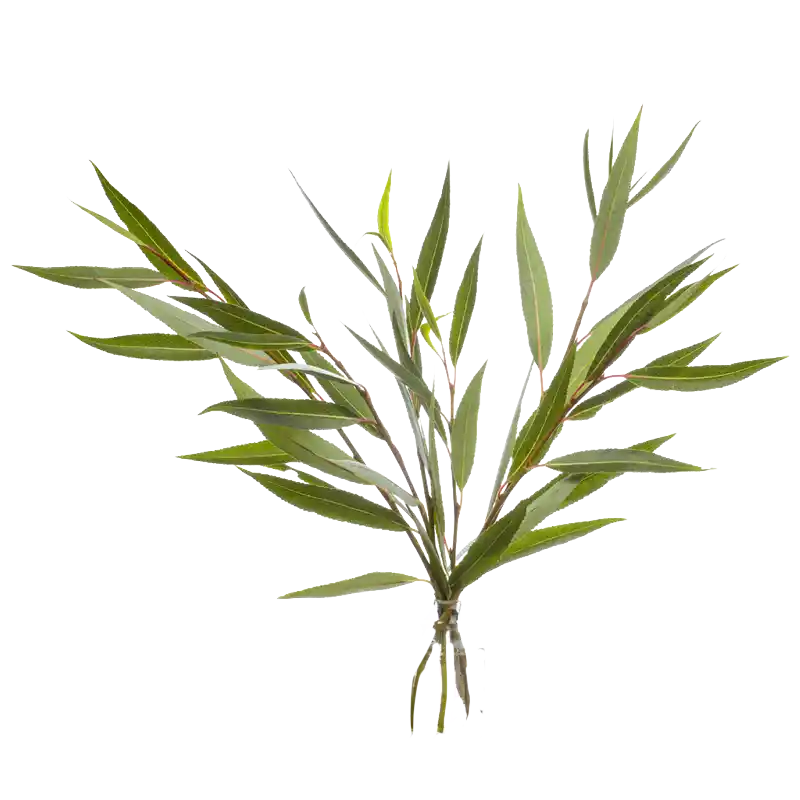
Introductionمقدّمة
Salix fragilis (crack willow) is one of the willows whose bark is rich in salicin, the natural forerunner of aspirin. Like white willow, its bark is used to relieve pain, fever and inflammation — a classic herbal analgesic for headaches, back pain and rheumatism.الصفصاف الهشّ (Salix fragilis) أحد أنواع الصفصاف التي يغنى لحاؤها بالساليسين، سليف الأسبرين الطبيعي. وكالصفصاف الأبيض، يُستعمل لحاؤه لتخفيف الألم والحمّى والالتهاب — مُسكِّنٌ عشبيّ كلاسيكي للصداع وألم الظهر والروماتيزم.
Categoryالفئة
• Willow bark — 'natural aspirin'
• Anti-inflammatory / analgesic (salicin)
• Antipyretic (fever)
• Antioxidant
• Traditional pain & rheumatism herb• لحاء الصفصاف — «أسبرين طبيعي»
• مضاد للالتهاب/مُسكِّن (ساليسين)
• خافض حمّى
• مضاد للأكسدة
• عشبة ألمٍ وروماتيزم تقليدية
Habitatالموطن
A large waterside tree with brittle twigs that snap off easily, on riverbanks and wet ground across Europe and West Asia.شجرةٌ كبيرة على ضفاف الماء بأفرعٍ هشّة تنكسر بسهولة، على ضفاف الأنهار والأرض الرطبة عبر أوروبا وغرب آسيا.
Parts usedالأجزاء المستخدمة
• Bark (young branches)• اللحاء (الأفرع الفتيّة)
Key constituentsالمكوّنات الفعّالة
• Salicin & salicylic glycosides
• Tannins
• Flavonoids
• Phenolic acids• ساليسين وغليكوزيدات ساليسيلية
• عفص
• فلافونويدات
• أحماض فينولية
Researchالأبحاث
Willow barks, including Salix fragilis, contain salicin that the body converts toward salicylic acid, giving documented anti-inflammatory, pain-relieving and fever-reducing effects; the European Medicines Agency recognises willow bark (several species) for low-back pain and minor joint pain, and studies confirm antioxidant activity. Salix fragilis is a recognised salicin-rich source.لحاء الصفصاف، ومنه الصفصاف الهشّ، يحوي الساليسين الذي يحوّله الجسم نحو حمض الساليسيليك، فيعطي تأثيراتٍ مضادة للالتهاب ومُسكِّنة وخافضة للحمّى موثّقة؛ وتعترف وكالة الأدوية الأوروبية بلحاء الصفصاف (أنواعٍ عدّة) لألم أسفل الظهر وألم المفاصل الطفيف، وتؤكّد الدراسات نشاطاً مضاداً للأكسدة. والصفصاف الهشّ مصدرٌ معترَف به غنيّ بالساليسين.
Published researchأبحاث منشورة
Traditional useالاستخدام التقليدي
Used like white willow for pain, fever and inflammation — headaches, back and joint pain, rheumatism, arthritis and feverish colds — and as an astringent for diarrhoea.يُستعمل كالصفصاف الأبيض للألم والحمّى والالتهاب — الصداع وألم الظهر والمفاصل والروماتيزم والتهاب المفاصل والزكام المصحوب بحمّى — وقابضاً للإسهال.
Current useالاستخدام الحالي
Used as willow-bark tea, tincture or standardised extract for pain and inflammation.يُستعمل شاي أو صبغة أو مستخلص لحاء صفصافٍ موحّد للألم والالتهاب.
Preparationsالتحضيرات
Bark decoction, Tincture, Standardised extractمغليّ لحاء، صبغة، مستخلص موحّد
Used for these conditionsيُستخدم لهذه الحالات
Adult dosageجرعة البالغين
Bark decoction 1–3 g, or a standardised extract giving 60–240 mg salicin daily.مغليّ لحاء 1–3 غ، أو مستخلص موحّد يعطي 60–240 ملغ ساليسين يومياً.
Child dosageجرعة الأطفال
Do not give to children with fever/viral illness (Reye's-syndrome risk from salicylates).لا يُعطى للأطفال في الحمّى/المرض الفيروسي (خطر متلازمة راي من الساليسيلات).
Cautionتحذيرات
Contains salicylates: avoid if allergic to aspirin, on blood-thinners, with stomach ulcers or asthma triggered by aspirin, and do not give to children with fever/viral illness (Reye's-syndrome risk). It may add to aspirin and anti-clotting medicines. Stop and seek help for stomach pain or unusual bleeding.يحوي ساليسيلات: تجنّبه إن كنت متحسّساً للأسبرين أو على مميّعات الدم أو بقرحة معدة أو ربوٍ يُثيره الأسبرين، ولا تُعطِه للأطفال في الحمّى/المرض الفيروسي (خطر متلازمة راي). وقد يُضاف إلى الأسبرين وأدوية منع التخثّر. توقّف واطلب المساعدة عند ألم المعدة أو نزفٍ غير معتاد.
Pregnancy & nursingالحمل والرضاعة
Avoid in pregnancy — salicylates (as with aspirin).يُتجنَّب في الحمل — ساليسيلات (كالأسبرين).