Introductionمقدّمة
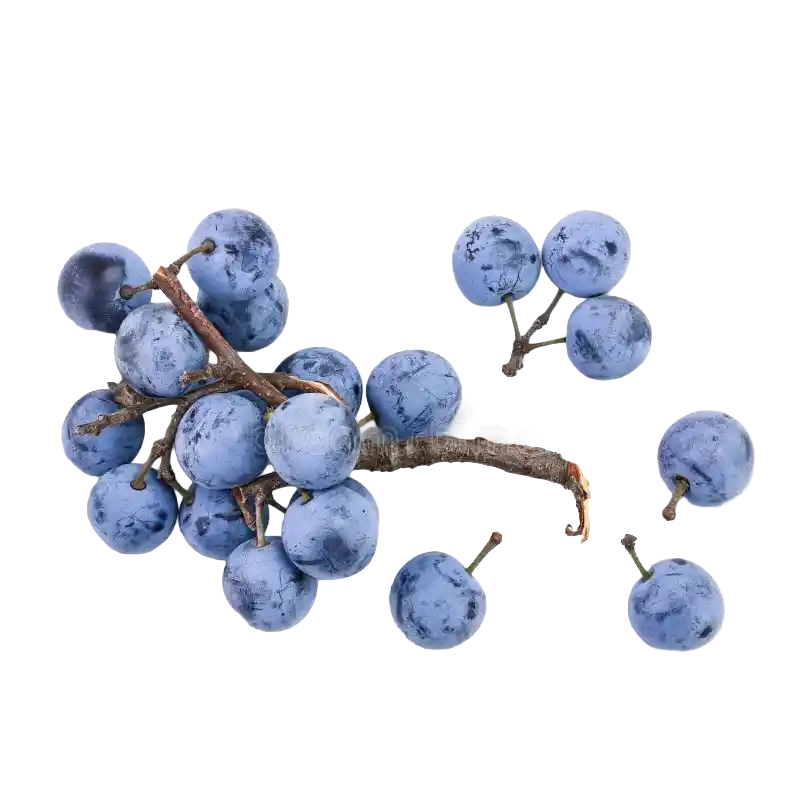
Prunus spinosa (blackthorn, sloe) is a thorny shrub giving small blue-black sloes rich in antioxidant anthocyanins and tannins. The astringent fruit and the gently laxative, 'cleansing' flowers are used for the digestion, the skin and as a spring tonic.الخوخ الشوكي (Prunus spinosa، السَّلوة) شُجيرةٌ شائكة تُعطي ثماراً صغيرة زرقاء سوداء غنيّة بالأنثوسيانين والعفص المضادين للأكسدة. وتُستعمل الثمار القابضة والأزهار المليّنة اللطيفة «المُنقّية» للهضم والجلد ومقوّياً ربيعياً.
Categoryالفئة
• Sloe — antioxidant fruit & flowers
• Antioxidant / anti-inflammatory
• Astringent (fruit)
• Gentle laxative & 'spring cleanse' (flowers)
• Rich in anthocyanins• السَّلوة — ثمارٌ وأزهار مضادة للأكسدة
• مضاد للأكسدة/الالتهاب
• قابض (الثمر)
• مليّن لطيف و«تنقية ربيعية» (الأزهار)
• غنيّ بالأنثوسيانين
Habitatالموطن
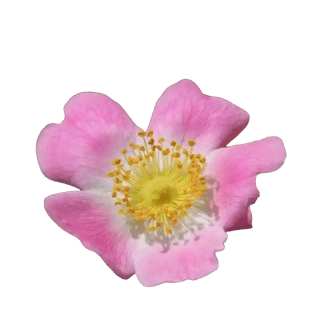
A dense, spiny hedgerow shrub with white spring blossom before the leaves, and blue-black autumn sloes, across Europe and West Asia.شُجيرة أسيجة كثيفة شائكة بأزهارٍ بيضاء ربيعية قبل الأوراق، وثمارٍ خريفية زرقاء سوداء، عبر أوروبا وغرب آسيا.
Parts usedالأجزاء المستخدمة
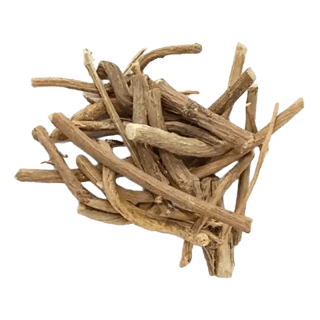
• Flowers
• Fruit (sloes)
• Leaves
• Bark• الأزهار
• الثمار (السَّلوة)
• الأوراق
• اللحاء
Key constituentsالمكوّنات الفعّالة
• Anthocyanins & flavonoids
• Tannins
• Phenolic acids
• Organic acids & vitamin C (fruit)
• Cyanogenic traces (seed)• أنثوسيانينات وفلافونويدات
• عفص
• أحماض فينولية
• أحماض عضوية وفيتامين C (الثمر)
• آثار سيانوجينية (البذرة)
Researchالأبحاث
Blackthorn is confirmed as a rich source of phenolic antioxidants: studies of both the flowers and fruit show antioxidant, anti-inflammatory and pro-inflammatory-enzyme-inhibiting activity, with anthocyanins and flavonoids as key compounds. This supports the traditional use of the astringent fruit for the gut and the gentle 'cleansing' flowers as a spring tonic. Human trials are limited.يتأكّد الخوخ الشوكي مصدراً غنياً بمضادات الأكسدة الفينولية: تُظهِر دراسات الأزهار والثمار نشاطاً مضاداً للأكسدة والالتهاب ومثبّطاً للإنزيمات الالتهابية، مع الأنثوسيانين والفلافونويد مركّباتٍ أساسية. وهذا يدعم الاستعمال التقليدي للثمار القابضة للأمعاء والأزهار «المُنقّية» اللطيفة مقوّياً ربيعياً. والتجارب البشرية محدودة.
Published researchأبحاث منشورة
Traditional useالاستخدام التقليدي
The flowers were used as a gentle laxative, diuretic and 'blood-cleansing' spring tonic and for the skin; the astringent sloes for diarrhoea, mouth and throat and to make sloe gin and preserves; the leaves as a mild tea.استُعملت الأزهار مليّناً ومُدرّاً و«مُنقّياً للدم» ربيعياً وللجلد؛ والسَّلوة القابضة للإسهال والفم والحلق ولصنع جِن السَّلوة والمربّى؛ والأوراق شاياً خفيفاً.
Current useالاستخدام الحالي
Flowers used in gentle 'spring-cleanse' and skin teas; the fruit for preserves, syrups and sloe gin, and as an astringent.تُستعمل الأزهار في شاي «التنقية الربيعية» والجلد اللطيف؛ والثمار للمربّى والشراب وجِن السَّلوة، وقابضاً.
Preparationsالتحضيرات
Flower infusion, Fruit preserve/syrup, Gargleنقيع أزهار، مربّى/شراب ثمار، غرغرة
Used for these conditionsيُستخدم لهذه الحالات
Adult dosageجرعة البالغين
Flower infusion 1–2 g per cup; sloe/fruit preparations as food or an astringent gargle.نقيع أزهار 1–2 غ للكوب؛ وتحضيرات السَّلوة/الثمر طعاماً أو غرغرةً قابضة.
Child dosageجرعة الأطفال
The cooked/preserved fruit is fine as food; mild flower tea under guidance.الثمر المطبوخ/المحفوظ مقبول طعاماً؛ وشاي الأزهار الخفيف بإشراف.
Cautionتحذيرات
The flowers and fruit are gentle and food-safe. As with other Prunus, do not crush and eat the seeds/kernels in quantity (they contain cyanogenic compounds). The raw sloes are very sour and astringent — best cooked or preserved. Handle the sharp thorns with care.الأزهار والثمار لطيفة وآمنة طعاماً. وكسائر الخوخيات، لا تسحق وتأكل البذور/النوى بكمّية (تحوي مركّباتٍ سيانوجينية). والسَّلوة النيّئة حامضة قابضة جداً — والأفضل طبخها أو حفظها. وتُناوَل الأشواك الحادّة بحذر.
Pregnancy & nursingالحمل والرضاعة
Fruit and mild flower tea in food amounts are gentle; avoid strong medicinal doses.الثمر وشاي الأزهار الخفيف بكميات الطعام لطيفان؛ وتُتجنَّب الجرعات الدوائية القوية.