Introductionمقدّمة
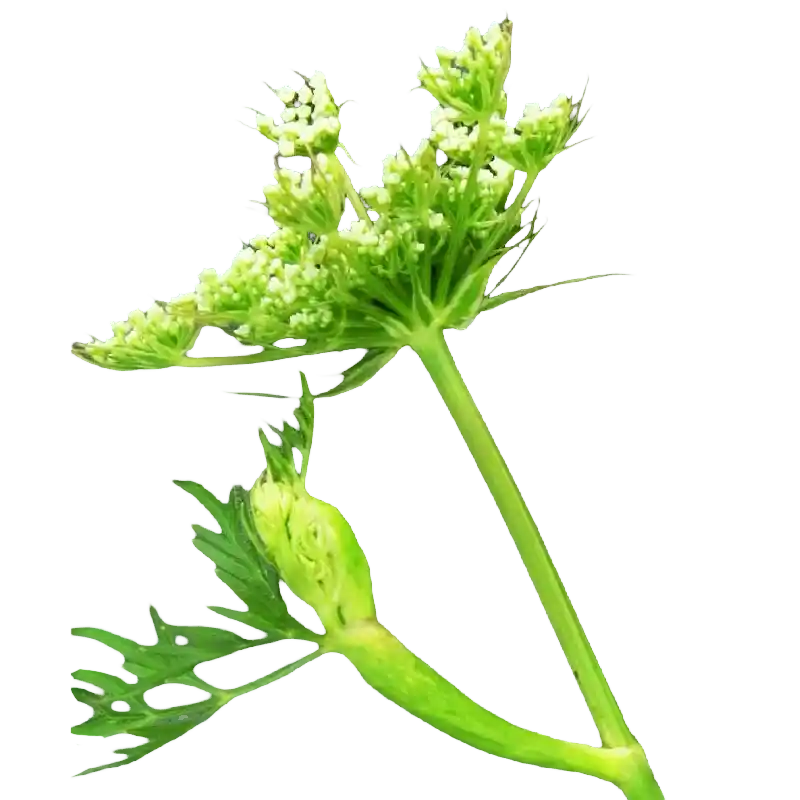
Peucedanum palustre (marsh hog's fennel, milk-parsley) is a marshland umbellifer whose coumarin-rich root was used traditionally as an antispasmodic and expectorant. It contains furanocoumarins that can cause light-sensitivity, and it is famous as the food plant of the swallowtail butterfly.شمرة الخنزير المستنقعية (Peucedanum palustre، بقدونس الحليب) خيميّة مستنقعاتٍ استُعمل جذرها الغنيّ بالكومارين تقليدياً مضاداً للتشنّج ومُقشِّعاً. وتحوي فيورانوكومارينات قد تسبّب حساسيةً للضوء، وتشتهر نبتةً غذائية لفراشة السنونو.
Categoryالفئة
• Coumarin-rich marsh umbellifer
• Antispasmodic / expectorant (traditional)
• Antioxidant
• Contains furocoumarins — sun-sensitivity
• 'Milk-parsley' host of swallowtail• خيميّة مستنقعاتٍ غنيّة بالكومارين
• مضاد للتشنّج/مُقشِّع (تقليدي)
• مضاد للأكسدة
• تحوي فيوروكومارينات — حساسية للشمس
• «بقدونس الحليب» مضيف الفراشة
Habitatالموطن
A tall umbellifer of fens, marshes and wet meadows across Europe, exuding a milky juice when cut.خيميّةٌ طويلة في الأراضي الرطبة والمستنقعات والمروج الرطبة عبر أوروبا، تُفرِز عصيراً لبنياً عند القطع.
Parts usedالأجزاء المستخدمة
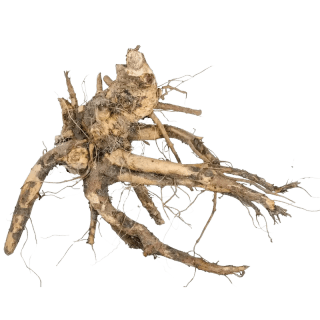
• Root
• Seeds• الجذر
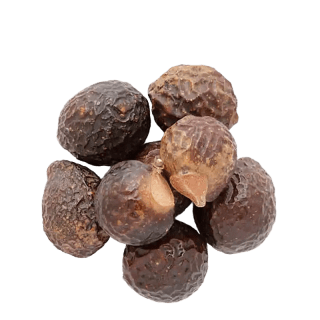
• البذور
Key constituentsالمكوّنات الفعّالة
• Coumarins & furanocoumarins
• Essential oil
• Flavonoids
• Resins• كومارينات وفيورانوكومارينات
• زيتٌ طيّار
• فلافونويدات
• راتنجات
Researchالأبحاث
Peucedanum palustre root is documented as rich in coumarins and furanocoumarins (profiled in Finnish populations), the class of compounds behind the genus's traditional antispasmodic, expectorant and digestive uses — and behind its capacity to cause photosensitivity. Dedicated clinical studies are lacking; evidence is chemical and traditional.جذر شمرة الخنزير المستنقعية موثّقٌ غنياً بالكومارينات والفيورانوكومارينات (مُحلَّلة في مجتمعات فنلندية)، وهي فئة المركّبات وراء الاستعمالات التقليدية المضادة للتشنّج والمُقشِّعة والهاضمة للجنس — ووراء قدرته على إحداث حساسية للضوء. وتنقص الدراسات السريرية المخصّصة؛ والأدلة كيميائية وتقليدية.
Published researchأبحاث منشورة
Traditional useالاستخدام التقليدي
Used in European folk medicine as an antispasmodic and expectorant for coughs, cramps and epilepsy, a carminative and digestive, and for the nerves; the root was sometimes chewed for the breath.تُستعمل في الطبّ الشعبي الأوروبي مضاداً للتشنّج ومُقشِّعاً للسعال والمغص والصرع، وطارداً للريح وهاضماً، وللأعصاب؛ وكان الجذر يُمضَغ أحياناً للنَّفَس.
Current useالاستخدام الحالي
Little used today; of mainly traditional and botanical (swallowtail-habitat) interest.قليلة الاستعمال اليوم؛ ذات أهمية تقليدية ونباتية (موطن فراشة السنونو) أساساً.
Preparationsالتحضيرات
Root decoction/tincture (small), Traditional remedyمغليّ/صبغة جذر (صغير)، علاجٌ تقليدي
Used for these conditionsيُستخدم لهذه الحالات
Adult dosageجرعة البالغين
Root in small traditional amounts per practitioner; no standardised dose.الجذر بكميات تقليدية صغيرة بحسب المختصّ؛ لا جرعة موحّدة.
Child dosageجرعة الأطفال
Not recommended for children.لا يُنصَح به للأطفال.
Cautionتحذيرات
The furanocoumarins can make the skin more sensitive to sunlight, so avoid strong sun after handling or taking it, and it may add to blood-thinning medicines. As a marsh umbellifer, correct identification is essential to avoid confusion with poisonous relatives (e.g. hemlock water dropwort). Use only small amounts.قد تجعل الفيورانوكومارينات الجلد أكثر حساسية للشمس، فتجنّب الشمس القوية بعد تناوله أو مسّه، وقد يُضاف إلى مميّعات الدم. وكخيميّة مستنقعات، التعرّف الصحيح ضروري لتفادي الخلط بالأقارب السامّة (كالشوكران المائي). استعمِل كميات صغيرة فقط.
Pregnancy & nursingالحمل والرضاعة
Avoid in pregnancy — furanocoumarins and antispasmodic action.تُتجنَّب في الحمل — فيورانوكومارينات وفعلٌ مضاد للتشنّج.