Introductionمقدّمة
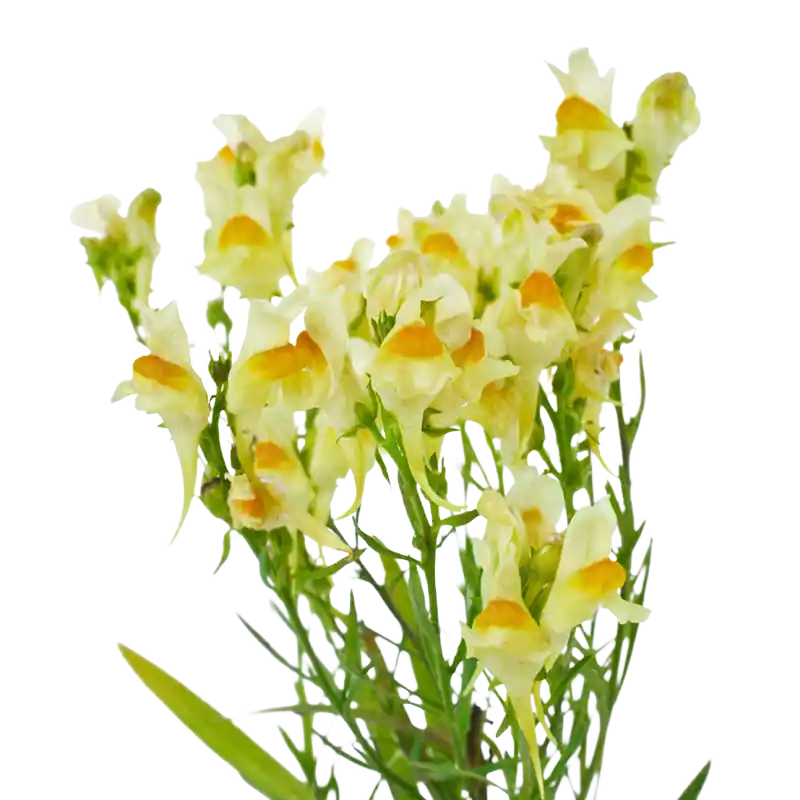
Linaria vulgaris (yellow toadflax, butter-and-eggs) is a yellow snapdragon-like wildflower used in folk medicine as a diuretic and laxative, for the liver and skin, and famously as an ointment for haemorrhoids and skin problems. Its flavonoids give anti-inflammatory and antioxidant activity.كتّانية الأزهار الصفراء (Linaria vulgaris) زهرةٌ برّية صفراء شبيهة بفم السمكة تُستعمل في الطبّ الشعبي مُدرّاً ومليّناً، وللكبد والجلد، واشتُهرت مرهماً للبواسير ومشكلات الجلد. وتمنحها فلافونويداتها نشاطاً مضاداً للالتهاب والأكسدة.
Categoryالفئة
• Yellow snapdragon-like flower
• Diuretic & laxative (traditional)
• Anti-inflammatory / antioxidant
• Skin & haemorrhoid ointment
• Liver herb (folk)• زهرة صفراء شبيهة بفم السمكة
• مُدرّ ومليّن (تقليدي)
• مضاد للالتهاب/الأكسدة
• مرهم جلدٍ وبواسير
• عشبة كبدٍ (شعبي)
Habitatالموطن
A perennial with spikes of yellow-and-orange 'snapdragon' flowers, on roadsides, banks and waste ground across Europe and naturalised widely.نبتةٌ مُعمّرة بسنابل أزهارٍ صفراء وبرتقالية شبيهة بفم السمكة، في حواف الطرق والضفاف والأراضي البور عبر أوروبا ومتوطّنة واسعاً.
Parts usedالأجزاء المستخدمة
• Aerial parts (flowering herb)• الأجزاء الهوائية (العشبة المزهرة)
Key constituentsالمكوّنات الفعّالة
• Flavonoids (linarin, pectolinarin)
• Iridoid glycosides (antirrhinoside)
• Phenolic acids
• Tannins
• Traces of quinolizidine alkaloids• فلافونويدات (لينارين، بكتولينارين)
• غليكوزيدات إيريدويدية (أنتيرينوزيد)
• أحماض فينولية
• عفص
• آثار قلويدات كينوليزيدينية
Researchالأبحاث
Toadflax is rich in flavonoids (linarin, pectolinarin) and iridoids with documented anti-inflammatory, antioxidant and mild diuretic activity, consistent with its traditional use for the liver, water retention, constipation and skin/haemorrhoids. Robust clinical trials are lacking, and it contains small amounts of alkaloids, so moderate use is advised.كتّانية الأزهار غنيّة بالفلافونويدات (لينارين، بكتولينارين) والإيريدويدات ذات النشاط المضاد للالتهاب والأكسدة والمُدرّ الخفيف الموثّق، بما يتّسق مع استعمالها التقليدي للكبد واحتباس الماء والإمساك والجلد/البواسير. وتنقص التجارب السريرية المتينة، وتحوي كميات صغيرة من القلويدات، فيُنصَح بالاستعمال المعتدل.
Published researchأبحاث منشورة
Traditional useالاستخدام التقليدي
Used in European folk medicine as a diuretic and laxative, for the liver and jaundice, and — most famously — as an ointment (in lard or with the fresh juice) for haemorrhoids, ulcers, sores and skin eruptions.تُستعمل في الطبّ الشعبي الأوروبي مُدرّاً ومليّناً، وللكبد واليرقان، و— أشهرها — مرهماً (في الشحم أو بالعصير الطازج) للبواسير والقروح والطفح الجلدي.
Current useالاستخدام الحالي
Used in herbal ointments for piles and skin, and in traditional 'liver' and diuretic teas; a minor remedy.تُستعمل في مراهم البواسير والجلد العشبية، وفي شاي «الكبد» والإدرار التقليدي؛ علاجٌ ثانوي.
Preparationsالتحضيرات
Ointment (external), Infusion, Washمرهم (خارجي)، نقيع، غسول
Used for these conditionsيُستخدم لهذه الحالات
Adult dosageجرعة البالغين
Infusion of 1–2 g dried herb, up to twice daily; or as an external ointment/wash.نقيع 1–2 غ عشبة مجفّفة، حتى مرتين يومياً؛ أو مرهماً/غسولاً خارجياً.
Child dosageجرعة الأطفال
External ointment only; avoid internal use in children.مرهمٌ خارجي فقط؛ ويُتجنَّب الاستعمال الداخلي للأطفال.
Cautionتحذيرات
Contains small amounts of alkaloids and can be a gripey laxative and diuretic in larger doses, so keep internal use modest and short-term. It is best known and safest as an external ointment for piles and skin. Avoid internal use in pregnancy.تحوي كميات صغيرة من القلويدات وقد تكون مليّناً ومُدرّاً مُمغِّصاً بالجرعات الأكبر، فأبقِ الاستعمال الداخلي معتدلاً وقصير الأمد. وهي أشهر وأأمن مرهماً خارجياً للبواسير والجلد. ويُتجنَّب الاستعمال الداخلي في الحمل.
Pregnancy & nursingالحمل والرضاعة
Avoid internal use in pregnancy — laxative and traditional emmenagogue.يُتجنَّب الاستعمال الداخلي في الحمل — مليّن ومُدِرّ للطمث تقليدياً.