
Introductionمقدّمة
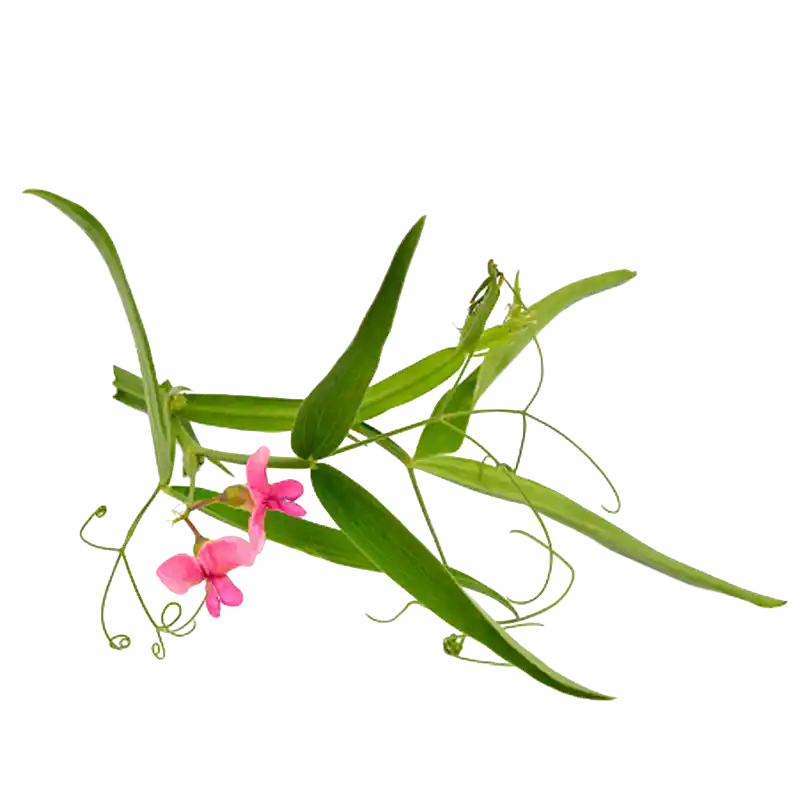
Lathyrus sylvestris (flat/everlasting pea) is a climbing wild pea sometimes used as fodder and famine food. Like other Lathyrus species it contains lathyrogenic (nerve-toxic) amino acids, so eating large amounts regularly is unsafe — it is not a food for everyday use.البازلاء المُجنّحة (Lathyrus sylvestris) بازلاء برّية متسلّقة تُستعمل أحياناً علفاً وطعام مجاعة. وهي — كسائر الجُلبّان — تحوي أحماضاً أمينية مُسبِّبة للاثيريَة (سامّة للأعصاب)، فأكل كميات كبيرة بانتظامٍ غير آمن — وليست طعاماً للاستعمال اليومي.
Categoryالفئة
• Wild pea / vetchling
• Fodder & famine food (with caution)
• Contains lathyrogenic amino acids
• Diuretic (traditional)
• Not for regular eating• بازلاء برّية / جُلبّانة
• علفٌ وطعام مجاعةٍ (بحذر)
• تحوي أحماضاً أمينية مُسبِّبة للاثيريَة
• مُدرّ للبول (تقليدي)
• ليست للأكل المنتظم
Habitatالموطن
A scrambling perennial pea with winged stems and pink-purple flowers, on hedgerows, banks and rough grassland across Europe.بازلاء مُعمّرة متسلّقة بسيقانٍ مجنّحة وأزهارٍ ورديّة أرجوانية، في الأسيجة والضفاف والمروج الخشنة عبر أوروبا.
Parts usedالأجزاء المستخدمة
• Seeds (fodder/famine food)
• Young shoots• البذور (علف/طعام مجاعة)
• البراعم الفتيّة
Key constituentsالمكوّنات الفعّالة
• Lathyrogenic amino acids (ODAP-type, α,γ-diaminobutyric acid)
• Protein
• Flavonoids
• Fibre• أحماض أمينية مُسبِّبة للاثيريَة (من نوع ODAP، حمض ثنائي أمينوبيوتيريك)
• بروتين
• فلافونويدات
• ألياف
Researchالأبحاث
Flat pea has been studied as a high-protein forage, but reviews note that Lathyrus species contain lathyrogenic amino acids that can cause 'lathyrism' — irreversible leg paralysis — when the seeds form a large part of the diet over time, as seen historically with grass pea. It is therefore treated as a cautious fodder/famine food, not a health food.دُرِست البازلاء المُجنّحة علفاً عالي البروتين، لكن المراجعات تُنبِّه إلى أن الجُلبّان يحوي أحماضاً أمينية مُسبِّبة للاثيريَة قد تسبّب «اللاثيريَة» — شللاً دائماً في الساقين — حين تُشكّل البذور جزءاً كبيراً من الغذاء عبر الزمن، كما شوهِد تاريخياً مع جُلبّان الحمص. ولذلك يُعامَل علفاً/طعام مجاعةٍ بحذر لا طعام صحّة.
Published researchأبحاث منشورة
Traditional useالاستخدام التقليدي
Used mainly as fodder and, in times of scarcity, as a famine food; occasionally noted as a mild diuretic. Not a mainstream medicinal herb.يُستعمل أساساً علفاً و— في أوقات الشحّ — طعام مجاعة؛ ويُذكَر أحياناً مُدرّاً خفيفاً. وليس عشبةً دوائية رئيسة.
Current useالاستخدام الحالي
Chiefly of agricultural (forage) interest; not recommended as a food or medicine for regular use.ذو أهمية زراعية (علفية) أساساً؛ ولا يُنصَح به طعاماً أو دواءً للاستعمال المنتظم.
Preparationsالتحضيرات
Fodder, Famine food (not recommended)علف، طعام مجاعة (غير مُوصى به)
Used for these conditionsيُستخدم لهذه الحالات
Adult dosageجرعة البالغين
No medicinal dose — not recommended for regular consumption because of lathyrism risk.لا جرعة دوائية — لا يُنصَح باستهلاكه المنتظم بسبب خطر اللاثيريَة.
Child dosageجرعة الأطفال
Not for children — children are especially vulnerable to lathyrism.لا يُستعمل للأطفال — الأطفال أشدّ عرضةً للاثيريَة.
Cautionتحذيرات
Regular or heavy consumption of the seeds can cause LATHYRISM — a permanent nerve/muscle paralysis of the legs — as happens with the related grass pea; children are most at risk. It is a fodder and last-resort famine food only, best avoided as a regular food or medicine.قد يسبّب استهلاك البذور المنتظم أو الكثيف «اللاثيريَة» — شللاً عصبياً/عضلياً دائماً في الساقين — كما يحدث مع جُلبّان الحمص القريب؛ والأطفال أشدّ عرضة. وهو علفٌ وطعام مجاعةٍ أخير فقط، والأفضل تجنّبه طعاماً أو دواءً منتظماً.
Pregnancy & nursingالحمل والرضاعة
Avoid — lathyrogenic amino acids.يُتجنَّب — أحماض أمينية مُسبِّبة للاثيريَة.


