
Introductionمقدّمة
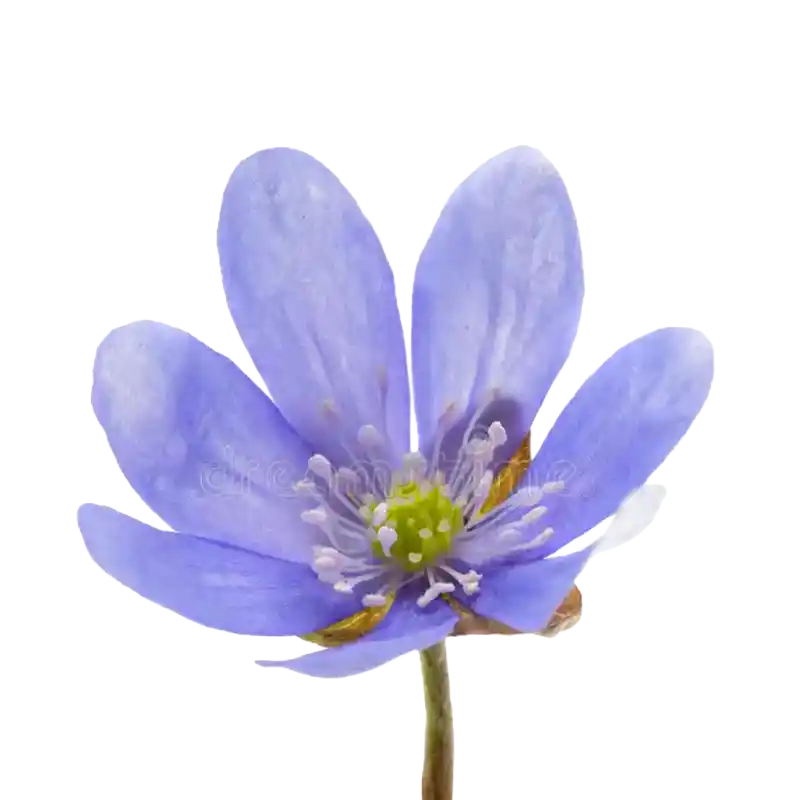
Hepatica nobilis (liverleaf) is a spring woodland flower named for its liver-shaped leaves and once used, by the 'doctrine of signatures', for the liver. Like other buttercup-family plants it contains irritant protoanemonin when fresh, so only carefully dried herb was used, in small amounts.عشبة الكبد (Hepatica nobilis) زهرة غاباتٍ ربيعية سُمّيت بأوراقها الشبيهة بالكبد واستُعملت قديماً — بـ«مذهب التوقيعات» — للكبد. وهي — كسائر فصيلة الحوذان — تحوي بروتوأنيمونين مُهيِّجاً طازجاً، فلم تُستعمل إلا العشبة المجفّفة بعناية وبكميات صغيرة.
Categoryالفئة
• Buttercup-family woodland flower
• Traditional liver herb (folk)
• Astringent (dried only)
• Contains protoanemonin — irritant when fresh
• Use with caution• زهرة غاباتٍ من فصيلة الحوذان
• عشبة كبدٍ تقليدية (شعبي)
• قابض (مجفّفة فقط)
• تحوي بروتوأنيمونين — مُهيِّج طازجاً
• يُستعمل بحذر
Habitatالموطن
A low perennial with three-lobed leaves and blue, pink or white flowers, in deciduous woodland on limestone across Europe and Asia.نبتةٌ مُعمّرة منخفضة بأوراقٍ ثلاثية الفصوص وأزهارٍ زرقاء أو ورديّة أو بيضاء، في الغابات النفضية على الكلس عبر أوروبا وآسيا.
Parts usedالأجزاء المستخدمة
• Leaves (dried)
• Aerial parts (dried)• الأوراق (مجفّفة)
• الأجزاء الهوائية (مجفّفة)
Key constituentsالمكوّنات الفعّالة
• Protoanemonin/anemonin (irritant, fresh)
• Flavonoids
• Tannins
• Saponins• بروتوأنيمونين/أنيمونين (مُهيِّج، طازج)
• فلافونويدات
• عفص
• صابونينات
Researchالأبحاث
Hepatica has little modern pharmacological study. Traditional sources describe astringent and mild demulcent use for the liver, chest and urinary tract, but the fresh plant's protoanemonin is a known skin and mucous-membrane irritant (typical of the buttercup family). Drying converts it to milder anemonin. Evidence is historical rather than clinical.لعشبة الكبد دراسةٌ دوائية حديثة قليلة. وتصف المصادر التقليدية استعمالاً قابضاً ومُلطِّفاً خفيفاً للكبد والصدر والمسالك، لكن البروتوأنيمونين في النبتة الطازجة مُهيِّجٌ معروف للجلد والأغشية (كفصيلة الحوذان). ويحوّل التجفيف إلى أنيمونين أألطف. والأدلة تاريخية لا سريرية.
Published researchأبحاث منشورة
Traditional useالاستخدام التقليدي
Historically used (by the doctrine of signatures) for liver and gallbladder complaints, and as a mild astringent and demulcent for coughs, the chest and the urinary tract.استُعملت تاريخياً (بمذهب التوقيعات) لشكاوى الكبد والمرارة، وقابضاً ومُلطِّفاً خفيفاً للسعال والصدر والمسالك.
Current useالاستخدام الحالي
Rarely used today; of mainly historical and homeopathic interest. Not a recommended self-care herb.نادرة الاستعمال اليوم؛ ذات أهمية تاريخية ومِثليّة أساساً. وليست عشبةً مُوصى بها للعناية الذاتية.
Preparationsالتحضيرات
Dried-herb infusion (small, traditional; use discouraged)نقيع عشبة مجفّفة (صغير، تقليدي؛ يُثبَّط استعماله)
Used for these conditionsيُستخدم لهذه الحالات
Adult dosageجرعة البالغين
Only well-dried herb in very small traditional amounts, if at all.العشبة المجفّفة جيداً بكميات تقليدية صغيرة جداً فقط، إن استُعملت.
Child dosageجرعة الأطفال
Not for children.لا تُستعمل للأطفال.
Cautionتحذيرات
The FRESH plant contains protoanemonin, which irritates and can blister skin and inflame the mouth and gut — never use it fresh. Only thoroughly dried herb (in which it becomes milder anemonin) was traditionally used, and only in small amounts. Given the risks and limited evidence, it is best avoided for self-care.تحوي النبتة الطازجة بروتوأنيمونين يُهيّج وقد يُبثِّر الجلد ويُلهِب الفم والأمعاء — لا تُستعمل طازجة أبداً. ولم تُستعمل تقليدياً إلا العشبة المجفّفة تماماً (حيث تصير أنيمونين أألطف) وبكميات صغيرة فقط. ونظراً للمخاطر وقلّة الأدلة، الأفضل تجنّبها للعناية الذاتية.
Pregnancy & nursingالحمل والرضاعة
Avoid in pregnancy — buttercup-family irritant.تُتجنَّب في الحمل — مُهيِّج من فصيلة الحوذان.


