
Introductionمقدّمة
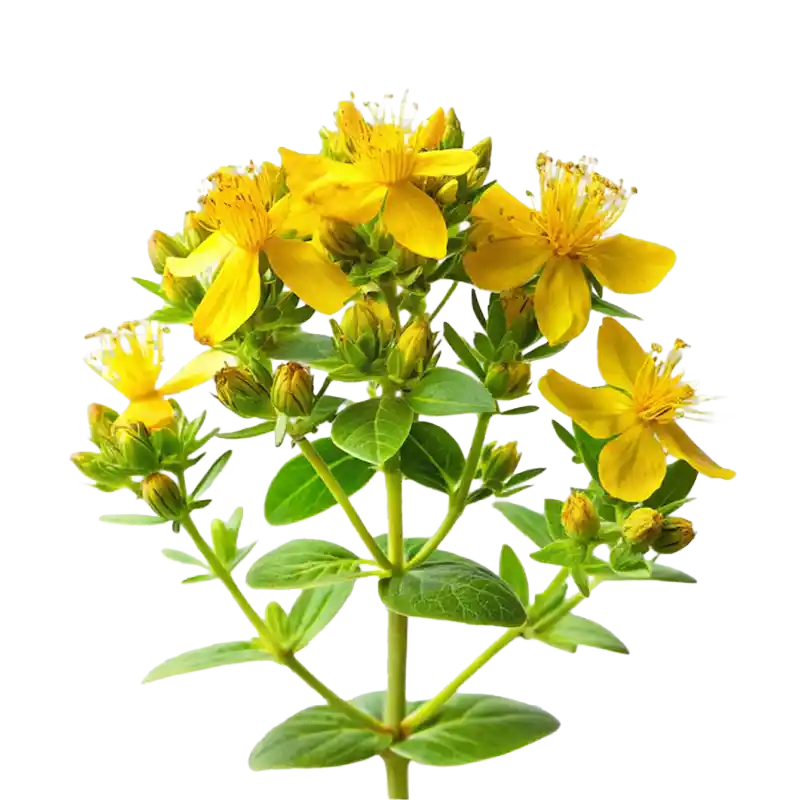
Genista sagittalis (winged broom, Genistella sagittalis) is a low broom with distinctive winged stems, related to dyer's greenweed. It contains antioxidant isoflavones (genistein-type) and, like other brooms, quinolizidine alkaloids, so it is used cautiously.الوَزّال المجنّح (Genista sagittalis، وتُعرَف Genistella sagittalis) وَزّالٌ منخفض بسيقانٍ مجنّحة مميّزة، قريبٌ من القُنَّيْبة الصبّاغية. ويحوي آيزوفلافونات مضادة للأكسدة (من نوع الجينيستين) و— كسائر الوَزّال — قلويدات كينوليزيدينية، فيُستعمل بحذر.
Categoryالفئة
• Broom relative — isoflavone source
• Antioxidant
• Phytoestrogen (isoflavones)
• Diuretic (traditional)
• Contains quinolizidine alkaloids• قريبٌ للوَزّال — مصدر آيزوفلافون
• مضاد للأكسدة
• إستروجين نباتي (آيزوفلافونات)
• مُدرّ للبول (تقليدي)
• يحوي قلويدات كينوليزيدينية
Habitatالموطن
A low, mat-forming shrub with flat, winged green stems and yellow pea-flowers, on grassland and heaths of central and southern Europe.شُجيرةٌ منخفضة سجّادية بسيقانٍ خضراء مسطّحة مجنّحة وأزهارٍ فراشية صفراء، في المروج والأراضي الخلنجية بوسط وجنوب أوروبا.
Parts usedالأجزاء المستخدمة
• Flowering tops
• Aerial parts• القمم المزهرة
• الأجزاء الهوائية
Key constituentsالمكوّنات الفعّالة
• Isoflavones (genistein-type)
• Flavonoids
• Quinolizidine alkaloids (cytisine-type)
• Phenolic acids• آيزوفلافونات (من نوع الجينيستين)
• فلافونويدات
• قلويدات كينوليزيدينية (من نوع السيتيزين)
• أحماض فينولية
Researchالأبحاث
A comparative study found Genista sagittalis, like Genista tinctoria, is rich in polyphenols and isoflavones with antioxidant activity, and it is a documented source of isoflavones such as genistein. Its whole-plant traditional uses are little studied, and the quinolizidine alkaloids limit safe internal dosing.وجدت دراسةٌ مقارنة أن الوَزّال المجنّح، كالقُنَّيْبة الصبّاغية، غنيٌّ بالبوليفينولات والآيزوفلافونات ذات النشاط المضاد للأكسدة، وهو مصدرٌ موثّق لآيزوفلافوناتٍ كالجينيستين. واستعمالاته التقليدية للنبتة كاملةً قليلة الدراسة، وتحدّ القلويدات الكينوليزيدينية الجرعة الداخلية الآمنة.
Published researchأبحاث منشورة
Traditional useالاستخدام التقليدي
Used in European folk medicine like other brooms — as a diuretic and mild laxative for water retention and the kidneys, and for the circulation.يُستعمل في الطبّ الشعبي الأوروبي كسائر الوَزّال — مُدرّاً ومليّناً خفيفاً لاحتباس الماء والكلى، وللدورة.
Current useالاستخدام الحالي
Chiefly of research interest as an isoflavone source; limited traditional use.مهمٌّ أساساً بحثياً مصدراً للآيزوفلافون؛ واستعماله التقليدي محدود.
Preparationsالتحضيرات
Traditional infusionنقيع تقليدي
Used for these conditionsيُستخدم لهذه الحالات
Adult dosageجرعة البالغين
No standardised safe dose — traditional amounts only, cautiously.لا جرعة آمنة موحّدة — كميات تقليدية فقط وبحذر.
Child dosageجرعة الأطفال
Not for children.لا يُستعمل للأطفال.
Cautionتحذيرات
Contains cytisine-type quinolizidine alkaloids — large doses can cause nausea, vomiting and nerve effects, so avoid strong internal use. As a phytoestrogen it may not suit hormone-sensitive conditions. Best regarded as a research/isoflavone plant rather than a home remedy.يحوي قلويدات كينوليزيدينية من نوع السيتيزين — قد تسبّب الجرعات الكبيرة غثياناً وقيئاً وتأثيراتٍ عصبية، فتجنّب الاستعمال الداخلي القويّ. وكإستروجينٍ نباتي قد لا يناسب الحالات الحسّاسة للهرمونات. والأفضل عدّه نبتة بحث/آيزوفلافون لا علاجاً منزلياً.
Pregnancy & nursingالحمل والرضاعة
Avoid in pregnancy — phytoestrogen and alkaloid content.يُتجنَّب في الحمل — لمحتوى الإستروجين النباتي والقلويدات.


