Introductionمقدّمة
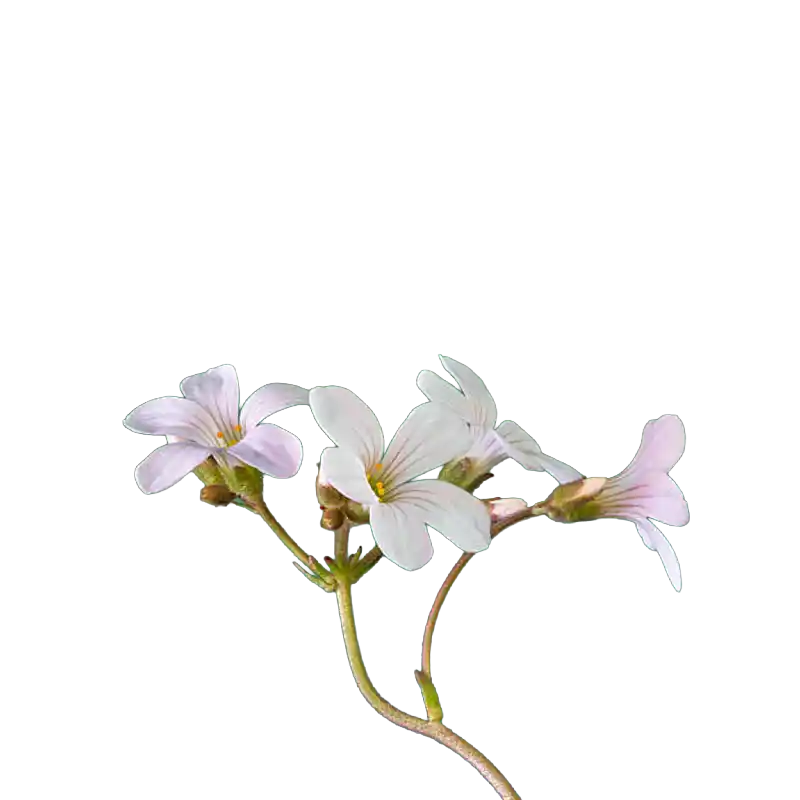
Saxifraga granulata (meadow saxifrage) is a spring meadow flower with tiny root-bulbils. Its name ('saxifraga' = stone-breaker) reflects its old reputation, by the doctrine of signatures, as a remedy for kidney and bladder stones and as a diuretic — though this is traditional rather than proven.كاسر الحجر المرجيّ (Saxifraga granulata) زهرة مروجٍ ربيعية بدُريناتٍ جذرية صغيرة. واسمها (saxifraga = كاسر الحجر) يعكس سمعتها القديمة، بمذهب التوقيعات، دواءً لحصى الكلى والمثانة ومُدرّاً — وإن كان ذلك تقليدياً لا مثبتاً.
Categoryالفئة
• 'Stone-breaker' bulbous flower
• Traditional kidney/bladder-stone herb
• Diuretic (folk)
• Antioxidant (genus)
• Little studied• زهرة درنية «كاسرة للحجر»
• عشبة حصى كلى/مثانة تقليدية
• مُدرّ للبول (شعبي)
• مضاد للأكسدة (الجنس)
• قليلة الدراسة
Habitatالموطن
A perennial with kidney-shaped basal leaves, tiny bulbils and white five-petalled flowers, in dry meadows and grassland across Europe.نبتةٌ مُعمّرة بأوراقٍ قاعدية كلوية الشكل ودُريناتٍ صغيرة وأزهارٍ بيضاء خماسية البتلات، في المروج الجافّة عبر أوروبا.
Parts usedالأجزاء المستخدمة
• Whole plant (with bulbils)
• Aerial parts• النبتة كاملة (مع الدُّرينات)
• الأجزاء الهوائية
Key constituentsالمكوّنات الفعّالة
• Flavonoids
• Tannins
• Phenolic acids
• Bergenin-type compounds (saxifrage genus)• فلافونويدات
• عفص
• أحماض فينولية
• مركّبات من نوع البيرجينين (جنس كاسر الحجر)
Researchالأبحاث
Meadow saxifrage itself is little studied pharmacologically; its 'stone-breaking' reputation comes from the doctrine of signatures (its bulbils resemble small stones) rather than clinical proof. The saxifrage genus contains antioxidant flavonoids and bergenin-type compounds, and some relatives (e.g. Bergenia) have anti-stone research, but robust data for this species are lacking.كاسر الحجر المرجيّ نفسه قليل الدراسة دوائياً؛ وسمعته «الكاسرة للحجر» تأتي من مذهب التوقيعات (دُريناته تُشبه حصىً صغيرة) لا من دليلٍ سريري. ويحوي جنس كاسر الحجر فلافونويدات مضادة للأكسدة ومركّبات من نوع البيرجينين، ولبعض الأقارب (كالبيرجينيا) بحثٌ مضاد للحصى، لكن تنقص بياناتٌ متينة لهذا النوع.
Published researchأبحاث منشورة
Traditional useالاستخدام التقليدي
Used in old European herbals for kidney and bladder 'gravel' and stones, as a diuretic and for urinary complaints, and as a mild astringent — the use resting on its stone-like bulbils (doctrine of signatures).تُستعمل في الأعشاب الأوروبية القديمة لـ«حصباء» الكلى والمثانة والحصى، ومُدرّاً وللشكاوى البولية، وقابضاً خفيفاً — والاستعمال قائمٌ على دُريناتها الشبيهة بالحجر (مذهب التوقيعات).
Current useالاستخدام الحالي
Rarely used today; of mainly historical and botanical interest.نادرة الاستعمال اليوم؛ ذات أهمية تاريخية ونباتية أساساً.
Preparationsالتحضيرات
Dried-plant infusionنقيع نبتة مجفّفة
Used for these conditionsيُستخدم لهذه الحالات
Adult dosageجرعة البالغين
Infusion of the dried plant in small traditional amounts, with plenty of water.نقيع النبتة المجفّفة بكميات تقليدية صغيرة، مع ماءٍ وفير.
Child dosageجرعة الأطفال
Not recommended medicinally for children.لا يُنصَح به دوائياً للأطفال.
Cautionتحذيرات
Little modern safety data exist, and its stone-dissolving reputation is traditional, not proven — do not rely on it for kidney or bladder stones, which need medical care. It is a plant of unspoilt meadows and is declining in many areas, so avoid wild collection. Use only modest amounts.تقلّ بيانات الأمان الحديثة، وسمعتها في إذابة الحصى تقليدية لا مثبتة — لا تعتمد عليها لحصى الكلى أو المثانة التي تحتاج رعايةً طبية. وهي نبتة مروجٍ نقية متراجعة في كثيرٍ من المناطق، فتجنّب الجمع البرّي. استعمِل كميات معتدلة فقط.
Pregnancy & nursingالحمل والرضاعة
Little data — avoid medicinal use in pregnancy.بياناتٌ قليلة — يُتجنَّب الاستعمال الدوائي في الحمل.