Introductionمقدّمة
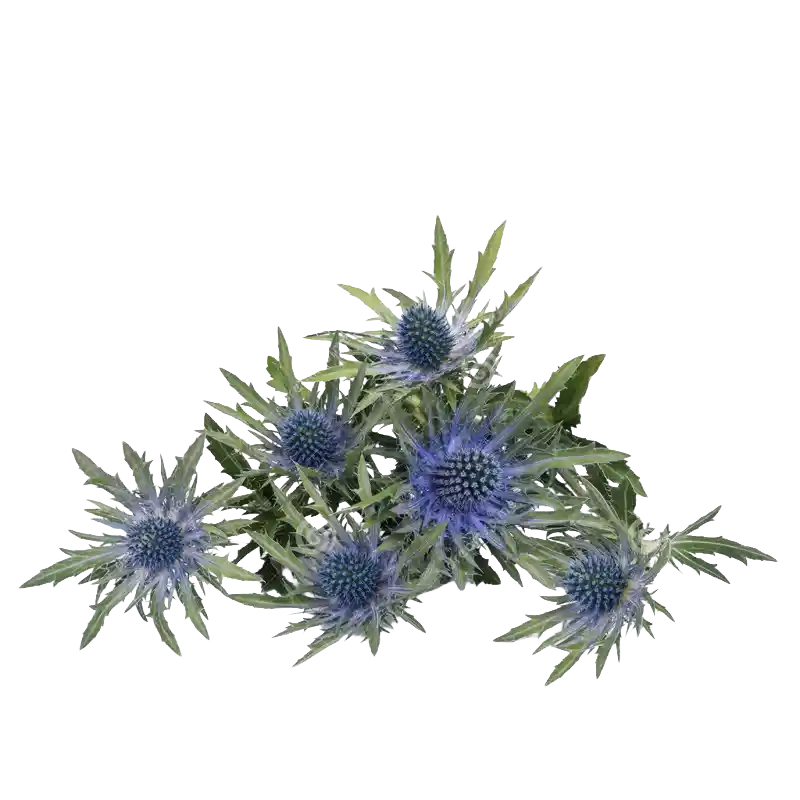
Eryngium campestre (field eryngo) is a spiny, thistle-like umbellifer whose root is used in Mediterranean folk medicine as a diuretic and for the urinary tract, chest and inflammation. Its saponins and polyphenols give diuretic, antioxidant and anti-inflammatory activity.القُرّاص الحقلي (Eryngium campestre) خيميّةٌ شائكة شبيهة بالشوك جذرها يُستعمل في الطبّ الشعبي المتوسّطي مُدرّاً وللمسالك البولية والصدر والالتهاب. وتمنحه صابونيناته وبوليفينولاته نشاطاً مُدرّاً ومضاداً للأكسدة والالتهاب.
Categoryالفئة
• Spiny umbellifer — 'sea holly' relative
• Diuretic (traditional)
• Antioxidant
• Anti-inflammatory
• Expectorant (traditional)• خيميّةٌ شائكة — قريبة «شوك البحر»
• مُدرّ للبول (تقليدي)
• مضاد للأكسدة
• مضاد للالتهاب
• مُقشِّع (تقليدي)
Habitatالموطن
A spiny, blue-green perennial with globular flowerheads, on dry grassland, roadsides and stony ground across Europe and the Mediterranean.نبتةٌ مُعمّرة شائكة زرقاء مخضرّة بنوراتٍ كروية، في المروج الجافّة وحواف الطرق والأرض الحجرية عبر أوروبا والمتوسّط.
Parts usedالأجزاء المستخدمة
• Root
• Aerial parts• الجذر
• الأجزاء الهوائية
Key constituentsالمكوّنات الفعّالة
• Triterpene saponins
• Flavonoids
• Phenolic acids (rosmarinic, chlorogenic)
• Essential oil• صابونينات تريتربينية
• فلافونويدات
• أحماض فينولية (روزمارينيك، كلوروجينيك)
• زيتٌ طيّار
Researchالأبحاث
Studies of Eryngium campestre report antioxidant and anti-inflammatory activity and a rich content of triterpene saponins and polyphenols (rosmarinic acid), consistent with its traditional diuretic and expectorant uses. The genus is well documented pharmacologically, though clinical data for this species are limited.تذكر دراسات القُرّاص الحقلي نشاطاً مضاداً للأكسدة والالتهاب ومحتوىً غنياً بالصابونينات التريتربينية والبوليفينولات (حمض الروزمارينيك)، بما يتّسق مع استعمالاته المُدرّة والمُقشِّعة التقليدية. والجنس موثّقٌ جيداً دوائياً، وإن كانت البيانات السريرية لهذا النوع محدودة.
Published researchأبحاث منشورة
Traditional useالاستخدام التقليدي
Used around the Mediterranean as a diuretic for the urinary tract, stones and water retention, an expectorant for coughs and the chest, and for inflammation and the digestion; the young shoots are sometimes eaten.يُستعمل حول المتوسّط مُدرّاً للمسالك والحصى واحتباس الماء، ومُقشِّعاً للسعال والصدر، وللالتهاب والهضم؛ وتُؤكَل البراعم الفتيّة أحياناً.
Current useالاستخدام الحالي
Used as a root decoction in traditional urinary and chest remedies; studied for its saponins and antioxidants.يُستعمل مغليّ جذر في العلاجات البولية والصدرية التقليدية؛ ويُدرَس لصابونيناته ومضادات أكسدته.
Preparationsالتحضيرات
Root decoction, Infusionمغليّ جذر، نقيع
Used for these conditionsيُستخدم لهذه الحالات
Adult dosageجرعة البالغين
Root decoction, roughly 1–2 g per cup, with plenty of water.مغليّ جذر، نحو 1–2 غ للكوب، مع ماءٍ وفير.
Child dosageجرعة الأطفال
Not generally used medicinally for children.لا يُستعمل عادةً دوائياً للأطفال.
Cautionتحذيرات
Generally well tolerated. As a diuretic, drink plenty of water and use short-term; it may add to diuretic medicines. The saponins can mildly irritate the stomach in large doses. Correctly identify it, as it is a spiny plant handled with care.جيّد التحمّل عموماً. وكمُدرّ، اشرب ماءً وفيراً واستعمِله قصير الأمد؛ وقد يُضاف إلى مُدرّات البول. وقد تُهيّج الصابونينات المعدة قليلاً بالجرعات الكبيرة. تعرّف عليه بدقّة، فهو نبتةٌ شائكة تُتناوَل بحذر.
Pregnancy & nursingالحمل والرضاعة
Avoid medicinal doses in pregnancy — not established as safe.تُتجنَّب الجرعات الدوائية في الحمل — غير مثبتة الأمان.