Introductionمقدّمة
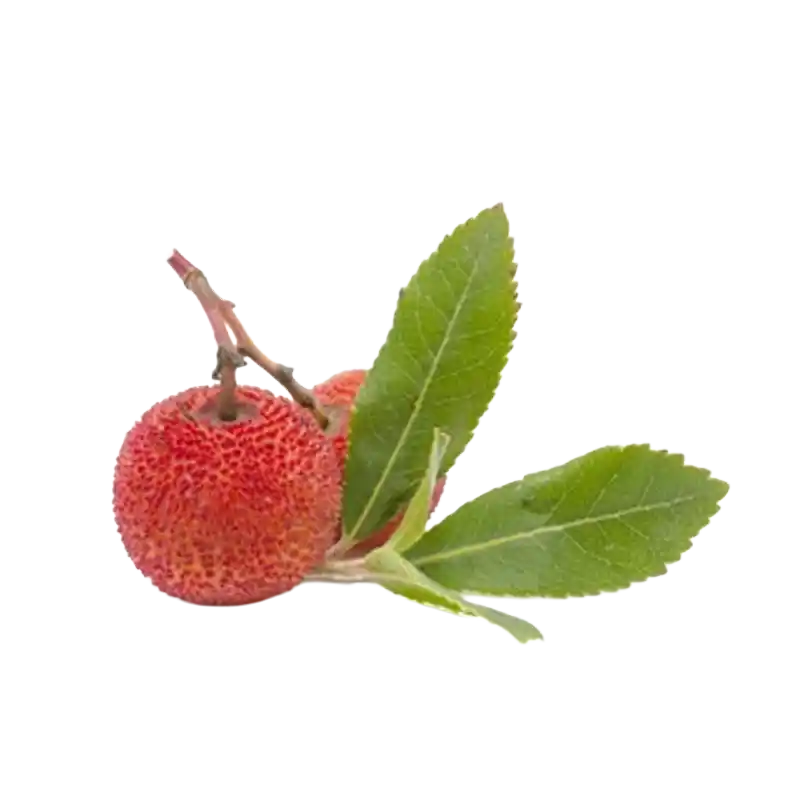
Arbutus andrachne (Greek strawberry tree, qatlab) is an eastern-Mediterranean tree with edible red berries. Its arbutin- and tannin-rich leaves are used as a urinary antiseptic and astringent, and its extracts show antioxidant activity.القُطلَب اليوناني (Arbutus andrachne) شجرةٌ شرق متوسّطية بثمارٍ حمراء صالحة للأكل. وتُستعمل أوراقها الغنيّة بالأربوتين والعفص مطهّراً بولياً وقابضاً، وتُظهِر مستخلصاتها نشاطاً مضاداً للأكسدة.
Categoryالفئة
• Strawberry-tree relative
• Urinary antiseptic (arbutin)
• Antioxidant
• Astringent — diarrhoea & throat
• Edible fruit• قريبٌ لشجرة الفراولة
• مطهّر بولي (أربوتين)
• مضاد للأكسدة
• قابض — للإسهال والحلق
• ثمرٌ صالح للأكل
Habitatالموطن
An evergreen tree with smooth, peeling reddish bark, on rocky Mediterranean hillsides in the Levant, Anatolia and Greece.شجرةٌ دائمة الخُضرة بلحاءٍ أملس مُتقشّر محمرّ، في سفوح المتوسّط الصخرية في الشام والأناضول واليونان.
Parts usedالأجزاء المستخدمة
• Leaves
• Fruit (edible)
• Bark (traditional)• الأوراق
• الثمر (صالح للأكل)
• اللحاء (تقليدي)
Key constituentsالمكوّنات الفعّالة
• Arbutin
• Tannins
• Flavonoids
• Phenolic acids
• Vitamin C (fruit)• أربوتين
• عفص
• فلافونويدات
• أحماض فينولية
• فيتامين C (الثمر)
Researchالأبحاث
Studies of Arbutus andrachne fruit and leaf extracts report antioxidant and antiproliferative activity and a useful phenolic/arbutin profile, while wider Arbutus research supports urinary-antiseptic and astringent uses. The berries are a nutritious edible fruit. Most medicinal data are laboratory-based.تذكر دراسات مستخلصات ثمر وأوراق القُطلَب اليوناني نشاطاً مضاداً للأكسدة ومضاداً للتكاثر ومحتوىً فينولياً/أربوتينياً مفيداً، بينما يدعم بحث القُطلَب الأوسع الاستعمالات المطهّرة البولية والقابضة. والثمار غذاءٌ صالح مغذٍّ. ومعظم البيانات الدوائية مخبرية.
Published researchأبحاث منشورة
Traditional useالاستخدام التقليدي
Used in the eastern Mediterranean as a urinary antiseptic and diuretic, an astringent for diarrhoea and sore throat, and the ripe berries eaten as food.يُستعمل في شرق المتوسّط مطهّراً بولياً ومُدرّاً، وقابضاً للإسهال والتهاب الحلق، وتُؤكَل الثمار الناضجة طعاماً.
Current useالاستخدام الحالي
Leaf tea used for the urinary tract; the fruit eaten fresh or made into preserves.شاي الأوراق يُستعمل للمسالك؛ والثمر يُؤكَل طازجاً أو يُصنَع مربّى.
Preparationsالتحضيرات
Leaf infusion, Fresh fruit, Preserveنقيع أوراق، ثمر طازج، مربّى
Used for these conditionsيُستخدم لهذه الحالات
Adult dosageجرعة البالغين
Leaf infusion 1.5–2 g, 2–3 times daily, short-term, with plenty of water.نقيع أوراق 1.5–2 غ، 2–3 مرات يومياً، قصير الأمد، مع ماءٍ وفير.
Child dosageجرعة الأطفال
Fruit as food is fine; leaf tea not recommended for young children.الثمر طعاماً مقبول؛ وشاي الأوراق لا يُنصَح لصغار الأطفال.
Cautionتحذيرات
The leaves are astringent and best used short-term for the urinary tract. High tannin intake can upset the stomach and reduce iron absorption. Eating a very large quantity of the fruit can be mildly laxative. See a doctor for urinary infections with fever.الأوراق قابضة والأفضل استعمالها قصير الأمد للمسالك. وتناول العفص الكثير قد يُزعِج المعدة ويقلّل امتصاص الحديد. وأكل كمّية كبيرة جداً من الثمر قد يكون مليّناً خفيفاً. راجع الطبيب لعدوى المسالك المصحوبة بحمّى.
Pregnancy & nursingالحمل والرضاعة
Avoid arbutin-rich leaf preparations in pregnancy; the fruit is fine as food.تُتجنَّب تحضيرات الأوراق الغنيّة بالأربوتين في الحمل؛ والثمر مقبول طعاماً.