Introductionمقدّمة
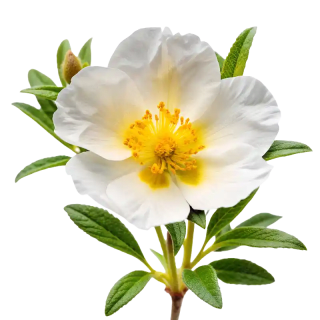
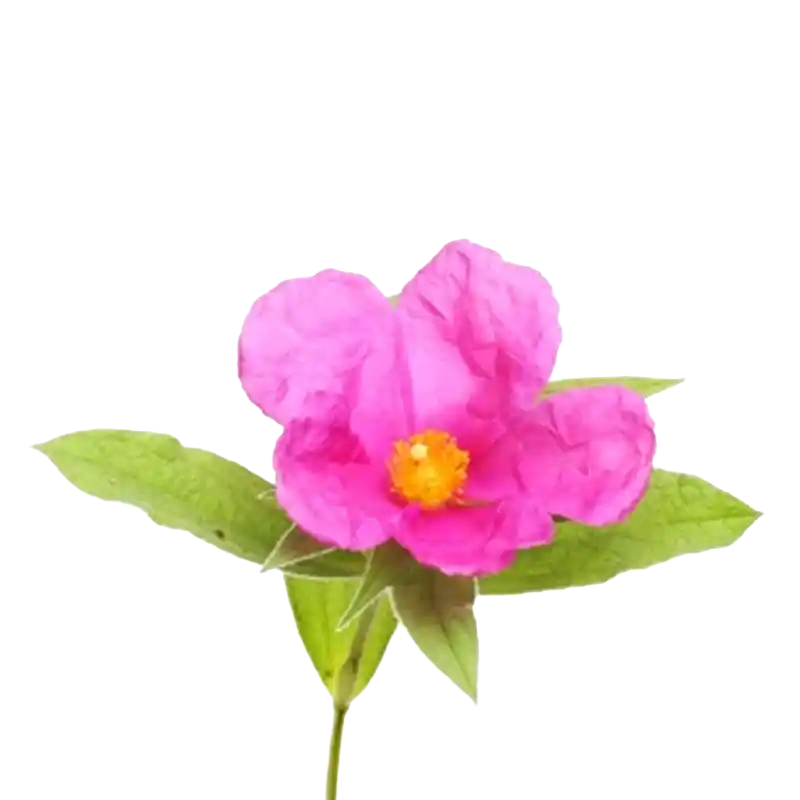
Cistus incanus (pink rock-rose) is a polyphenol-rich Mediterranean shrub taken as a herbal tea, studied for antioxidant, antimicrobial and antiviral effects and for soothing the throat and upper airways.القِسطُس الورديّ (Cistus incanus) شُجيرةٌ متوسّطية غنيّة بالبوليفينولات تُشرَب شاياً عشبياً، دُرست لتأثيراتها المضادة للأكسدة والميكروبات والفيروسات ولتلطيف الحلق والمجاري التنفّسية العلوية.
Categoryالفئة
• Rich in polyphenols
• Antiviral / antimicrobial (preclinical)
• Antioxidant
• Upper-respiratory support
• Oral / gum health• غنيّ بالبوليفينولات
• مضاد للفيروسات/الميكروبات (أوّلي)
• مضاد للأكسدة
• دعمٌ للجهاز التنفّسي العلوي
• صحّة الفم واللثة
Habitatالموطن
A hairy, pink-flowered evergreen shrub of dry, rocky Mediterranean hillsides.شُجيرةٌ دائمة الخُضرة مزغّبة ورديّة الأزهار في السفوح المتوسّطية الجافّة الصخرية.
Parts usedالأجزاء المستخدمة
• Leaves
• Aerial parts / flowering tops• الأوراق
• الأجزاء الهوائية/القمم المزهرة
Key constituentsالمكوّنات الفعّالة
• Polyphenols
• Flavonoids (quercetin, myricetin glycosides)
• Proanthocyanidins (condensed tannins)
• Ellagitannins
• Essential oil• بوليفينولات
• فلافونويدات (كورسيتين، غليكوزيدات ميريسيتين)
• بروأنثوسيانيدينات (عفص متكثّف)
• إيلاجيتانينات
• زيتٌ طيّار
Researchالأبحاث
A randomised placebo-controlled trial found a Cistus incanus extract (CYSTUS052) reduced upper-respiratory-infection symptoms. Laboratory work shows the polyphenols block viral entry (influenza, HIV, Ebola envelope proteins in vitro) and inhibit bacteria; these lab findings are promising but not proof of cure in people.وجدت تجربةٌ عشوائية مضبوطة بالغُفل أن مستخلص القِسطُس (CYSTUS052) خفّف أعراض عدوى الجهاز التنفّسي العلوي. وتُظهِر أعمال المختبر أن البوليفينولات تمنع دخول الفيروسات (بروتينات غلاف الإنفلونزا وفيروس العوز المناعي والإيبولا مخبرياً) وتثبّط الجراثيم؛ وهذه نتائج مخبرية واعدة لا تُعدّ دليل شفاءٍ في الإنسان.
Published researchأبحاث منشورة
Traditional useالاستخدام التقليدي
Long used around the Mediterranean as a healthful herbal tea and gargle for the mouth, throat and colds, and topically for the skin.استُعمل طويلاً حول المتوسّط شاياً عشبياً صحّياً وغرغرةً للفم والحلق والزكام، وموضعياً للجلد.
Current useالاستخدام الحالي
Popular as 'Cistus tea' and in lozenges/extracts for throat comfort, oral health and general antioxidant support.شائعٌ باسم «شاي القِسطُس» وفي أقراص المصّ/المستخلصات لراحة الحلق وصحّة الفم والدعم المضاد للأكسدة عموماً.
Preparationsالتحضيرات
Herbal tea, Lozenge, Extract, Gargleشاي عشبي، أقراص مصّ، مستخلص، غرغرة
Used for these conditionsيُستخدم لهذه الحالات
Adult dosageجرعة البالغين
Commonly 1–2 g dried leaf as tea, 1–3 times daily, or per product label.عادةً 1–2 غ أوراق مجفّفة شاياً، 1–3 مرات يومياً، أو بحسب إرشاد المنتج.
Child dosageجرعة الأطفال
Mild tea occasionally is generally acceptable for older children.شايٌ خفيف أحياناً مقبولٌ عموماً للأطفال الأكبر.
Cautionتحذيرات
Generally well tolerated. The tannins are astringent and can cause mild stomach upset or reduce absorption of iron and some medicines if taken at the same time — separate by a couple of hours.جيّد التحمّل عموماً. والعفص قابض وقد يسبّب انزعاجاً معوياً خفيفاً أو يقلّل امتصاص الحديد وبعض الأدوية إن تُنووِل معها — افصِل بينهما ساعتين.
Pregnancy & nursingالحمل والرضاعة
Culinary/tea amounts likely fine; avoid concentrated extracts in pregnancy without advice.كميات الشاي/الطعام غالباً مقبولة؛ وتُتجنَّب المستخلصات المركّزة في الحمل دون استشارة.