Introductionمقدّمة
Melia toosendan — Sichuan chinaberry fruit, Chuanlianzi — is a Chinese-medicine fruit used for liver-qi pain, hernia pain and worms; importantly, it contains toosendanin and is toxic to the liver — dose and processing are critical.ثمرة الأزدرخت السيشوانية (Melia toosendan) — «تشوان ليان تسي» — ثمرةٌ في الطبّ الصيني تُستعمل لألم «طاقة الكبد» وألم الفتق والديدان؛ والمهمّ أنها تحوي «توسيندانين» وهي سامّة للكبد — والجرعة والمعالجة حاسمتان.
Categoryالفئة
• “Moves qi” / pain (liver) (TCM)
• Analgesic
• Anthelmintic
• Anti-inflammatory
• HEPATOTOXIC / TOXIC — caution• «يُحرّك الطاقة» / للألم (الكبد) (طبّ صيني)
• مسكّن
• طاردٌ للديدان
• مضاد للالتهاب
• سامٌّ للكبد / سامّ — حذر
Habitatالموطن
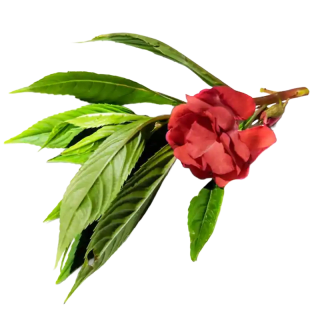
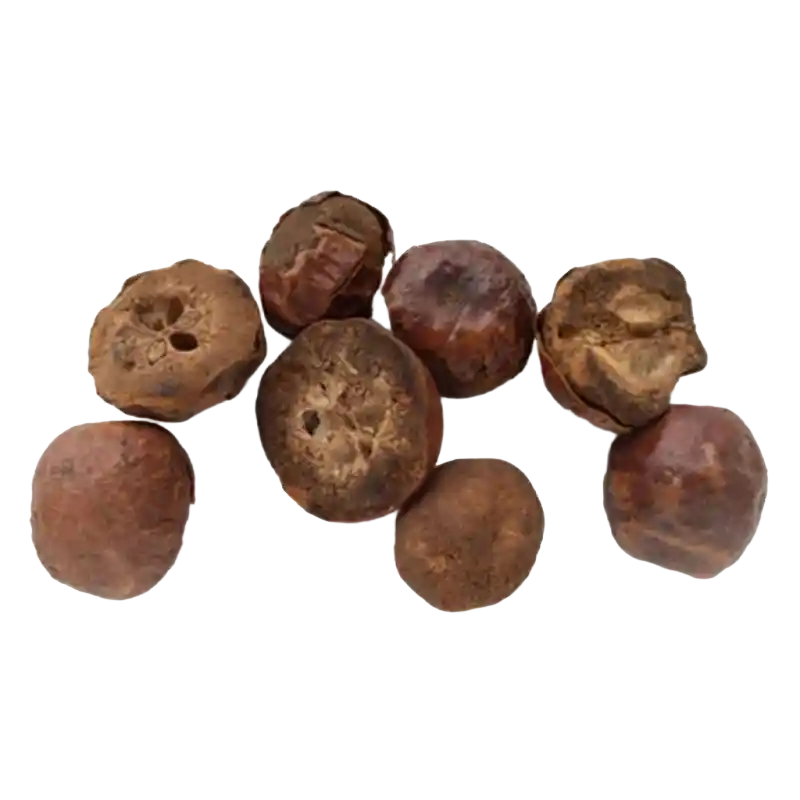
A chinaberry tree of China, whose yellow fruit is used medicinally.شجرة أزدرخت في الصين، تُستعمل ثمرتها الصفراء دواءً.
Parts usedالأجزاء المستخدمة
• Fruit
• Bark (kulianpi)• الثمرة
• اللحاء (كو ليان بي)
Key constituentsالمكوّنات الفعّالة
• Toosendanin (limonoid — TOXIC)
• Other limonoids
• Triterpenes
• Sterols• توسيندانين (ليمونويد — سامّ)
• ليمونويدات أخرى
• تربينات ثلاثية
• ستيرولات
Researchالأبحاث
The fruit’s toosendanin has analgesic, anti-inflammatory, anthelmintic and anticancer effects in the lab, but is also a well-documented liver toxin: animal studies and case data show it can cause dose-dependent liver injury (and it is neurotoxic in overdose). It must be used processed, in low doses, short-term.لمركّب الثمرة «التوسيندانين» تأثيراتٌ مسكّنة ومضادة للالتهاب وطاردة للديدان ومضادة للسرطان مخبرياً، لكنه أيضاً سُمٌّ كبديّ موثّق: تُظهر دراسات الحيوان وبيانات الحالات أنه قد يُسبّب أذى كبدياً مرتبطاً بالجرعة (وسامّ للأعصاب بالجرعة المفرطة). ويجب استعماله مُعالَجاً بجرعاتٍ منخفضة لأمدٍ قصير.
Traditional useالاستخدام التقليدي
Used in Chinese medicine for liver-qi stagnation pain (rib, stomach, hernia and testicular pain), and for intestinal worms; the bark is used for parasites.تُستعمل في الطبّ الصيني لألم ركود «طاقة الكبد» (الأضلاع والمعدة والفتق والخصية) والديدان المعوية؛ ويُستعمل اللحاء للطفيليات.
Current useالاستخدام الحالي
Used only as the processed fruit within formulas, in low short-term doses, under a qualified practitioner.لا تُستعمل إلا ثمرةً مُعالَجة ضمن التركيبات، بجرعاتٍ منخفضة قصيرة الأمد، بإشراف مختصّ مؤهّل.
Preparationsالتحضيرات
Processed fruit (formula only)ثمرة مُعالَجة (ضمن تركيبة فقط)
Used for these conditionsيُستخدم لهذه الحالات
Adult dosageجرعة البالغين
Only the low traditional dose of processed fruit, short-term, under a qualified practitioner.لا تُستعمل إلا بالجرعة التقليدية المنخفضة من الثمرة المُعالَجة، لأمدٍ قصير، بإشراف مختصّ مؤهّل.
Child dosageجرعة الأطفال
Do NOT use in children — risk of poisoning.لا يُستعمل للأطفال — خطر التسمّم.
Cautionتحذيرات
WARNING: this fruit contains toosendanin, a liver toxin that is also neurotoxic in overdose. Excess or prolonged use has caused liver injury, and poisoning (nausea, dizziness, breathing and heart effects) can occur. Use ONLY the processed fruit in low doses, short-term, under a qualified practitioner — never self-dose, and never the raw fruit or seeds. Avoid in pregnancy, children, and liver disease.تحذير: تحوي هذه الثمرة «توسيندانين»، سُمّاً كبدياً وسامّاً للأعصاب بالجرعة المفرطة. وسبّب الإفراط أو الاستعمال المطوّل أذىً كبدياً، وقد يحدث تسمّم (غثيان ودوخة وتأثيراتٌ تنفّسية وقلبية). لا تُستعمل إلا الثمرة المُعالَجة بجرعاتٍ منخفضة لأمدٍ قصير بإشراف مختصّ مؤهّل — لا جرعة ذاتية، ولا الثمرة أو البذور النيّئة. ويُتجنَّب في الحمل والأطفال ومرض الكبد.
Pregnancy & nursingالحمل والرضاعة
Do NOT use in pregnancy — toxic.لا يُستعمل في الحمل — سامّ.