Introductionمقدّمة
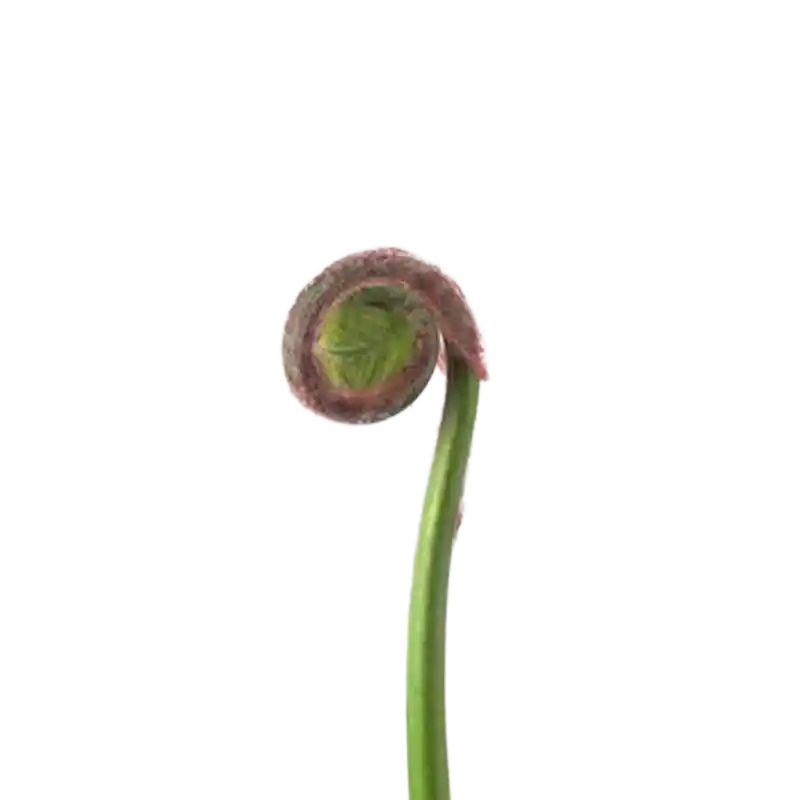
Osmunda japonica ('zi qi', Asian royal/flowering fern) is a fern whose rhizome is used in Chinese medicine to 'clear heat and resolve toxicity', expel intestinal worms and stop bleeding — for parasites, feverish 'toxic' conditions and bleeding, while the young fiddlehead shoots ('zenmai') are eaten as a cooked spring vegetable. Its flavonoids and phenolics give researched antiparasitic, haemostatic, antioxidant and antiviral activity. NOTE: like many ferns it contains thiaminase and is eaten cooked, not raw or in excess.السرخس الملكي الآسيوي (Osmunda japonica، «تسي تشي») سرخسٌ يُستعمل جذموره في الطبّ الصيني «لتنقية الحرارة وحلّ السميّة» وطرد الديدان المعوية وإيقاف النزف — للطفيليات والحالات «السامّة» الحُمّية والنزف، بينما تُؤكل براعمه الفتيّة الملفوفة («زِنماي») خضاراً ربيعية مطبوخة. وفلافونويداته وفينولاته تمنح نشاطاً مدروساً مضاداً للطفيليات ومرقّئاً ومضاداً للأكسدة والفيروسات. ملاحظة: كالكثير من السرخسيات يحوي الثيامينيز ويُؤكل مطبوخاً لا نيّئاً ولا بإفراط.
Categoryالفئة
• Heat-clearing, bleeding-stopping fern (Osmundaceae) ⚠️
• 'Zi qi'/Osmunda — worm-expelling & haemostatic fern
• Antiparasitic, haemostatic & antiviral (studied)
• Antioxidant & anti-inflammatory
• ⚠️ Fern (thiaminase risk raw) — cook young shoots, avoid overuse• سرخس منقٍّ للحرارة موقف للنزف (الفصيلة الأوزموندية) ⚠️
• «تسي تشي»/الأوزموندا — سرخس طارد للديدان ومرقّئ
• مضاد للطفيليات ومرقّئ ومضاد للفيروسات (مدروس)
• مضاد للأكسدة والالتهاب
• ⚠️ سرخس (خطر الثيامينيز نيّئاً) — تُطهى البراعم الفتيّة ويُتجنّب الإفراط
Habitatالموطن
A fern of damp woods, slopes and streamsides in East Asia; the rhizome is medicinal and the young shoots are a food.سرخس في الغابات الرطبة والمنحدرات وضفاف الجداول بشرق آسيا؛ الجذمور طبّي والبراعم الفتيّة غذاء.
Parts usedالأجزاء المستخدمة
• Rhizome (medicinal)
• Young shoots (cooked food)• الجذمور (طبّي)
• البراعم الفتيّة (غذاء مطبوخ)
Key constituentsالمكوّنات الفعّالة
• Flavonoids & phenolics
• Osmundalactone & related lactones
• Sterols & triterpenes
• Tannins
• Thiaminase (in raw fronds)• فلافونويدات وفينولات
• أوزمونداكتون ولاكتونات قريبة
• ستيرولات وتربينات ثلاثية
• تانينات
• ثيامينيز (في السعف النيّئ)
Researchالأبحاث
Osmunda japonica and the genus Osmunda are studied for antioxidant, anti-inflammatory, antiparasitic, haemostatic and antiviral activity, with flavonoids, phenolics and characteristic lactones identified as constituents; reviews cover the genus's ethnobotany, phytochemistry and pharmacology. Evidence is chiefly preclinical, consistent with its traditional worm-expelling, bleeding-stopping and heat-clearing use.يُدرَس السرخس الملكي الآسيوي وجنس الأوزموندا لنشاطٍ مضاد للأكسدة والالتهاب والطفيليات ومرقّئ ومضاد للفيروسات، مع تحديد فلافونويدات وفينولات ولاكتونات مميّزة مكوّناتٍ؛ وتغطّي المراجعات إثنونبات الجنس وكيمياءه وصيدلته. والأدلة أوّلية غالباً، متّسقة مع استعماله التقليدي الطارد للديدان الموقف للنزف المنقّي للحرارة.
Published researchأبحاث منشورة
Traditional useالاستخدام التقليدي
Rhizome decocted in Chinese medicine to 'clear heat and resolve toxicity', kill intestinal parasites and 'cool the blood to stop bleeding' — for roundworm and other worms, feverish epidemic/'toxic-heat' conditions, and bleeding such as heavy menstrual bleeding, blood in the stool and nosebleed; the young cooked shoots are also a traditional wild spring vegetable.يُغلى الجذمور في الطبّ الصيني «لتنقية الحرارة وحلّ السميّة» وقتل الطفيليات المعوية و«تبريد الدم لإيقاف النزف» — للأسكارس وديدان أخرى والحالات الوبائية/«الحارّة السامّة» الحُمّية والنزف كالنزف الحيضي الغزير ودم البراز والرعاف؛ والبراعم الفتيّة المطبوخة خضارٌ ربيعية برّية تقليدية كذلك.
Current useالاستخدام الحالي
A heat-clearing, worm-expelling and bleeding-stopping fern (zi qi) with researched antiparasitic, haemostatic and antioxidant activity; young shoots eaten cooked.سرخس منقٍّ للحرارة طارد للديدان موقف للنزف (تسي تشي) بنشاطٍ مدروس مضاد للطفيليات ومرقّئ ومضاد للأكسدة؛ وبراعمه الفتيّة تُؤكل مطبوخة.
Preparationsالتحضيرات
• Rhizome decoction
• Cooked young shoots (food)
• Haemostatic/worm formulas• مغلي الجذمور
• براعم فتيّة مطبوخة (غذاء)
• خلطات مرقّئة/للديدان
Used for these conditionsيُستخدم لهذه الحالات
Adult dosageجرعة البالغين
Rhizome decoction in modest traditional amounts per Chinese practice; young shoots always cooked (traditionally parboiled) before eating.مغلي الجذمور بكميات تقليدية معتدلة بحسب الممارسة الصينية؛ والبراعم الفتيّة تُطهى دائماً (تُسلَق تقليدياً) قبل الأكل.
Child dosageجرعة الأطفال
Used (in formulas) for children's worms under professional guidance; food shoots cooked.يُستعمل (في الخلطات) لديدان الأطفال بإرشاد مختصّ؛ وبراعم الغذاء مطبوخة.
Cautionتحذيرات
⚠️ As a fern it contains thiaminase (which destroys vitamin B1) and traces of other fern constituents, so the young shoots must be cooked (traditionally parboiled and soaked) before eating and neither shoots nor rhizome should be consumed raw or in large sustained amounts. Medicinal use of the rhizome is best kept short-term and, for worm-clearing, under guidance. Correctly identify the fern.⚠️ كسرخس يحوي الثيامينيز (المُتلِف لفيتامين B1) وآثاراً من مكوّنات سرخسية أخرى، فتُطهى البراعم الفتيّة (تُسلَق وتُنقَع تقليدياً) قبل الأكل ولا تُؤكل البراعم ولا الجذمور نيّئة أو بكميات كبيرة مستمرّة. والاستعمال العلاجي للجذمور يُفضَّل قصيراً، وللتخلّص من الديدان بإرشاد. ويُعرَّف السرخس بدقّة.
Pregnancy & nursingالحمل والرضاعة
⚠️ Blood-cooling, worm-expelling rhizome — best avoided in medicinal amounts during pregnancy without professional guidance.⚠️ جذمور مبرّد للدم طارد للديدان — الأفضل تجنّبه بكميات علاجية في الحمل دون إرشاد مختصّ.