Introductionمقدّمة
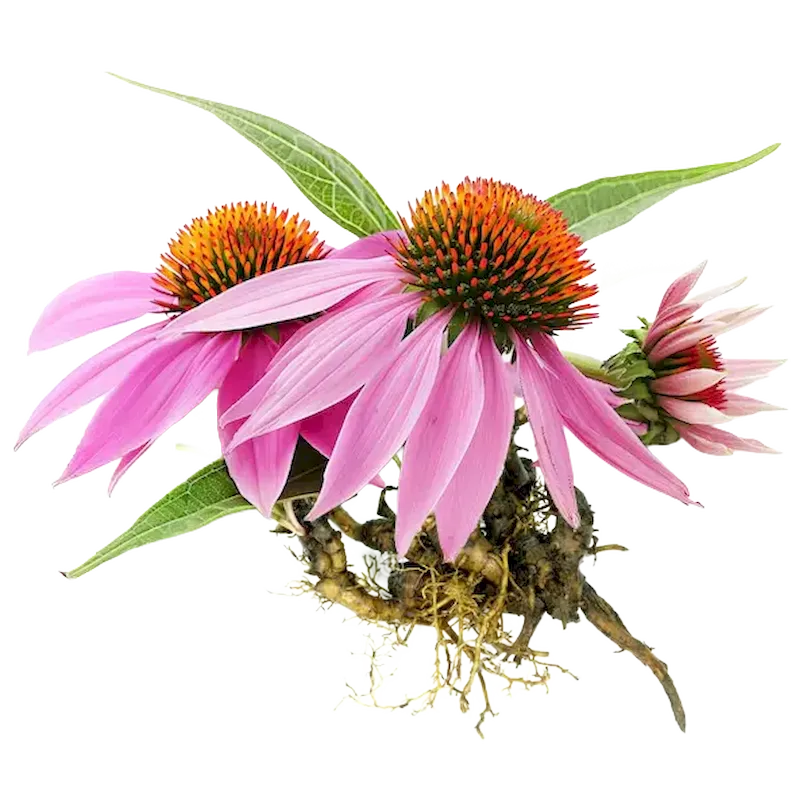
Echinacea, widely used for immune support, is a popular herb in herbal medicine, particularly for cold and flu prevention. يُعد نبات الإخناسيا، الذي يستخدم على نطاق واسع لدعم المناعة، عشبة شائعة في الطب العشبي، وخاصة للوقاية من نزلات البرد والإنفلونزا.
Categoryالفئة
• Immunostimulant
• Anti-inflammatory
• Antiviral• محفز للمناعة
• مضاد للالتهابات
• مضاد للفيروسات
Habitatالموطن
Native to North America, Echinacea thrives in prairies and open wooded areas. It prefers well-drained soil. موطنها الأصلي أمريكا الشمالية، وتزدهر نبتة الإشنسا في البراري والمناطق الحرجية المفتوحة. وهي تفضل التربة جيدة التصريف.
Parts usedالأجزاء المستخدمة
• Roots
• Flowers
• Leaves• الجذور
• الأزهار
• الأوراق
Key constituentsالمكوّنات الفعّالة
• Alkamides (isobutylamides / alkylamides — primary immunostimulant compounds, e.g. undeca-2E,4E,8Z,10Z-tetraenoic acid isobutylamide)
• Polysaccharides (echinacin / heteroxylan / arabinogalactan — immunomodulatory)
• Glycoproteins (arabinogalactan proteins)
• Caffeic acid derivatives (echinacoside, chicoric acid / cichoric acid, caftaric acid, chlorogenic acid)
• Cynarin (dicaffeoylquinic acid)
• Flavonoids (quercetin, kaempferol, luteolin, isorhamnetin)
• Essential oils (borneol, caryophyllene, germacrene D)
• Polyacetylenes (ketoalkenes, ketoalkynes)
• Betaine
• Phytosterols (beta-sitosterol, stigmasterol)
• Inulin (fructooligosaccharide)
• Resins
• Minerals (iron, calcium, zinc)• الألكاميدات (أيزوبوتيل أميدات / ألكيل أميدات - مركبات محفزة للمناعة، مثل أونديكا-2E،4E،8Z،10Z-حمض تيتراينويك أيزوبوتيل أميد)
• عديدات السكاريد (إكيناسين / هيتروكسيلان / أرابينوجالاكتان - معدلة للمناعة)
• البروتينات السكرية (بروتينات أرابينوجالاكتان)
• مشتقات حمض الكافيين (إكيناكوسيد، حمض الشيكوريك / حمض السيكوريك، حمض الكافتاريك، حمض الكلوروجينيك)
• سينارين (حمض ثنائي كافويل كينيك)
• الفلافونويدات (كيرسيتين، كامفيرول، لوتولين، إيزورامنيتين)
• الزيوت العطرية (بورنيول، كاريوفيلين، جيرماكرين د)
• متعددات الأسيتيلين (كيتوألكينات، كيتوألكاينات)
• بيتاين
• فيتوستيرولات (بيتا-سيتوستيرول، ستيغماستيرول) الإينولين (فركتوأوليغوساكاريد)
• الراتنجات
• المعادن (الحديد، الكالسيوم، الزنك)
Researchالأبحاث
Echinacea research focuses on its immune-boosting properties, often used to prevent and reduce the severity of colds and respiratory infections, attributed to its bioactive compounds like echinacoside and echinacein. يركز البحث في نبات الإخناسيا على خصائصه المعززة للمناعة، والتي تستخدم غالبًا للوقاية من نزلات البرد والتهابات الجهاز التنفسي وتقليل شدتها، ويعزى ذلك إلى مركباته النشطة بيولوجيًا مثل الإكيناكوسيد والإكيناسين.
Published researchأبحاث منشورة
↗ Echinacea for preventing and treating the common cold↗ Evaluation of echinacea for the prevention and treatment of the common cold: a meta-analysis↗ Echinacea for the prevention and treatment of upper respiratory tract infections: A systematic review and meta-analysisTraditional useالاستخدام التقليدي
Commonly used to prevent and treat the common cold, flu, and other respiratory infections.يستخدم عادة للوقاية من نزلات البرد والإنفلونزا والتهابات الجهاز التنفسي الأخرى وعلاجها.
Current useالاستخدام الحالي
Used in teas, tinctures, capsules, and topical preparations for immune support. يستخدم في أنواع الشاي، والصبغات، والكبسولات، والمستحضرات الموضعية لدعم المناعة.
Preparationsالتحضيرات
Capsule, Tea, Tinctureشاي, خلاصة سائلة, كبسولات
Used for these conditionsيُستخدم لهذه الحالات
Adult dosageجرعة البالغين
Dosage varies; often used at the onset of cold symptoms or for seasonal immune support. تختلف الجرعة؛ وغالبًا ما تستخدم عند ظهور أعراض البرد أو لدعم المناعة الموسمية.
Child dosageجرعة الأطفال
Safe in moderate amounts for children; often included in herbal remedies for colds. آمن للأطفال بكميات معتدلة؛ وغالبًا ما يدخل في العلاجات العشبية لنزلات البرد.
Cautionتحذيرات
Can cause allergic reactions, including rash, swelling, and rarely anaphylaxis, particularly in people allergic to plants of the daisy/ragweed family (Asteraceae) and in those with asthma or atopy. Caution in autoimmune conditions; avoid prolonged continuous use. Not recommended for children under 12 without professional advice due to allergy risk.قد يسبب تفاعلات تحسسية تشمل الطفح الجلدي والتورّم، ونادراً التأق (الحساسية المفرطة)، خاصةً لدى من لديهم حساسية تجاه نباتات الفصيلة النجمية (الأقحوان/عشبة الرجيد) ولدى المصابين بالربو أو الأهبة التحسسية. يُنصح بالحذر في أمراض المناعة الذاتية، وتجنّب الاستخدام المتواصل المطوّل. لا يُنصح به للأطفال دون سن 12 عاماً دون استشارة مختص بسبب خطر الحساسية.