Introductionمقدّمة
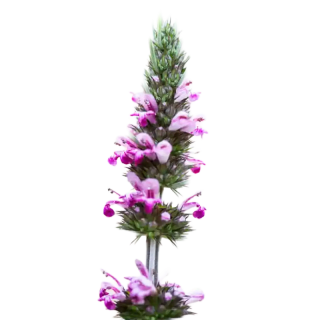
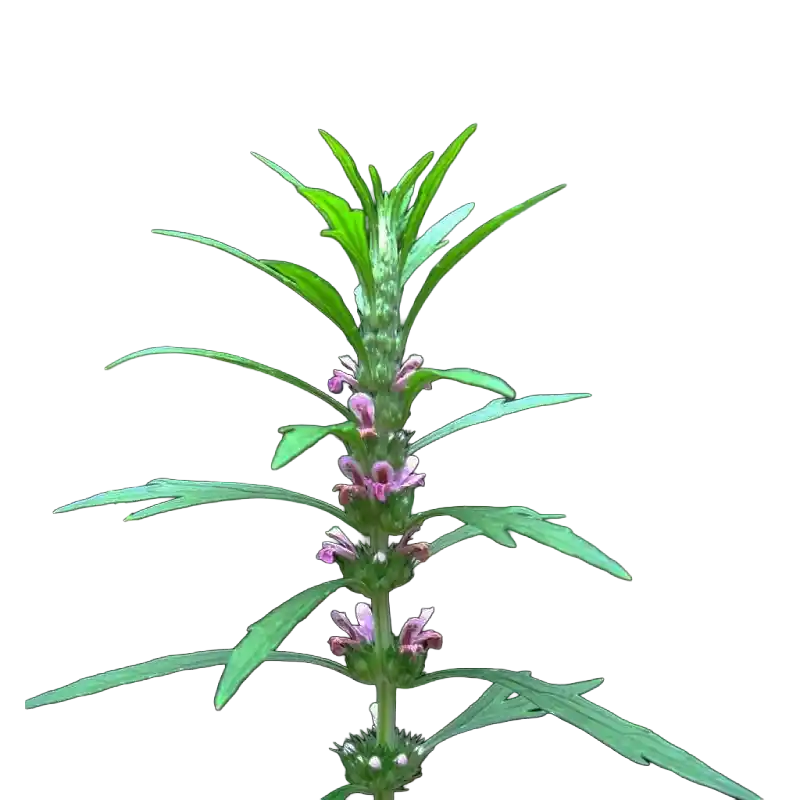
Leonurus japonicus — Chinese motherwort, Yimucao (“benefit-mother herb”) — is a key Chinese-medicine herb for menstrual and postpartum complaints, used to move the blood and contract the womb.الفراسيون الصيني (Leonurus japonicus) — «يي مو تساو» أي «عشبة نفع الأمّ» — عشبةٌ محورية في الطبّ الصيني لشكاوى الطمث وما بعد الولادة، تُستعمل لتنشيط الدم وتقلّص الرحم.
Categoryالفئة
• Gynaecological / “blood-moving” (TCM)
• Uterine tonic
• Diuretic
• Cardioprotective (preclinical)
• Antioxidant• نسائيّ / «مُنشّط للدم» (طبّ صيني)
• مقوٍّ للرحم
• مُدرّ للبول
• واقٍ للقلب (أوّلي)
• مضاد للأكسدة
Habitatالموطن
An annual/biennial mint-family herb of East Asia, related to Western motherwort.عشبةٌ حوليّة/ثنائية الحول من الفصيلة الشفوية في شرق آسيا، قريبةٌ من الفراسيون الغربي.
Parts usedالأجزاء المستخدمة
• Aerial parts
• Seeds (chongweizi)• الأجزاء الهوائية
• البذور (تشونغ وي تسي)
Key constituentsالمكوّنات الفعّالة
• Alkaloids (leonurine, stachydrine)
• Flavonoids
• Diterpenes
• Phenolic acids• قلويدات (ليونورين، ستاكيدرين)
• فلافونويدات
• ثنائيات التربين
• أحماض فينولية
Researchالأبحاث
Reviews confirm uterus-contracting, blood-circulation-improving, diuretic and heart-protective effects, largely from leonurine, supporting its classic use for menstrual pain, irregular periods and postpartum recovery. Human clinical evidence is growing but limited.تؤكّد المراجعات تأثيراتٍ مُقلِّصة للرحم ومُحسِّنة للدورة الدموية ومُدرّة للبول وواقية للقلب، غالباً من «الليونورين»، بما يدعم استعمالها الكلاسيكي لآلام الطمث وعدم انتظامه والتعافي بعد الولادة. والأدلة السريرية البشرية متنامية لكن محدودة.
Published researchأبحاث منشورة
↗ Leonurus japonicus Houtt. — ethnopharmacology, phytochemistry and pharmacology of an important traditional Chinese medicine↗ Leonurus japonicus (Chinese motherwort), an excellent traditional medicine for obstetrical and gynecological diseases — a comprehensive overviewTraditional useالاستخدام التقليدي
Used in Chinese medicine for painful, irregular or absent periods, postpartum abdominal pain and to help the womb recover after birth, and for swelling/oedema.تُستعمل في الطبّ الصيني للطمث المؤلم أو غير المنتظم أو المنقطع وألم البطن بعد الولادة والمساعدة على تعافي الرحم، وللتورّم/الوذمة.
Current useالاستخدام الحالي
Used as decoction, powder and extracts, in gynaecological formulas.تُستعمل مغليّاً ومسحوقاً ومستخلصات، في تركيبات النساء.
Preparationsالتحضيرات
Decoction, Powder, Extractمغليّ، مسحوق، مستخلص
Used for these conditionsيُستخدم لهذه الحالات
Adult dosageجرعة البالغين
Traditional use per practitioner; for extracts follow the product.تقليدياً بحسب المختصّ؛ وللمستخلصات اتّبع الإرشاد.
Child dosageجرعة الأطفال
Not typically used for children.لا يُستعمل عادةً للأطفال.
Cautionتحذيرات
Do NOT use in pregnancy — it stimulates uterine contractions. Because it moves the blood and reduces platelet clumping, it can add to blood-thinners and may increase menstrual or other bleeding — take care and use under a qualified practitioner.لا يُستعمل في الحمل — فهو يُحفِّز تقلّصات الرحم. ولأنه يُنشّط الدم ويقلّل تكتّل الصفيحات، قد يُضاف إلى مميّعات الدم وقد يزيد نزف الطمث أو غيره — انتبه واستعمله بإشراف مختصّ مؤهّل.
Pregnancy & nursingالحمل والرضاعة
Do NOT use during pregnancy — it contracts the uterus (it is used AFTER birth, not during pregnancy).لا يُستعمل أثناء الحمل — فهو يُقلّص الرحم (يُستعمل بعد الولادة لا أثناء الحمل).