
Introductionمقدّمة
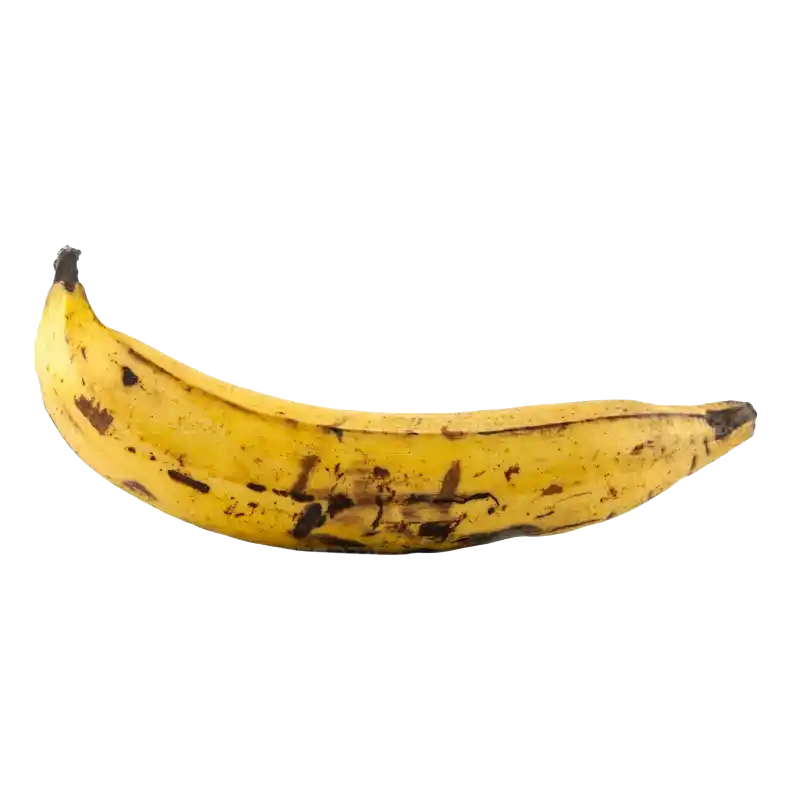
Musa paradisiaca — plantain/banana, Kadali — is the familiar fruit plant whose fruit, flower, stem and sap are used in Ayurveda for the stomach and ulcers, diarrhoea, and as a nourishing food.الموز (Musa paradisiaca) — «كادالي» — نبتة الفاكهة المعروفة، تُستعمل ثمرتها وزهرتها وساقها وعصارتها في الأيورفيدا للمعدة والقرحة والإسهال، وطعاماً مُغذّياً.
Categoryالفئة
• Nutritive / demulcent
• Gut & ulcer support
• Antioxidant
• Lipid- & blood-sugar-supporting
• Wound-healing (sap)• مُغذٍّ / مُطرٍّ
• داعمٌ للأمعاء والقرحة
• مضاد للأكسدة
• داعمٌ للدهون وسكر الدم
• مُلْئِمٌ للجروح (العصارة)
Habitatالموطن
A large tropical herb cultivated worldwide for its fruit; all parts (fruit, flower, pseudostem, sap) are used.عشبةٌ مدارية كبيرة تُزرع عالمياً لثمرها؛ وتُستعمل كلّ أجزائها (الثمرة والزهرة والساق الكاذبة والعصارة).
Parts usedالأجزاء المستخدمة
• Fruit (ripe & unripe)
• Flower
• Stem / sap
• Root• الثمرة (الناضجة وغير الناضجة)
• الزهرة
• الساق / العصارة
• الجذر
Key constituentsالمكوّنات الفعّالة
• Starch & fibre (resistant starch)
• Flavonoids (leucocyanidin)
• Potassium & minerals
• Serotonin/dopamine
• Tannins• نشا وألياف (نشا مقاوم)
• فلافونويدات (ليوكوسيانيدين)
• بوتاسيوم ومعادن
• سيروتونين/دوبامين
• عفص
Researchالأبحاث
Studies report that unripe plantain and banana flavonoids protect the stomach lining (antiulcer), and reviews describe antioxidant, cholesterol- and blood-sugar-supporting and wound-healing effects, alongside good nutrition. Human clinical evidence beyond diet is limited.تذكر الدراسات أنّ الموز غير الناضج وفلافونويدات الموز تحمي بطانة المعدة (مضادّ للقرحة)، وتصف المراجعات تأثيراتٍ مضادة للأكسدة وداعمة للكوليسترول وسكر الدم ومُلْئِمة للجروح، مع تغذيةٍ جيدة. والأدلة البشرية فيما عدا الغذاء محدودة.
Traditional useالاستخدام التقليدي
Used in Ayurveda for stomach ulcers and acidity, diarrhoea and dysentery, as a nourishing food and tonic, and the sap/stem juice for the urinary tract and kidney stones.يُستعمل في الأيورفيدا لقرحة المعدة والحموضة والإسهال والزحار، وطعاماً مُغذّياً ومقوّياً، والعصارة/عصير الساق للمسالك البولية وحصى الكلى.
Current useالاستخدام الحالي
Eaten as fruit and cooked plantain; flower and stem used as food/medicine, and unripe-fruit powder for the stomach.يُؤكل ثمرةً وموزاً مطبوخاً؛ وتُستعمل الزهرة والساق طعاماً/دواءً، ومسحوق الثمرة غير الناضجة للمعدة.
Preparationsالتحضيرات
Fruit (food), Unripe-fruit powder, Flower/stem preparationالثمرة (طعام)، مسحوق الثمرة غير الناضجة، تحضير الزهرة/الساق
Used for these conditionsيُستخدم لهذه الحالات
Adult dosageجرعة البالغين
Food amounts as normal; therapeutic use per practitioner.الكميات الغذائية كالمعتاد؛ والاستعمال العلاجي بحسب المختصّ.
Child dosageجرعة الأطفال
Food amounts are fine for children.الكميات الغذائية مقبولة للأطفال.
Cautionتحذيرات
Very low-risk as a food. People with kidney failure on potassium restriction should moderate banana intake (it is high in potassium). Concentrated preparations may lower blood sugar.منخفض الخطورة جداً كطعام. ومن لديه فشلٌ كلويّ مع تقييد البوتاسيوم يعتدل في تناول الموز (فهو غنيّ بالبوتاسيوم). وقد تخفض التحضيرات المركّزة سكر الدم.
Pregnancy & nursingالحمل والرضاعة
Food amounts are fine in pregnancy.الكميات الغذائية مقبولة في الحمل.


