Introductionمقدّمة
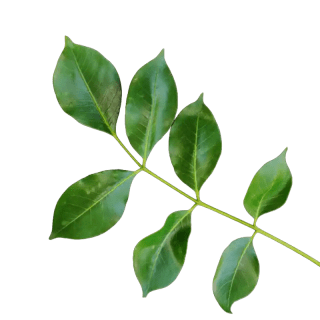
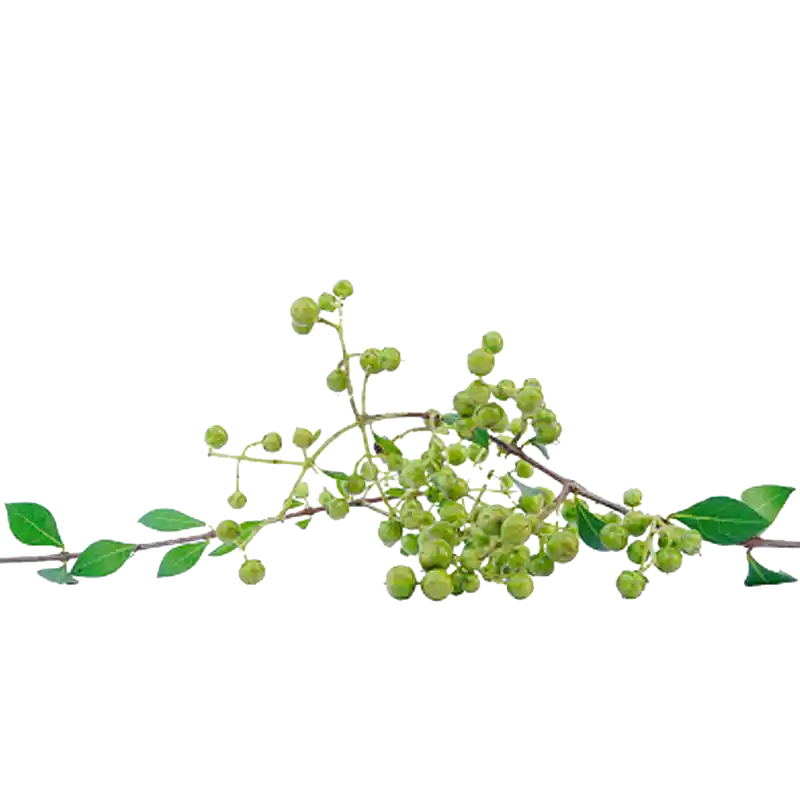
Lawsonia alba (L. inermis) — henna, Mehndi — is the famous dye shrub whose leaves colour skin and hair and are used for the skin, scalp, wounds and as a cooling remedy.الحنّاء (Lawsonia alba، وL. inermis) — «مهندي» — شُجيرة الصِبغة الشهيرة، تُلوّن أوراقها الجلد والشعر وتُستعمل للجلد وفروة الرأس والجروح وعلاجاً مُبرّداً.
Categoryالفئة
• Skin & hair dye / cooling
• Antimicrobial / antifungal
• Anti-inflammatory
• Wound-healing
• Antioxidant• صِبغة للجلد والشعر / مُبرّد
• مضاد للميكروبات / الفطريات
• مضاد للالتهاب
• مُلْئِمٌ للجروح
• مضاد للأكسدة
Habitatالموطن
A shrub of the Middle East, North Africa and South Asia, grown for its dye-yielding leaves.شُجيرةٌ في الشرق الأوسط وشمال إفريقيا وجنوب آسيا، تُزرع لأوراقها المُعطية للصِبغة.
Parts usedالأجزاء المستخدمة
• Leaves (primary)
• Bark
• Flowers
• Seeds• الأوراق (الأساس)
• اللحاء
• الأزهار
• البذور
Key constituentsالمكوّنات الفعّالة
• Lawsone (2-hydroxynaphthoquinone — the dye)
• Flavonoids
• Coumarins
• Tannins
• Essential oil• لاوسون (2-هيدروكسي نافثوكينون — الصِبغة)
• فلافونويدات
• كومارينات
• عفص
• زيتٌ طيّار
Researchالأبحاث
Laboratory and animal studies confirm antimicrobial, antifungal, anti-inflammatory, analgesic, antipyretic and wound-healing effects of the leaves, underpinning henna’s traditional cosmetic and skin uses. Human medicinal evidence beyond topical use is limited.تؤكّد دراسات المختبر والحيوان تأثيراتٍ مضادة للميكروبات والفطريات والالتهاب ومسكّنة وخافضة للحمّى ومُلْئِمة للجروح للأوراق، بما يدعم استعمالات الحنّاء التجميلية والجلدية التقليدية. والأدلة الدوائية البشرية فيما عدا الاستعمال الموضعي محدودة.
Traditional useالاستخدام التقليدي
Used to dye and condition hair and skin, to cool the palms and soles, for fungal skin infections, wounds, mouth ulcers and headaches; a cooling remedy in hot climates.تُستعمل لصبغ الشعر والجلد وترطيبهما وتبريد الكفّين والقدمين، ولعدوى الجلد الفطرية والجروح وقرح الفم والصداع؛ وعلاجٌ مُبرّد في المناخات الحارّة.
Current useالاستخدام الحالي
Used as a leaf-paste dye for hair and skin, and in skin and hair preparations.تُستعمل عجينة أوراقٍ صِبغةً للشعر والجلد، وفي تحضيرات الجلد والشعر.
Preparationsالتحضيرات
Leaf-paste dye (skin/hair), Skin/hair preparationعجينة أوراق صِبغة (للجلد/الشعر)، تحضير للجلد/الشعر
Used for these conditionsيُستخدم لهذه الحالات
Adult dosageجرعة البالغين
Mostly external; internal medicinal use per practitioner.غالباً خارجيّ؛ والاستعمال الدوائي الداخلي بحسب المختصّ.
Child dosageجرعة الأطفال
Avoid henna (especially ‘black henna’) on infants — it can trigger dangerous reactions in babies with G6PD deficiency.يُتجنَّب استعمال الحنّاء (خاصةً «الحنّاء السوداء») على الرضّع — فقد تُحفِّز تفاعلاتٍ خطيرة لدى الرُّضّع المصابين بعوز G6PD.
Cautionتحذيرات
Natural henna is generally safe on skin and hair. IMPORTANT: avoid so-called ‘black henna’, which contains added PPD dye and can cause severe skin reactions and scarring. Do not apply henna to infants, and take special care in people with G6PD deficiency, where henna can trigger red-blood-cell breakdown. Do not swallow the paste.الحنّاء الطبيعية آمنة عموماً على الجلد والشعر. مهمّ: تجنّب ما يُسمّى «الحنّاء السوداء»، فهي تحوي صِبغة PPD مضافة وقد تُسبّب تفاعلاتٍ جلدية شديدة وتندّباً. ولا تُوضَع الحنّاء على الرضّع، ويُتوخّى حذرٌ خاصّ لدى المصابين بعوز G6PD، حيث قد تُحفِّز الحنّاء تكسّر كريات الدم الحمراء. ولا تُبتلَع العجينة.
Pregnancy & nursingالحمل والرضاعة
External natural henna is generally regarded as low-risk; avoid internal medicinal doses in pregnancy.الحنّاء الطبيعية خارجياً تُعدّ منخفضة الخطورة عموماً؛ وتُتجنَّب الجرعات الدوائية الداخلية في الحمل.