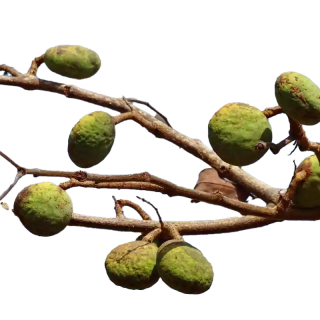
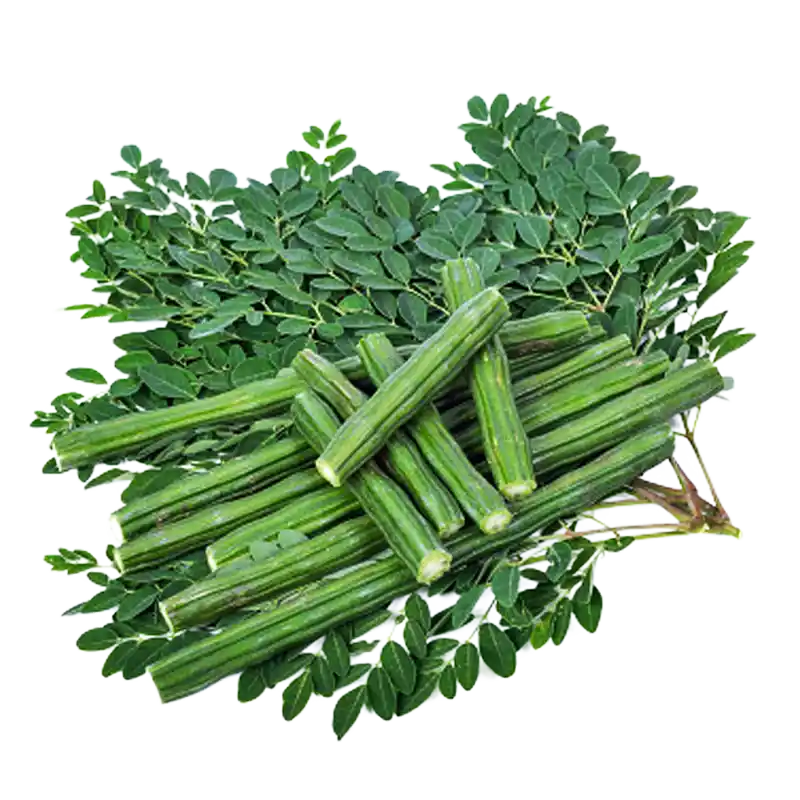
Introductionمقدّمة
Moringa concanensis is a wild relative of the well-known drumstick tree (Moringa oleifera), its leaves, bark and pods used similarly as a nutritious tonic and for inflammation, digestion and blood sugar.مورينغا كونكان (Moringa concanensis) قريبةٌ برّية لشجرة «المورينغا» المعروفة (Moringa oleifera)، تُستعمل أوراقها ولحاؤها وقرونها بالمثل مُغذّياً مقوّياً وللالتهاب والهضم وسكر الدم.
Categoryالفئة
• Nutritive / tonic
• Anti-inflammatory
• Antioxidant
• Antidiabetic (preclinical)
• Antimicrobial• مُغذٍّ / مقوٍّ
• مضاد للالتهاب
• مضاد للأكسدة
• مضادّ للسكري (أوّلي)
• مضاد للميكروبات
Habitatالموطن
A drought-hardy tree of dry regions of the Indian subcontinent, related to the cultivated moringa.شجرةٌ تتحمّل الجفاف في المناطق الجافّة بشبه القارة الهندية، قريبةٌ من المورينغا المزروعة.
Parts usedالأجزاء المستخدمة
• Leaves
• Bark
• Pods
• Root• الأوراق
• اللحاء
• القرون
• الجذر
Key constituentsالمكوّنات الفعّالة
• Flavonoids (quercetin, kaempferol)
• Glucosinolates / isothiocyanates
• Sterols
• Vitamins & minerals
• Phenolics• فلافونويدات (كيرسيتين، كامبفيرول)
• جلوكوزينولات / آيزوثيوسياناتات
• ستيرولات
• فيتامينات ومعادن
• فينولات
Researchالأبحاث
Research on Moringa (mainly M. oleifera, with supporting studies on M. concanensis) confirms rich nutrition and anti-inflammatory, antioxidant, blood-sugar- and lipid-lowering and antimicrobial effects. Species-specific human trials are limited.تؤكّد أبحاث «المورينغا» (غالباً M. oleifera، مع دراساتٍ داعمة على M. concanensis) تغذيةً غنيّة وتأثيراتٍ مضادة للالتهاب والأكسدة وخافضة للسكر والدهون ومضادة للميكروبات. والتجارب البشرية الخاصّة بالنوع محدودة.
Traditional useالاستخدام التقليدي
Used like drumstick for nutrition and general debility, inflammation and joint pain, digestion, and blood sugar; the pods and leaves are eaten as food.تُستعمل كـ«المورينغا» للتغذية والوهن العام والالتهاب وآلام المفاصل والهضم وسكر الدم؛ وتُؤكل القرون والأوراق طعاماً.
Current useالاستخدام الحالي
Used as leaf powder, cooked pods/leaves and extracts.تُستعمل مسحوق أوراق وقروناً/أوراقاً مطبوخة ومستخلصات.
Preparationsالتحضيرات
Leaf powder, Cooked pods/leaves, Extractمسحوق الأوراق، قرون/أوراق مطبوخة، مستخلص
Used for these conditionsيُستخدم لهذه الحالات
Adult dosageجرعة البالغين
Food amounts are safe; for extracts follow the product.الكميات الغذائية آمنة؛ وللمستخلصات اتّبع الإرشاد.
Child dosageجرعة الأطفال
Leaf food amounts are fine for children.الكميات الغذائية من الأوراق مقبولة للأطفال.
Cautionتحذيرات
Leaves are nutritious and low-risk as food; the root and bark are more potent and traditionally avoided in pregnancy. It may lower blood sugar and blood pressure — take care with the related medicines.الأوراق مُغذّية ومنخفضة الخطورة كطعام؛ والجذر واللحاء أقوى ويُتجنَّبان في الحمل تقليدياً. وقد تخفض سكر الدم وضغطه — انتبه مع الأدوية المماثلة.
Pregnancy & nursingالحمل والرضاعة
Leaf food amounts are usually fine; avoid the root and bark in pregnancy (traditionally uterine-stimulating).الكميات الغذائية من الأوراق مقبولة عادةً؛ ويُتجنَّب الجذر واللحاء في الحمل (منشّطان للرحم تقليدياً).