Introductionمقدّمة
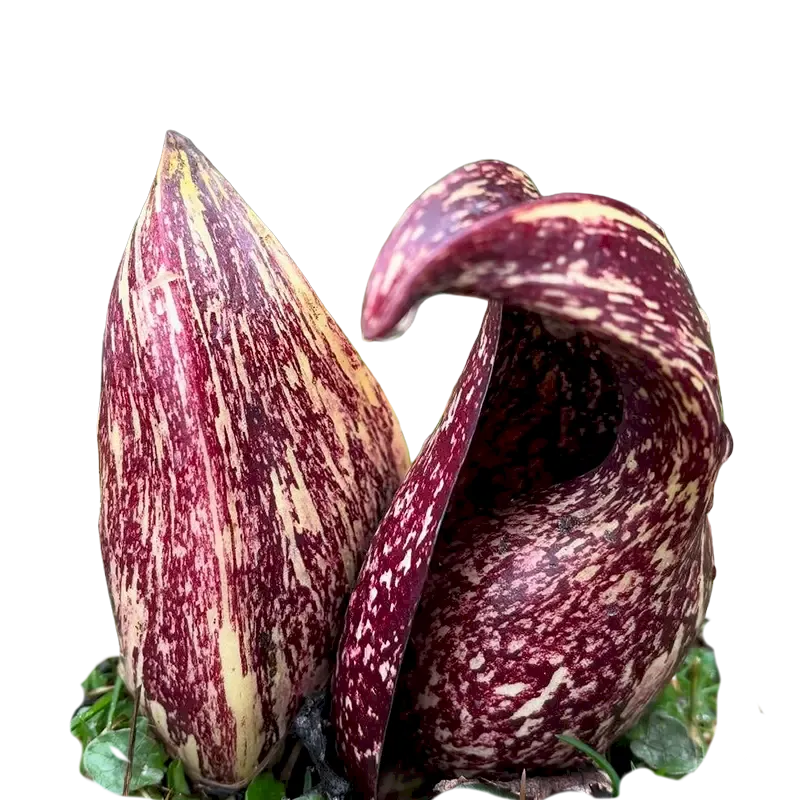
Skunk Cabbage, scientifically known as Symplocarpus foetidus, is a perennial plant native to eastern North America. It belongs to the Araceae family and is known for its distinctive odor and potential medicinal properties. Skunk Cabbage has been used in traditional Native American medicine. نبات الكرنب الكريه الرائحة، واسمه العلمي Symplocarpus foetidus، هو نبات معمر موطنه الأصلي شرق أمريكا الشمالية. ينتمي إلى الفصيلة القلقاسية (Araceae) ويُعرف برائحته المميزة وخصائصه الطبية المحتملة. وقد استُخدم الكرنب الكريه الرائحة في الطب التقليدي للسكان الأصليين لأمريكا.
Categoryالفئة
• Traditional use for respiratory conditions
• Potential anti-inflammatory effects
• Limited modern research• الاستخدام التقليدي لأمراض الجهاز التنفسي
• تأثيرات مضادة للالتهابات محتملة
• أبحاث حديثة محدودة
Habitatالموطن
Skunk Cabbage is typically found in wetlands, marshes, and damp woodlands in its native range. It is not commonly cultivated but can be harvested for its rhizomes, leaves, and roots, which are used for their potential therapeutic benefits.يوجد نبات الكرنب النتن عادةً في الأراضي الرطبة والمستنقعات والغابات الرطبة في موطنه الأصلي. وهو لا يُزرع على نطاق واسع، ولكن يمكن حصاده من أجل جذوره وأوراقه، والتي تُستخدم لفوائدها العلاجية المحتملة.
Parts usedالأجزاء المستخدمة
• Rhizomes
• Leaves
• Roots• جذامير
• أوراق
• جذور
Key constituentsالمكوّنات الفعّالة
• Calcium oxalate: abundant needle‑like calcium oxalate crystals (raphides) in leaves and other tissues, responsible for strong oral irritation and toxicity when raw.
• Volatile and odor compounds: diverse nitrogen‑ and sulfur‑containing volatiles, monoterpenes, benzenoids and aliphatic esters/alcohols in the floral scent, including dimethyl disulfide and related fetid‑smelling compounds.
• Other reported constituents: N‑hydroxytryptamine, general resin and tannins, plus phenolic acids (e.g., syringic, caffeic derivatives), saponins and terpenoids such as β‑caryophyllene described in recent phytochemical work.• أكسالات الكالسيوم: بلورات أكسالات الكالسيوم الإبرية الشكل (الرافيدات) بكثرة في الأوراق والأنسجة الأخرى، وهي المسؤولة عن تهيج الفم الشديد والتسمم عند تناولها نيئة.
• المركبات المتطايرة والرائحة: مركبات متطايرة متنوعة تحتوي على النيتروجين والكبريت، بالإضافة إلى أحاديات التربين، والبنزينويدات، والإسترات/الكحولات الأليفاتية في الرائحة الزهرية، بما في ذلك ثنائي ميثيل ثنائي الكبريتيد ومركبات أخرى ذات رائحة كريهة.
• مكونات أخرى تم الإبلاغ عنها: N-هيدروكسي تريبتامين، وراتنجات وتانينات عامة، بالإضافة إلى أحماض فينولية (مثل مشتقات السيرينجيك والكافيين)، والصابونينات، والتربينويدات مثل بيتا-كاريوفيلين الموصوفة في دراسات كيميائية نباتية حديثة.
Researchالأبحاث
Research on Skunk Cabbage has primarily focused on its chemical constituents, including calcium oxalate crystals, phenolic compounds, and volatile oils. It is traditionally associated with use for respiratory conditions and potential anti-inflammatory effects, but there is limited modern research on its specific therapeutic properties. ركزت الأبحاث على نبات الملفوف النتِن بشكل أساسي على مكوناته الكيميائية، بما في ذلك بلورات أكسالات الكالسيوم، والمركبات الفينولية، والزيوت الطيارة. ويرتبط استخدامه تقليديًا بأمراض الجهاز التنفسي وتأثيراته المضادة للالتهابات، إلا أن الأبحاث الحديثة حول خصائصه العلاجية المحددة لا تزال محدودة.
Traditional useالاستخدام التقليدي
Various parts of Skunk Cabbage, including the rhizomes, leaves, and roots, are used for their potential therapeutic benefits. It is traditionally known for its use in addressing respiratory conditions and may have anti-inflammatory effects. تُستخدم أجزاء مختلفة من نبات الكرنب النتِن، بما في ذلك الجذور والأوراق، لفوائدها العلاجية المحتملة. وهو معروف تقليديًا باستخدامه في علاج أمراض الجهاز التنفسي، وقد يكون له تأثيرات مضادة للالتهابات.
Current useالاستخدام الحالي
Skunk Cabbage can be prepared as herbal infusions, poultices, or used in traditional remedies. Its uses may vary based on traditional knowledge and desired applications. It is traditionally used for respiratory conditions and as an anti-inflammatory remedy. يمكن تحضير نبات الملفوف النتن على شكل مشروبات عشبية، أو كمادات، أو استخدامه في العلاجات التقليدية. وتختلف استخداماته باختلاف المعارف التقليدية والاستخدامات المرغوبة. ويُستخدم تقليديًا لعلاج أمراض الجهاز التنفسي وكعلاج مضاد للالتهابات.
Preparationsالتحضيرات
Infusion, Poulticeلبخة, منقوع
Used for these conditionsيُستخدم لهذه الحالات
Adult dosageجرعة البالغين
Dosage recommendations for Skunk Cabbage may vary based on the specific product or remedy. It is typically used in appropriate quantities for the intended purpose. Consult with a qualified herbalist or healthcare provider for guidance on therapeutic dosages. قد تختلف توصيات الجرعات لنبات الملفوف النتن باختلاف المنتج أو العلاج المحدد. ويُستخدم عادةً بكميات مناسبة للغرض المقصود. استشر أخصائي أعشاب مؤهلاً أو مقدم رعاية صحية للحصول على إرشادات بشأن الجرعات العلاجية.
Child dosageجرعة الأطفال
Dosages for Skunk Cabbage may vary depending on the intended use and preparation form. It is advisable to consult with a qualified herbalist or healthcare provider for guidance on dosages and usage. قد تختلف جرعات نبات الملفوف النتِن حسب الاستخدام المقصود وطريقة التحضير. يُنصح باستشارة أخصائي أعشاب مؤهل أو مقدم رعاية صحية للحصول على إرشادات بشأن الجرعات وطريقة الاستخدام.
Cautionتحذيرات
Skunk Cabbage is generally considered safe when used appropriately. However, it should not be ingested, and topical applications should be used with caution to avoid skin irritation. As with any herbal remedy, individual reactions may vary, so consult with a qualified healthcare provider if you have any underlying health conditions or are taking medications. يُعتبر نبات الملفوف النتِن آمناً بشكل عام عند استخدامه بالطريقة الصحيحة. مع ذلك، لا يُنصح بتناوله، ويجب استخدامه موضعياً بحذر لتجنب تهيج الجلد. وكما هو الحال مع أي علاج عشبي، قد تختلف ردود الفعل من شخص لآخر، لذا يُنصح باستشارة طبيب مختص إذا كنت تعاني من أي مشاكل صحية أو تتناول أدوية.
Pregnancy & nursingالحمل والرضاعة
Avoid during pregnancy and lactation. Skunk cabbage contains irritant calcium oxalate crystals and acrid compounds, has no established safety data in pregnancy, and should not be used internally without qualified supervision.يُتجنّب أثناء الحمل والرضاعة. يحتوي الكرنب النتن على بلورات أكسالات الكالسيوم المهيّجة ومركبات لاذعة، ولا توجد بيانات سلامة مؤكدة أثناء الحمل، ولا يُستخدم داخليًا دون إشراف مختص.