Introductionمقدّمة
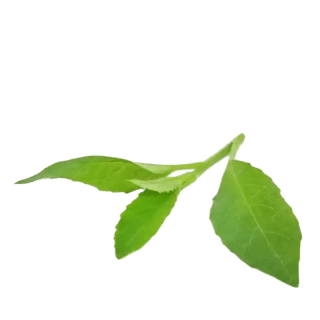
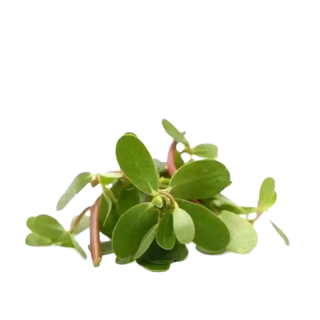
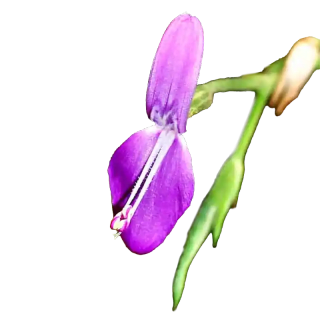
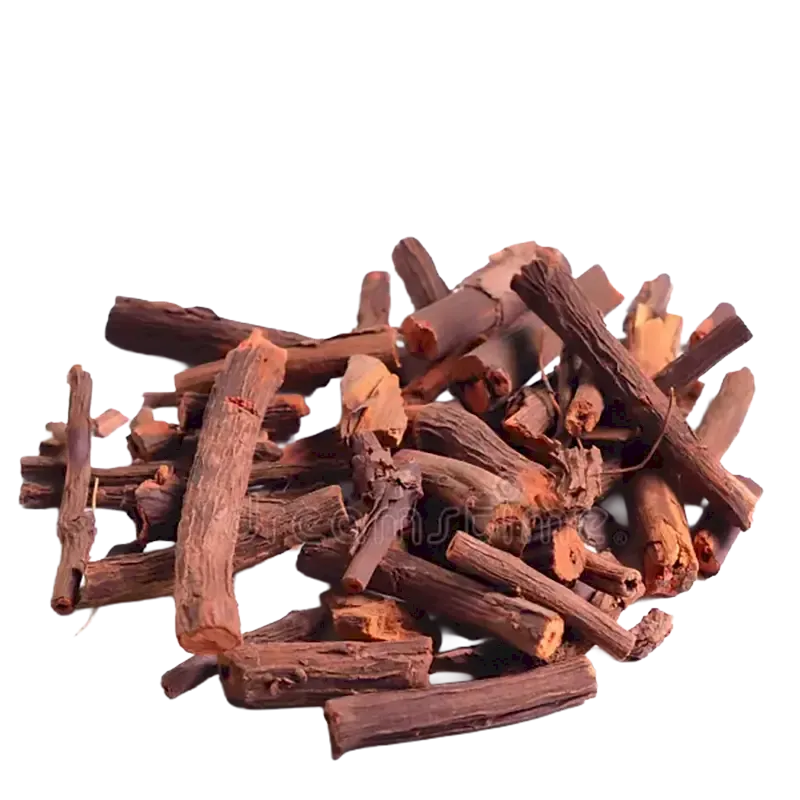
Madder, scientifically known as Rubia tinctorum, is a perennial herbaceous plant native to Europe and Asia. It is highly regarded for its historical use as a natural dye and has been cultivated for centuries for this purpose. Madder has also been used in traditional herbal remedies for various potential health benefits. الفوة، واسمها العلمي Rubia tinctorum، هي نبتة عشبية معمرة موطنها الأصلي أوروبا وآسيا. تحظى بتقدير كبير لاستخدامها التاريخي كصبغة طبيعية، وقد زُرعت لقرون لهذا الغرض. كما استُخدمت الفوة في العلاجات العشبية التقليدية لفوائدها الصحية المتعددة.
Categoryالفئة
• Traditional use for coloring textiles
• Potential anti-inflammatory and antioxidant properties
• Historical use in herbal remedies• الاستخدام التقليدي في تلوين المنسوجات
• خصائص مضادة للالتهابات ومضادة للأكسدة
• الاستخدام التاريخي في العلاجات العشبية
Habitatالموطن
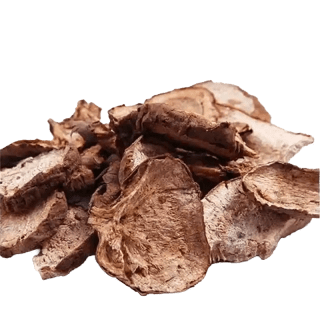
Madder is typically grown in well-drained soils in temperate regions. It has been cultivated for its roots, which contain red and orange pigments used for dyeing textiles. The primary part used for medicinal purposes is the root, known for its potential therapeutic properties and historical use.يزرع الفوة عادةً في التربة جيدة التصريف في المناطق المعتدلة. وقد زُرعت من أجل جذورها التي تحتوي على أصباغ حمراء وبرتقالية تُستخدم في صباغة المنسوجات. أما الجزء الرئيسي المستخدم للأغراض الطبية فهو الجذر، المعروف بخصائصه العلاجية المحتملة واستخداماته التاريخية.
Parts usedالأجزاء المستخدمة
• Roots • الجذور
Key constituentsالمكوّنات الفعّالة
• Anthraquinone glycosides (major dye precursors): ruberythric acid (alizarin primeveroside) and lucidin primeveroside, plus glycosides of pseudopurpurin and munjistin.
• Anthraquinone aglycones: alizarin (1,2‑dihydroxyanthraquinone) as the main dye component, with purpurin, pseudopurpurin, munjistin and smaller amounts of lucidin and related anthraquinones.
• Other phenolics: tannins and flavonoids present in both roots and aerial parts, with roots richer in total phenolics and flavonoids and aerial parts relatively richer in tannins.• جليكوسيدات الأنثراكينون (السلائف الرئيسية للصبغة): حمض الروبيريثريك (أليزارين برايمفيروسيد) ولوسيدين برايمفيروسيد، بالإضافة إلى جليكوسيدات السودوبوربورين والمونجيستين.
• أغليكونات الأنثراكينون: الأليزارين (1،2-ثنائي هيدروكسي أنثراكينون) هو المكون الرئيسي للصبغة، مع البوربورين، والسودوبوربورين، والمونجيستين، وكميات أقل من اللوسيدين والأنثراكينونات ذات الصلة.
• مركبات فينولية أخرى: التانينات والفلافونويدات موجودة في كل من الجذور والأجزاء الهوائية، حيث تكون الجذور أغنى بالمركبات الفينولية والفلافونويدات الكلية، بينما تكون الأجزاء الهوائية أغنى نسبيًا بالتانينات.
Researchالأبحاث
Research on Madder has focused on its red pigments, particularly alizarin and purpurin, and their potential anti-inflammatory and antioxidant effects. Madder is traditionally known for its use in coloring textiles and its historical use in herbal remedies.ركزت الأبحاث على نبات الفوة على أصباغه الحمراء، وخاصة الأليزارين والبوربورين، وتأثيراتها المحتملة المضادة للالتهابات والمضادة للأكسدة. وتُعرف الفوة تقليدياً باستخدامها في تلوين المنسوجات واستخدامها التاريخي في العلاجات العشبية.
Published researchأبحاث منشورة
↗ Antimicrobial activity of common madder (Rubia tinctorum L.)↗ Targeted tumor therapy by Rubia tinctorum L.: analytical characterization of hydroxyanthraquinones and investigation of their selective cytotoxic, adhesion and migration modulator effects on melanoma cell lines↗ Carcinogenicity and DNA adduct formation observed in ACI rats after long-term treatment with madder root, Rubia tinctorum LTraditional useالاستخدام التقليدي
Madder roots are the primary part used for medicinal purposes. They are traditionally used in various preparations, including decoctions and infusions, for potential health benefits. تُعد جذور الفوة الجزء الأساسي المستخدم للأغراض الطبية. وهي تُستخدم تقليدياً في تحضيرات متنوعة، بما في ذلك المغلي والمشروبات، لما لها من فوائد صحية محتملة.
Current useالاستخدام الحالي
Madder roots can be prepared as decoctions or infusions and may be used in traditional herbal remedies for their potential anti-inflammatory and antioxidant properties. It is also valued for its historical use in natural dyeing processes. يمكن تحضير جذور الفوة على شكل مغلي أو منقوع، وقد تُستخدم في العلاجات العشبية التقليدية لما لها من خصائص مضادة للالتهابات ومضادة للأكسدة. كما أنها تُقدّر لاستخدامها التاريخي في عمليات الصباغة الطبيعية.
Preparationsالتحضيرات
Decoction, Infusionمغلي, منقوع
Used for these conditionsيُستخدم لهذه الحالات
Adult dosageجرعة البالغين
Dosage recommendations for Madder may vary depending on the intended use and preparation form. It is typically used in traditional herbal remedies in appropriate quantities.قد تختلف توصيات الجرعات لنبات الفوة تبعاً للاستخدام المقصود وطريقة التحضير. ويُستخدم عادةً في العلاجات العشبية التقليدية بكميات مناسبة.
Child dosageجرعة الأطفال
Consult with a qualified herbalist or healthcare provider for appropriate dosages for children based on their age and specific needs. استشر أخصائي أعشاب مؤهل أو مقدم رعاية صحية لتحديد الجرعات المناسبة للأطفال بناءً على أعمارهم واحتياجاتهم الخاصة.
Cautionتحذيرات
Madder root contains lucidin and related anthraquinones that are genotoxic and mutagenic. Madder-root colourant was withdrawn/banned for food use because animal studies linked it to kidney and liver tumours. Internal (oral) use is NOT recommended and should be considered unsafe; restrict madder to external dyeing, handling with care to avoid skin irritation/allergy.يحتوي جذر الفوة على اللوسيدين ومركبات أنثراكينون ذات صلة تُعدّ سامّة للجينات ومُطفِّرة. وقد سُحبت صبغة جذر الفوة ومُنعت من الاستخدام الغذائي لأن الدراسات على الحيوانات ربطتها بأورام الكلى والكبد. لا يُنصح بالاستخدام الداخلي (الفموي) ويجب اعتباره غير آمن؛ ويُقتصر استخدام الفوة على الصباغة الخارجية مع الحذر لتفادي تهيّج الجلد أو الحساسية.
Pregnancy & nursingالحمل والرضاعة
Contraindicated in pregnancy and breastfeeding: madder has traditional emmenagogue use and contains genotoxic anthraquinones (lucidin). It can also stain urine and body fluids red.يُمنع أثناء الحمل والرضاعة: للفوة استخدام تقليدي كمُدرّ للطمث وتحتوي على أنثراكينونات سامّة للجينات (اللوسيدين). كما يمكن أن تصبغ البول وسوائل الجسم باللون الأحمر.