Introductionمقدّمة
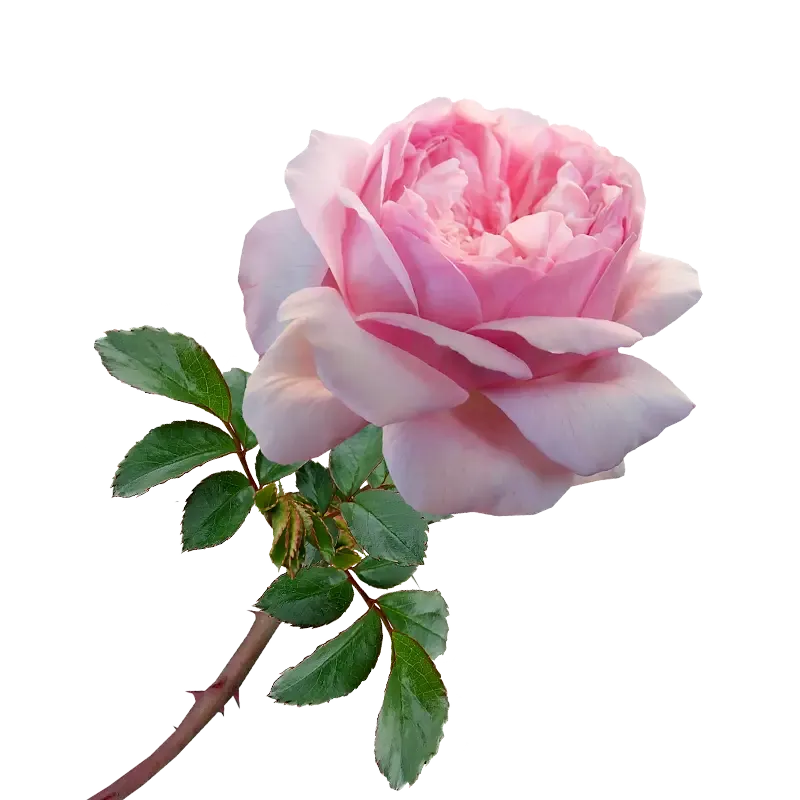
The Rose, scientifically known as Rosa gallica, is a flowering shrub native to Europe and western Asia. It is one of the most beloved and iconic flowers, known for its beauty and fragrance. Roses have been cultivated for centuries for various purposes, including medicinal and cosmetic applications. الوردة، واسمها العلمي Rosa gallica، شجيرة مزهرة موطنها الأصلي أوروبا وغرب آسيا. وهي من أكثر الزهور شهرةً ومحبوبةً، وتشتهر بجمالها وعطرها الفوّاح. وقد زُرعت الورود لقرونٍ عديدة لأغراضٍ متنوعة، منها الاستخدامات الطبية والتجميلية.
Categoryالفئة
• Aromatic and soothing effects
• Potential antioxidant and anti-inflammatory properties
• Traditional use in perfumery and skincare• تأثيرات عطرية ومهدئة
• خصائص مضادة للأكسدة ومضادة للالتهابات
• استخدام تقليدي في صناعة العطور والعناية بالبشرة
Habitatالموطن
Roses are cultivated in gardens and landscapes worldwide, and they thrive in temperate climates. They prefer well-drained soil and sunlight. While all parts of the rose plant have been traditionally used, the petals are particularly valued for their aromatic and potential therapeutic properties. تُزرع الورود في الحدائق والمناظر الطبيعية حول العالم، وتزدهر في المناخات المعتدلة. وهي تُفضل التربة جيدة التصريف وأشعة الشمس. وعلى الرغم من استخدام جميع أجزاء نبات الورد تقليديًا، إلا أن بتلاتها تحظى بتقدير خاص لعطرها وخصائصها العلاجية المحتملة.
Parts usedالأجزاء المستخدمة
• Petals
• Rose water
• Rose oil• بتلات
• ماء الورد
• زيت الورد
Key constituentsالمكوّنات الفعّالة
• Essential‑oil components (petals): citronellol, geraniol, nerol and phenethyl alcohol as major odorants, with nonadecane and other alkanes, farnesol, linalool, eugenol, methyl eugenol, rose oxide and related terpenes and aromatics.
• Phenolic compounds (petals and extracts): flavonols such as quercetin and kaempferol and their glycosides (e.g., astragalin), plus phenolic acids derived mainly from gallic and ellagic acid and organic acids like quinic acid.
• Tannins and other polyphenols (dried petals): hydrolysable tannins and general polyphenols contributing to astringency and antioxidant activity.• مكونات الزيت العطري (البتلات): السترونيلول، والجيرانيول، والنيرول، وكحول الفينيثيل هي المكونات العطرية الرئيسية، بالإضافة إلى النوناديكان والألكانات الأخرى، والفارنيسول، واللينالول، والأوجينول، وميثيل الأوجينول، وأكسيد الورد، والتربينات والمركبات العطرية ذات الصلة.
• المركبات الفينولية (البتلات والمستخلصات): الفلافونولات مثل الكيرسيتين والكامفيرول وجليكوسيداتها (مثل الأستراغالين)، بالإضافة إلى الأحماض الفينولية المشتقة بشكل رئيسي من حمض الغاليك وحمض الإيلاجيك، والأحماض العضوية مثل حمض الكينيك.
• التانينات والبوليفينولات الأخرى (البتلات المجففة): تساهم التانينات القابلة للتحلل المائي والبوليفينولات العامة في خاصية القابضية والنشاط المضاد للأكسدة.
Researchالأبحاث
Research on Roses has focused on their essential oils, flavonoids, and polyphenols. Roses are traditionally known for their aromatic and soothing effects and are commonly used in perfumery, skincare, and herbal remedies.ركزت الأبحاث على الورود على زيوتها العطرية، ومركبات الفلافونويد، والبوليفينولات. تشتهر الورود تقليدياً بخصائصها العطرية والمهدئة، وتُستخدم بكثرة في صناعة العطور، والعناية بالبشرة، والعلاجات العشبية.
Published researchأبحاث منشورة
↗ Rosa gallica and its active compound, cyanidin-3,5-O-diglucoside↗ [Rosa Gallica var. Officinalis]Traditional useالاستخدام التقليدي
Roses are valued for their aromatic petals, which are used in perfumery, skincare products, and herbal remedies. Rose water and rose oil are popular preparations. Other parts of the plant, such as rose hips, may also be used for their potential health benefits. تُقدّر الورود لبتلاتها العطرية، التي تُستخدم في صناعة العطور ومنتجات العناية بالبشرة والعلاجات العشبية. ويُعدّ ماء الورد وزيت الورد من المستحضرات الشائعة. كما تُستخدم أجزاء أخرى من النبتة، مثل ثمار الورد، لفوائدها الصحية المحتملة.
Current useالاستخدام الحالي
Roses are used in a variety of preparations, including rose water, rose oil, and herbal infusions. They are associated with perfumery, skincare, and traditional herbal remedies for their aromatic and potential therapeutic effects. تُستخدم الورود في العديد من المستحضرات، بما في ذلك ماء الورد وزيت الورد ومشروبات الأعشاب. وترتبط الورود بصناعة العطور والعناية بالبشرة والعلاجات العشبية التقليدية لما تتمتع به من خصائص عطرية وفوائد علاجية محتملة.
Preparationsالتحضيرات
Infusion, Oilزيت, منقوع
Used for these conditionsيُستخدم لهذه الحالات
Adult dosageجرعة البالغين
Dosage recommendations for Roses may vary depending on the intended use and form (e.g., rose water, rose oil). It is typically used in appropriate quantities for specific applications, such as in skincare products or aromatherapy.قد تختلف توصيات الجرعات للورود تبعاً للاستخدام المقصود والشكل (مثل ماء الورد، زيت الورد). وعادةً ما تُستخدم بكميات مناسبة لتطبيقات محددة، مثل منتجات العناية بالبشرة أو العلاج العطري.
Child dosageجرعة الأطفال
Consult with a qualified aromatherapist or healthcare provider for appropriate dosages for children based on their age and specific needs. استشر أخصائي علاج عطري مؤهل أو مقدم رعاية صحية لتحديد الجرعات المناسبة للأطفال بناءً على أعمارهم واحتياجاتهم الخاصة.
Cautionتحذيرات
Roses are generally considered safe when used in perfumery, skincare, and herbal remedies. However, individuals with specific allergies or sensitivities should exercise caution. If you are pregnant, nursing, or have underlying health conditions, consult with a healthcare provider before using rose-based products or remedies. يُعتبر الورد آمناً بشكل عام عند استخدامه في صناعة العطور، والعناية بالبشرة، والعلاجات العشبية. مع ذلك، ينبغي على الأشخاص الذين يعانون من حساسية تجاه أنواع معينة من الورد توخي الحذر. إذا كنتِ حاملاً أو مرضعة أو لديكِ أي مشاكل صحية، فاستشيري طبيبكِ قبل استخدام أي منتجات أو علاجات تحتوي على الورد.
Pregnancy & nursingالحمل والرضاعة
Avoid during Pregnancy/Nursingيمنع أثناء الحمل والرضاعة