Introductionمقدّمة
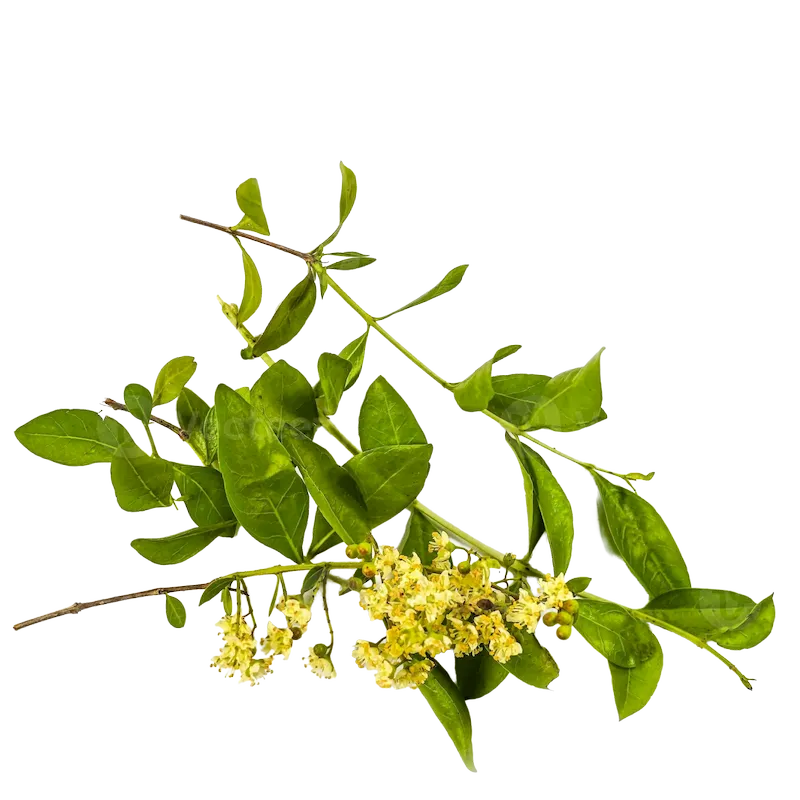
Henna, scientifically known as Lawsonia inermis, is a flowering plant native to regions of North Africa, the Middle East, and South Asia. It is well-known for its leaves, which are used to create a natural dye for the skin and hair. Henna has a long history of cultural and cosmetic use. الحناء، واسمها العلمي Lawsonia inermis، نبات مزهر موطنه الأصلي مناطق شمال أفريقيا والشرق الأوسط وجنوب آسيا. تشتهر بأوراقها التي تُستخدم في صناعة صبغة طبيعية للبشرة والشعر. وللحناء تاريخ طويل في الاستخدامات الثقافية والتجميلية.
Categoryالفئة
• Natural dye for skin and hair
• Cooling and soothing properties for the skin• صبغة طبيعية للبشرة والشعر
• خصائص تبريد وتهدئة للبشرة
Habitatالموطن
Henna is typically cultivated in arid and semi-arid regions, where it thrives in well-drained soils. The leaves of the Henna plant contain the key constituents responsible for its dyeing properties, primarily lawsone (2-hydroxy-1,4-naphthoquinone). تُزرع الحناء عادةً في المناطق القاحلة وشبه القاحلة، حيث تزدهر في التربة جيدة التصريف. تحتوي أوراق نبات الحناء على المكونات الرئيسية المسؤولة عن خصائصها الصبغية، وأهمها مادة اللوسون (2-هيدروكسي-1،4-نفثوكينون).
Parts usedالأجزاء المستخدمة
• Leaves • أوراق
Key constituentsالمكوّنات الفعّالة
• Naphthoquinones (lawsone/hennotannic acid 0.5-1.5%)
• Flavonoids (luteolin, apigenin, quercetin)
• Coumarins (esculetin, umbelliferone)
• Gallic acid (tannin derivative)
• Resins
• Essential oils (trace)
• Mucilage
• Mannose (polysaccharide)• نافثوكينونات (حمض اللاوسون/الهينوتانيك 0.5-1.5%)
• فلافونويدات (لوتولين، أبيجينين، كيرسيتين)
• كومارين (إسكوليتين، أومبليفيرون)
• حمض الغاليك (مشتق التانين)
• راتنجات
• زيوت عطرية (آثار)
• مواد هلامية
• مانوز (عديد السكاريد)
Researchالأبحاث
Research on Henna has focused on its natural dyeing properties and its potential cooling and soothing effects on the skin. It is traditionally used for cosmetic purposes, particularly as a natural hair and skin dye. ركزت الأبحاث على الحناء على خصائصها الطبيعية في التلوين وتأثيراتها المحتملة في تبريد البشرة وتلطيفها. وهي تُستخدم تقليدياً لأغراض تجميلية، وخاصة كصبغة طبيعية للشعر والبشرة.
Published researchأبحاث منشورة
↗ The effect of a topical formulation from Lawsonia inermis L. (henna) on pain intensity in patients with chronic sciatica: A randomized double-blind clinical trial↗ Efficacy of a topical formulation of henna (Lawsonia inermis L.) in contact dermatitis in patients using prosthesis: A double-blind randomized placebo-controlled clinical trial↗ Henna (Lawsonia inermis) as an Inexpensive Method to Prevent Decubitus Ulcers in Critical Care Units: A Randomized Clinical TrialTraditional useالاستخدام التقليدي
Henna has a rich history of use in various cultures, where it is valued for its cosmetic applications. The leaves of the Henna plant are the primary parts used for creating natural dyes for skin and hair. للحناء تاريخ عريق في مختلف الثقافات، حيث تُقدّر لفوائدها التجميلية. وتُعدّ أوراق نبات الحناء الجزء الأساسي المستخدم في صناعة الأصباغ الطبيعية للبشرة والشعر.
Current useالاستخدام الحالي
Henna leaves are ground into a fine powder and mixed with water to create a paste, which is then applied to the skin or hair for dyeing purposes. It is traditionally used for body art, hair coloring, and other cosmetic applications. تُطحن أوراق الحناء إلى مسحوق ناعم وتُخلط بالماء لصنع عجينة، ثم تُوضع على الجلد أو الشعر لأغراض التلوين. وتُستخدم تقليديًا في فنون الجسم وتلوين الشعر وغيرها من الاستخدامات التجميلية.
Preparationsالتحضيرات
Powderمسحوق
Used for these conditionsيُستخدم لهذه الحالات
Adult dosageجرعة البالغين
Dosage recommendations for Henna paste can vary based on the specific cosmetic purpose and desired color intensity. It is typically applied in the form of a paste for skin art or hair dyeing. Consult with a qualified practitioner for guidance on application and usage. تختلف توصيات جرعة معجون الحناء باختلاف الغرض التجميلي المحدد ودرجة اللون المطلوبة. يُستخدم عادةً على شكل معجون لتزيين الجلد أو صبغ الشعر. استشيري مختصًا مؤهلًا للحصول على إرشادات حول طريقة الاستخدام.
Child dosageجرعة الأطفال
Dosage recommendations for Henna paste can vary depending on the intended use and desired color intensity. It is typically applied in the form of a paste for skin art or hair dyeing. Consult with a qualified practitioner for guidance on application and usage. تختلف توصيات جرعة معجون الحناء حسب الاستخدام المقصود ودرجة اللون المطلوبة. يُستخدم عادةً على شكل معجون لرسم النقوش على الجلد أو صبغ الشعر. استشر أخصائيًا مؤهلًا للحصول على إرشادات حول طريقة الاستخدام.
Cautionتحذيرات
Henna is generally safe for external cosmetic use, but note two important risks. (1) In people with G6PD deficiency — common in the Middle East/Mediterranean — henna can cause severe, sometimes life-threatening breakdown of red blood cells (haemolysis) and jaundice; do NOT apply henna to, or allow ingestion by, G6PD-deficient infants or individuals. (2) 'Black henna' containing para-phenylenediamine (PPD) can cause severe allergic dermatitis, blistering and permanent scarring — use only natural red/brown henna. A patch test is advisable.الحناء آمنة عمومًا للاستخدام التجميلي الخارجي، لكن انتبه لخطرين مهمين. (1) لدى الأشخاص المصابين بنقص إنزيم G6PD — وهو شائع في الشرق الأوسط وحوض المتوسط — قد تُسبّب الحناء تكسّرًا حادًا وأحيانًا مُهدِّدًا للحياة في كريات الدم الحمراء (انحلال دم) ويرقانًا؛ لا تضع الحناء على الرُّضّع أو الأشخاص المصابين بنقص G6PD ولا تسمح بابتلاعها. (2) 'الحناء السوداء' المحتوية على مادة بارا-فينيلين ثنائي الأمين (PPD) قد تُسبّب التهاب جلد تحسسيًا شديدًا وتقرّحات وندوبًا دائمة — استخدم الحناء الطبيعية (الحمراء/البنية) فقط. يُنصح بإجراء اختبار حساسية.