Introductionمقدّمة
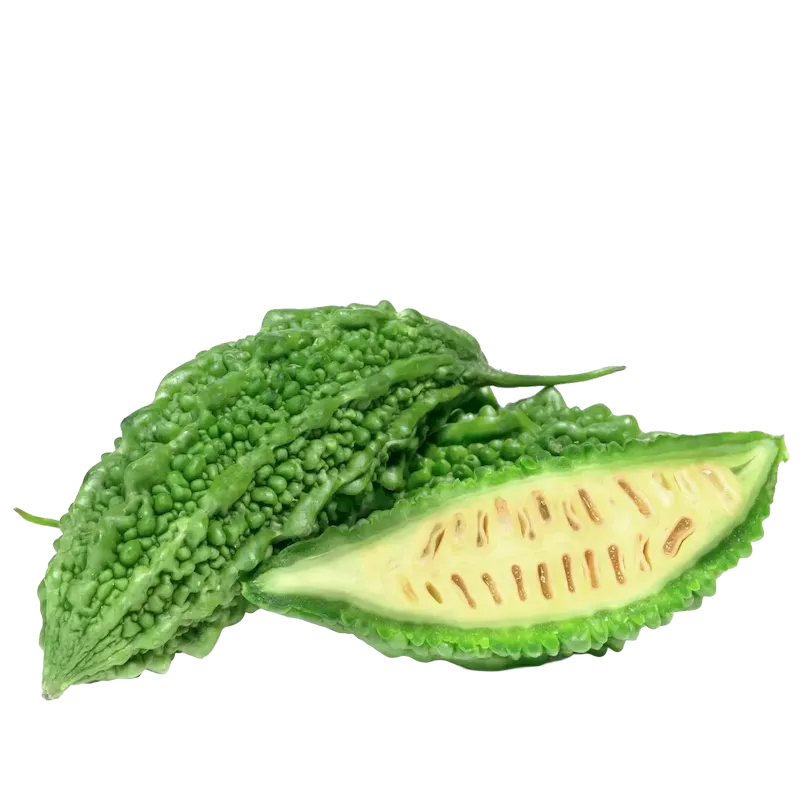
Bitter Melon, scientifically known as Momordica charantia, is a tropical and subtropical vine native to Asia, Africa, and parts of the Caribbean. It belongs to the Cucurbitaceae family and is known for its unique bitter taste and potential medicinal properties. Bitter Melon has a long history of use in traditional medicine and culinary applications.القرع المر، المعروف علميًا باسم Momordica charantia، هو نبات متسلق استوائي وشبه استوائي موطنه الأصلي آسيا وأفريقيا وأجزاء من منطقة البحر الكاريبي. ينتمي إلى الفصيلة القرعية، ويُعرف بمذاقه المرّ الفريد وخصائصه الطبية المحتملة. للقرع المر تاريخ طويل من الاستخدام في الطب التقليدي وفي الطهي.
Categoryالفئة
• Traditional use for blood sugar control
• Potential antidiabetic and antioxidant effects
• Limited modern clinical research• الاستخدام التقليدي للتحكم في نسبة السكر في الدم
• التأثيرات المحتملة المضادة لمرض السكري والمضادة للأكسدة
• أبحاث سريرية حديثة محدودة
Habitatالموطن
Bitter Melon is typically cultivated in warm and humid climates, often in tropical regions. It is valued for its fruit, seeds, and leaves, which contain various phytochemicals. The key constituents of Bitter Melon include momordicin, charantin, and other compounds responsible for its bitter taste and potential therapeutic effects. يُزرع القرع المر عادةً في المناخات الدافئة والرطبة، وخاصةً في المناطق الاستوائية. ويُقدّر لثماره وبذوره وأوراقه، التي تحتوي على العديد من المركبات الكيميائية النباتية. تشمل المكونات الرئيسية للقرع المر الموموردسين والشارانتين ومركبات أخرى مسؤولة عن مذاقه المر وفوائده العلاجية المحتملة.
Parts usedالأجزاء المستخدمة
• Fruit
• Seeds
• Leaves• ثمار
• بذور
• أوراق
Key constituentsالمكوّنات الفعّالة
• Cucurbitane-type triterpenoids + glycosides (momordicosides; major bitter principles)
• Charantin (steroidal/triterpenoid glycoside complex; common marker)
• Saponins (triterpenoid saponins)
• Peptides/proteins (polypeptide‑P; MAP30 and related proteins)
• Alkaloids (minor)
• Phenolics (catechin, epicatechin; gallic acid, chlorogenic acid, caffeic/ferulic acids)
• Sterols (β-sitosterol, stigmasterol and related phytosterols)
• Polysaccharides (water-soluble fractions)
• Vicine (seed constituent; notable bioactive/safety-relevant compound)• مركبات ثلاثية التربين من نوع الكوكوربيتان + جليكوسيدات (مومورديكوسيدات؛ المكونات المُرّة الرئيسية)
• شارانتين (مركب جليكوسيد ستيرويدي/ثلاثي التربينويدي؛ مؤشر شائع)
• صابونينات (صابونينات ثلاثية التربينويد)
• ببتيدات/بروتينات (عديد الببتيد-P؛ MAP30 والبروتينات ذات الصلة)
• قلويدات (بكميات قليلة)
• مركبات فينولية (كاتشين، إبيكاتشين؛ حمض الغاليك، حمض الكلوروجينيك، حمض الكافيين/حمض الفيروليك)
• ستيرولات (بيتا-سيتوستيرول، ستيغماستيرول والفيستوستيرولات ذات الصلة)
• عديدات السكاريد (أجزاء قابلة للذوبان في الماء)
• فيسين (مكون من مكونات البذور؛ مركب نشط بيولوجيًا/ذو صلة بالسلامة)
Researchالأبحاث
Research on Bitter Melon has primarily focused on its traditional use in blood sugar control and its potential antidiabetic and antioxidant properties. It is used as a natural remedy for managing diabetes, but it has limited modern clinical research supporting specific medicinal claims. ركزت الأبحاث حول القرع المر بشكل أساسي على استخدامه التقليدي في ضبط مستوى السكر في الدم وخصائصه المحتملة المضادة لداء السكري والمضادة للأكسدة. يُستخدم كعلاج طبيعي لإدارة داء السكري، ولكن الأبحاث السريرية الحديثة التي تدعم مزاعمه الطبية المحددة محدودة.
Published researchأبحاث منشورة
↗ The effects of bitter melon (Momordica charantia) on anthropometric indices in adults: A systematic review and meta-analysis of randomized controlled trials↗ Momordica charantia L. lowers elevated glycaemia in type 2 diabetes mellitus patients: Systematic review and meta-analysis↗ The Effects of Bitter Melon (Momordica charantia) on Lipid Profile: A Systematic Review and Meta-Analysis of Randomized Controlled TrialsTraditional useالاستخدام التقليدي
Bitter Melon is traditionally used in various forms, including as a culinary ingredient and in herbal remedies. The fruit, seeds, and leaves are utilized for their therapeutic potential, particularly for managing blood sugar levels.يُستخدم القرع المر تقليديًا بأشكال متنوعة، بما في ذلك كمكون في الطهي وفي العلاجات العشبية. وتُستخدم الثمرة والبذور والأوراق لفوائدها العلاجية، وخاصة في تنظيم مستويات السكر في الدم.
Current useالاستخدام الحالي
Bitter Melon can be prepared in various ways, such as cooking it as a vegetable, juicing, or taking it in supplement form. Its uses may vary based on traditional knowledge and desired applications. It is traditionally used for blood sugar control and as a natural remedy for diabetes. يمكن تحضير القرع المر بطرق متنوعة، كطهيه كخضار، أو عصره، أو تناوله كمكمل غذائي. وتختلف استخداماته تبعًا للمعرفة التقليدية والاستخدامات المرغوبة. ويُستخدم تقليديًا للتحكم في مستوى السكر في الدم وكعلاج طبيعي لمرض السكري.
Preparationsالتحضيرات
Culinary, Supplement, Whole (Fresh/Dried)طهي, كامل (طازج/مجفف), مكمل غذائي
Used for these conditionsيُستخدم لهذه الحالات
Adult dosageجرعة البالغين
Dosage recommendations for Bitter Melon may vary based on the specific product or remedy. It is typically used in appropriate quantities for the intended purpose, especially when used to manage blood sugar levels. Consult with a qualified herbalist or healthcare provider for guidance on therapeutic dosages.قد تختلف توصيات جرعات القرع المر باختلاف المنتج أو العلاج المستخدم. ويُستخدم عادةً بكميات مناسبة للغرض المقصود، خاصةً عند استخدامه لضبط مستويات السكر في الدم. استشر أخصائي أعشاب مؤهلاً أو مقدم رعاية صحية للحصول على إرشادات حول الجرعات العلاجية.
Child dosageجرعة الأطفال
Dosage recommendations for Bitter Melon may vary depending on the intended use and preparation form. It is advisable to consult with a qualified herbalist or healthcare provider for guidance on dosages and usage, especially if using it as a natural remedy for diabetes. قد تختلف توصيات الجرعات للقرع المر حسب الاستخدام المقصود وطريقة التحضير. يُنصح باستشارة أخصائي أعشاب مؤهل أو مقدم رعاية صحية للحصول على إرشادات حول الجرعات وطريقة الاستخدام، خاصةً عند استخدامه كعلاج طبيعي لمرض السكري.
Cautionتحذيرات
Bitter melon can lower blood sugar and may add to the effect of antidiabetic drugs (risk of hypoglycaemia). Do not give the seeds to children: the red seed arils are toxic and have caused vomiting, hypoglycaemic coma and deaths in children. The seeds contain vicine and may provoke favism (haemolytic anaemia) in people with G6PD deficiency. Consult a healthcare provider if you have diabetes, take medication, or are pregnant.يخفض القرع المر سكر الدم وقد يزيد تأثير أدوية السكري (خطر هبوط السكر). لا تُعط البذور للأطفال: فالغلاف الأحمر للبذور سام وقد تسبّب في تقيؤ وغيبوبة ووفيات لدى الأطفال. تحتوي البذور على الفيسين وقد تُحدث الفولية (تحلل الدم) لدى المصابين بنقص إنزيم G6PD. استشر الطبيب إذا كنت مصابًا بالسكري أو تتناول أدوية أو كنت حاملاً.
Pregnancy & nursingالحمل والرضاعة
Avoid during pregnancy. Bitter melon — particularly the seeds and juice — has abortifacient and uterine-stimulant activity and should not be used in medicinal amounts during pregnancy. Use cautiously while breastfeeding.يُتجنّب أثناء الحمل. القرع المر — وخاصة بذوره وعصيره — له فاعلية مُجهِضة ومُنبّهة للرحم، ولا ينبغي استخدامه بكميات علاجية أثناء الحمل. يُستخدم بحذر أثناء الرضاعة.