Introductionمقدّمة
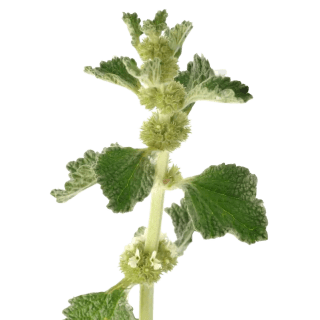
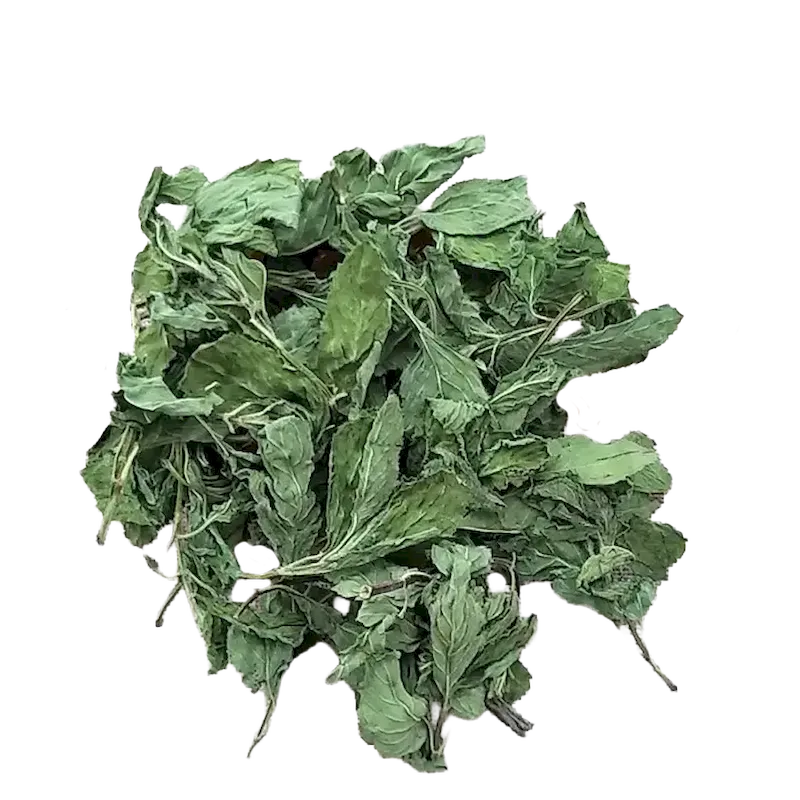
Bo He, scientifically known as Mentha haplocalyx, is a perennial herb native to East Asia, particularly China. It belongs to the Lamiaceae family and is well-known for its aromatic leaves, which are used in traditional Chinese medicine and culinary applications. Bo He has a history of use for its potential medicinal and culinary properties. نبات النعناع البري (Po He)، المعروف علميًا باسم Mentha haplocalyx، هو عشب معمر موطنه الأصلي شرق آسيا، وخاصة الصين. ينتمي إلى الفصيلة الشفوية (Lamiaceae) ويشتهر بأوراقه العطرية التي تُستخدم في الطب الصيني التقليدي وفي الطهي. للنعناع البري تاريخ طويل من الاستخدام لخصائصه الطبية والغذائية المحتملة.
Categoryالفئة
• Aromatic and cooling properties
• Traditional use for respiratory support and digestive health
• Culinary applications• خصائص عطرية ومبردة
• استخدام تقليدي لدعم الجهاز التنفسي وصحة الجهاز الهضمي
• تطبيقات في الطهي
Habitatالموطن
Bo He is typically found in moist, well-drained soils and is cultivated for its leaves. The key constituents of Bo He include menthol, menthone, and various other volatile compounds that contribute to its characteristic aroma and potential therapeutic effects.ينمو نبات البو هي عادةً في التربة الرطبة جيدة التصريف، ويُزرع من أجل أوراقه. تشمل المكونات الرئيسية للبو هي المنثول والمنثون ومركبات متطايرة أخرى متنوعة تُساهم في رائحته المميزة وفوائده العلاجية المحتملة.
Parts usedالأجزاء المستخدمة
• Leaves • أوراق
Key constituentsالمكوّنات الفعّالة
• Essential oil (menthol, menthone; also menthyl acetate, limonene, 1,8-cineole; sometimes pulegone depending on chemotype)
• Phenolic acids (rosmarinic acid; caffeic/chlorogenic derivatives)
• Flavonoids (eriocitrin; luteolin/apigenin-type flavonoid glycosides; hesperidin-type)
• Triterpenes (ursolic acid / oleanolic acid; minor)
• Polysaccharides (water-soluble fraction)• زيت عطري (المنثول، المنثون؛ وأيضًا أسيتات المنثيل، الليمونين، 1،8-سينول؛ وأحيانًا البوليغون حسب التركيب الكيميائي)
• أحماض فينولية (حمض الروزمارينيك؛ مشتقات حمض الكافيين/الكلوروجينيك)
• فلافونويدات (إريوسيتريين؛ جليكوسيدات فلافونويد من نوع اللوتولين/الأبيجينين؛ من نوع الهيسبيريدين)
• ترايتيربينات (حمض الأورسوليك/حمض الأوليانوليك؛ بكميات ضئيلة)
• عديدات السكاريد (جزء قابل للذوبان في الماء)
Researchالأبحاث
Research on Bo He has explored its aromatic and cooling properties, making it valuable for traditional use in addressing respiratory and digestive concerns. It is also used in culinary applications, but it has limited modern clinical research supporting specific medicinal claims.استكشفت الأبحاث التي أُجريت على نبات البو هي خصائصه العطرية والمبردة، مما يجعله ذا قيمة للاستخدام التقليدي في معالجة مشاكل الجهاز التنفسي والهضمي. كما يُستخدم في الطهي، إلا أن الأبحاث السريرية الحديثة التي تدعم مزاعمه الطبية المحددة لا تزال محدودة.
Published researchأبحاث منشورة
↗ Mentha haplocalyx Briq. (Mint): a comprehensive review on the botany, traditional uses, nutritional value, phytochemistry, health benefits, and applications↗ Protective effects of Mentha haplocalyx ethanol extract (MH) in a mouse model of allergic asthma↗ Purification of menthone and menthol from Mentha haplocalyx by suspension particle assisted solvent sublation, neuroprotective effect in vitro and molecular docking of menthol on amyloid-βTraditional useالاستخدام التقليدي
Bo He leaves are traditionally used for their aromatic properties and potential therapeutic benefits. They are commonly used in traditional Chinese medicine for respiratory support and digestive health. تُستخدم أوراق نبات بو هي تقليديًا لخصائصها العطرية وفوائدها العلاجية المحتملة. وهي شائعة الاستخدام في الطب الصيني التقليدي لدعم صحة الجهاز التنفسي والهضمي.
Current useالاستخدام الحالي
Bo He leaves can be prepared as herbal infusions, added to culinary dishes, or used in traditional remedies. Its uses may vary based on traditional knowledge and desired applications. It is traditionally used for respiratory support and as a flavoring agent. يمكن تحضير أوراق نبات البو هي كمشروبات عشبية، أو إضافتها إلى الأطباق، أو استخدامها في العلاجات التقليدية. وتختلف استخداماتها باختلاف المعارف التقليدية والاستخدامات المرغوبة. ويُستخدم تقليديًا لدعم الجهاز التنفسي وكمنكه.
Preparationsالتحضيرات
Culinary, Infusionطهي, منقوع
Used for these conditionsيُستخدم لهذه الحالات
Adult dosageجرعة البالغين
Dosage recommendations for Bo He may vary based on the specific product or remedy. It is typically used in appropriate quantities for the intended purpose. Consult with a qualified herbalist or healthcare provider for guidance on therapeutic dosages. قد تختلف توصيات الجرعات لنبات بو هي باختلاف المنتج أو العلاج المحدد. ويُستخدم عادةً بكميات مناسبة للغرض المقصود. استشر أخصائي أعشاب مؤهلاً أو مقدم رعاية صحية للحصول على إرشادات بشأن الجرعات العلاجية.
Child dosageجرعة الأطفال
Dosage recommendations for Bo He may vary depending on the intended use and preparation form. It is advisable to consult with a qualified herbalist or healthcare provider for guidance on dosages and usage.قد تختلف توصيات الجرعات لنبات بو هي تبعًا للاستخدام المقصود وطريقة التحضير. يُنصح باستشارة أخصائي أعشاب مؤهل أو مقدم رعاية صحية للحصول على إرشادات بشأن الجرعات وطريقة الاستخدام.
Cautionتحذيرات
Bo He is generally considered safe when used as directed in traditional herbal preparations and culinary applications. However, some individuals may be sensitive to menthol or have allergies to members of the Lamiaceae family. Use with caution if you have known allergies or sensitivities. يُعتبر نبات بو هي آمناً بشكل عام عند استخدامه وفقاً للإرشادات في المستحضرات العشبية التقليدية والاستخدامات الغذائية. مع ذلك، قد يكون بعض الأشخاص حساسين للمنثول أو لديهم حساسية تجاه نباتات الفصيلة الشفوية. لذا، يُنصح باستخدامه بحذر في حال وجود حساسية معروفة.