Introductionمقدّمة
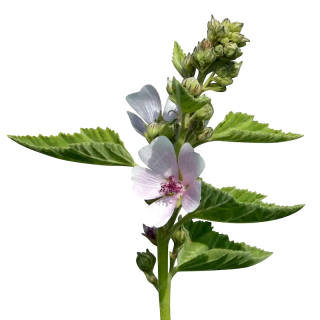
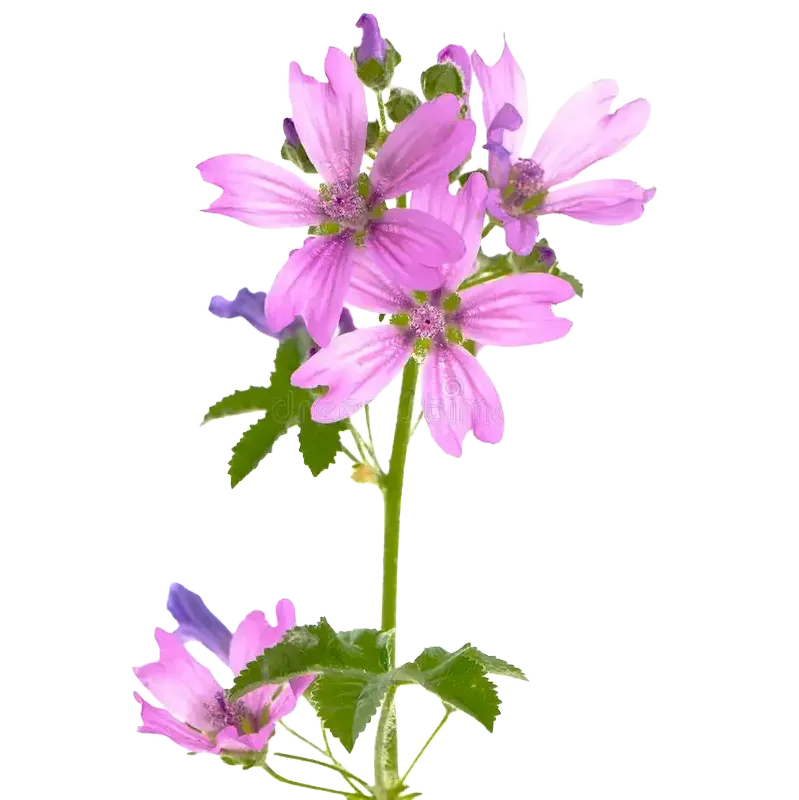
Common Mallow, scientifically known as Malva sylvestris, is a biennial or perennial herb native to Europe and Asia. It belongs to the Malvaceae family and is recognized for its culinary and potential medicinal uses. Common Mallow has a long history of use in traditional herbal medicine and culinary applications. الخبيزة الشائعة، واسمها العلمي Malva sylvestris، هي عشبة ثنائية الحول أو معمرة موطنها الأصلي أوروبا وآسيا. تنتمي إلى الفصيلة الخبازية (Malvaceae) وتُعرف بفوائدها في الطهي واستخداماتها الطبية المحتملة. للخبيزة الشائعة تاريخ طويل من الاستخدام في الطب العشبي التقليدي وفي الطهي.
Categoryالفئة
• Potential demulcent and soothing effects
• Traditional use for respiratory and digestive health
• Culinary use in salads and teas• تأثيرات ملطفة ومهدئة محتملة
• استخدام تقليدي لصحة الجهاز التنفسي والهضمي
• استخدام في الطهي في السلطات والشاي
Habitatالموطن
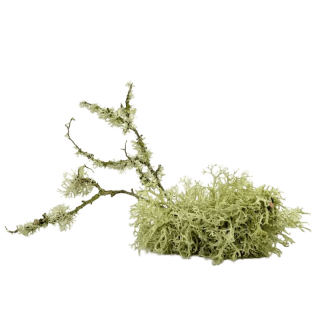
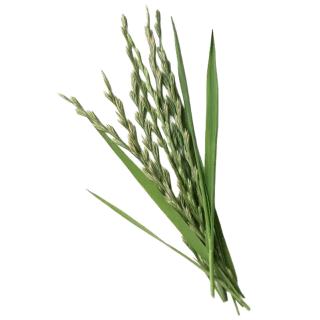
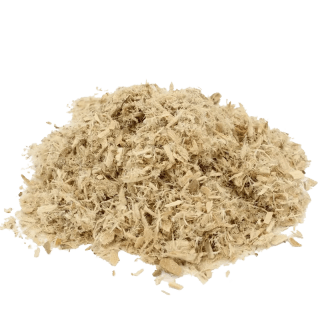
Common Mallow can be found in various habitats, including meadows, fields, and roadsides. It is often cultivated for its leaves, flowers, and seeds, which are used for culinary and medicinal purposes. The key constituents of Common Mallow include mucilage, flavonoids, and various phytochemicals. يُمكن العثور على نبات الخبيزة الشائعة في بيئات متنوعة، تشمل المروج والحقول وجوانب الطرق. ويُزرع عادةً لأوراقه وأزهاره وبذوره، التي تُستخدم في الطهي والطب. وتشمل المكونات الرئيسية للخبيزة الشائعة الصمغ النباتي والفلافونويدات والعديد من المركبات الكيميائية النباتية.
Parts usedالأجزاء المستخدمة
• Leaves
• Flowers
• Seeds• أوراق
• أزهار
• بذور
Key constituentsالمكوّنات الفعّالة
• Mucilage polysaccharides (rhamnogalacturonans/acidic polysaccharides; soothing “demulcent” fraction)
• Pectins + other polysaccharides (water-soluble carbs)
• Anthocyanins (malvin; malvidin/delphinidin-type pigments, mainly in flowers)
• Flavonoids (flavonol/flavone glycosides; sulfated flavonoids reported)
• Phenolic acids (hydroxycinnamic acids such as chlorogenic/caffeic-type)
• Tannins (astringent polyphenols)
• Organic acids (malic/citric/oxalic-type)
• Fatty acids (incl. linoleic and α-linolenic; minor lipid fraction)• عديدات السكاريد المخاطية (الرامنوغالاكتورانان/عديدات السكاريد الحمضية؛ الجزء الملطف)
• البكتين + عديدات السكاريد الأخرى (كربوهيدرات قابلة للذوبان في الماء)
• الأنثوسيانين (المالفين؛ أصباغ من نوع المالفيدين/الدلفينيدين، توجد بشكل رئيسي في الأزهار)
• الفلافونويدات (جليكوسيدات الفلافونول/الفلافون؛ تم الإبلاغ عن وجود فلافونويدات مكبرتة)
• الأحماض الفينولية (أحماض الهيدروكسي سيناميك مثل حمض الكلوروجينيك/حمض الكافيين)
• التانينات (بوليفينولات قابضة)
• الأحماض العضوية (من نوع الماليك/الستريك/الأكساليك)
• الأحماض الدهنية (بما في ذلك حمض اللينوليك وحمض ألفا لينولينيك؛ جزء دهني ثانوي)
Researchالأبحاث
Research on Common Mallow has explored its potential demulcent and soothing effects, making it valuable for addressing various mild health concerns. It is also used in culinary preparations and herbal remedies. استكشفت الأبحاث التي أُجريت على نبات الخبيزة الشائعة خصائصه المُلطفة والمهدئة، مما يجعله ذا قيمة في معالجة العديد من المشاكل الصحية البسيطة. كما يُستخدم في تحضير الأطعمة والعلاجات العشبية.
Published researchأبحاث منشورة
↗ Efficacy of the Malva sylvestris L. flowers aqueous extract for functional constipation: A placebo-controlled trial↗ Efficacy of Short Term Topical Malva Sylvestris L. Cream in Pediatric Patients with Atopic Dermatitis: A Randomized Double-Blind Placebo-Controlled Clinical Trial↗ The phytochemical profiling, pharmacological activities, and safety of malva sylvestris: a reviewTraditional useالاستخدام التقليدي
Common Mallow has a rich tradition of use in both culinary and herbal contexts. The leaves, flowers, and seeds are utilized for their potential therapeutic benefits and culinary appeal.تتمتع الخبيزة الشائعة بتقاليد عريقة في الاستخدام في كل من الطهي والطب العشبي. وتُستخدم أوراقها وأزهارها وبذورها لفوائدها العلاجية المحتملة ومذاقها المميز في الطهي.
Current useالاستخدام الحالي
Common Mallow can be prepared in various ways, including as herbal infusions, poultices, or incorporated into salads and teas. Its uses vary based on traditional knowledge and desired applications. It is traditionally used for respiratory and digestive health. يمكن تحضير نبات الخبيزة الشائعة بطرق متنوعة، منها تحضير مشروبات عشبية، أو كمادات، أو إضافتها إلى السلطات والشاي. وتختلف استخداماتها باختلاف المعارف التقليدية والاستخدامات المرغوبة. ويُستخدم تقليدياً لصحة الجهاز التنفسي والهضمي.
Preparationsالتحضيرات
Culinary, Infusion, Poultice, Tea, Whole (Fresh/Dried)شاي, طهي, كامل (طازج/مجفف), لبخة, منقوع
Used for these conditionsيُستخدم لهذه الحالات
Adult dosageجرعة البالغين
Dosage recommendations for Common Mallow can vary based on the specific culinary or herbal preparation. It is typically used in appropriate quantities for the intended purpose, such as in herbal infusions or culinary dishes. Consult with a qualified herbalist or healthcare provider for guidance on therapeutic dosages.تختلف توصيات جرعات نبات الخبيزة الشائعة باختلاف طريقة تحضيره، سواءً كانت طهياً أو تحضيراً عشبياً. ويُستخدم عادةً بكميات مناسبة للغرض المقصود، كإضافته إلى المشروبات العشبية أو أطباق الطهي. يُنصح باستشارة أخصائي أعشاب مؤهل أو مقدم رعاية صحية للحصول على إرشادات حول الجرعات العلاجية.
Child dosageجرعة الأطفال
Dosage recommendations for Common Mallow can vary depending on the intended use and preparation form. It is advisable to consult with a qualified herbalist or healthcare provider for guidance on dosages and usage. تختلف توصيات الجرعات لنبات الخبيزة الشائعة باختلاف الاستخدام المقصود وطريقة التحضير. يُنصح باستشارة أخصائي أعشاب مؤهل أو مقدم رعاية صحية للحصول على إرشادات بشأن الجرعات وطريقة الاستخدام.
Cautionتحذيرات
Common Mallow is generally considered safe when used as directed in culinary or herbal preparations. However, individual reactions may vary. If you have any allergies or sensitivities to similar plants or ingredients, exercise caution. Consult with a qualified healthcare provider if you have underlying health conditions or are taking medications. يُعتبر نبات الخبيزة آمناً بشكل عام عند استخدامه وفقاً للإرشادات في الطهي أو تحضير الأعشاب. مع ذلك، قد تختلف ردود الفعل الفردية. إذا كنت تعاني من أي حساسية تجاه نباتات أو مكونات مشابهة، فتوخَّ الحذر. استشر طبيباً مختصاً إذا كنت تعاني من أي مشاكل صحية أو تتناول أدوية.