Introductionمقدّمة
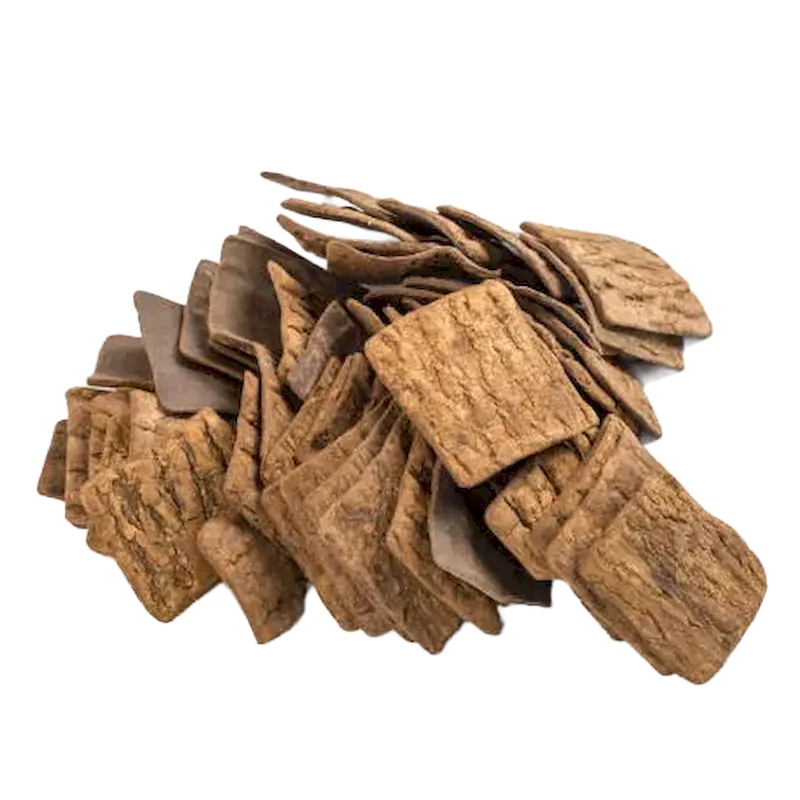
Eucommia Bark, scientifically known as Eucommia ulmoides, is the dried bark of the Eucommia tree. It is native to China and is a member of the Eucommiaceae family. Eucommia Bark has a long history of use in traditional Chinese medicine (TCM) and is recognized for its potential medicinal properties, particularly its role in supporting overall health and wellness. لحاء شجرة الأوكوميا، المعروف علميًا باسم Eucommia ulmoides، هو اللحاء المجفف لشجرة الأوكوميا. موطنها الأصلي الصين، وهي من عائلة الأوكوميات. يُستخدم لحاء الأوكوميا منذ القدم في الطب الصيني التقليدي، ويُعرف بخصائصه العلاجية المحتملة، ولا سيما دوره في دعم الصحة العامة والعافية.
Categoryالفئة
• Potential tonic and adaptogenic effects
• Potential support for joints and bones
• Scientific interest in its unique compound (eucosterol)• تأثيرات منشطة ومكيفة محتملة
• دعم محتمل للمفاصل والعظام
• اهتمام علمي بمركبه الفريد (يوكوستيرول)
Habitatالموطن
Eucommia trees are native to China and are often cultivated in regions with suitable environmental conditions. The bark of Eucommia trees is harvested and dried for its traditional use in TCM. Eucommia Bark is appreciated for its potential therapeutic benefits and is considered a valuable herb in TCM.أشجار الأوكوميا موطنها الأصلي الصين، وتُزرع عادةً في المناطق ذات الظروف البيئية الملائمة. يُحصد لحاء أشجار الأوكوميا ويُجفف لاستخدامه التقليدي في الطب الصيني التقليدي. يُقدّر لحاء الأوكوميا لفوائده العلاجية المحتملة، ويُعتبر عشبًا قيّمًا في هذا المجال.
Parts usedالأجزاء المستخدمة
• Bark • نباح
Key constituentsالمكوّنات الفعّالة
• Lignans (pinoresinol diglucoside, syringaresinol)
• Iridoids (geniposidic acid, aucubin)
• Phenolic compounds (chlorogenic acid, caffeic acid)
• Flavonoids (quercetin, kaempferol, rutin)
• Sterols (eucosterol, β-sitosterol)
• Polysaccharides (immunomodulating compounds)
• Gutta-percha (natural latex polymer)
• Triterpenes• الليغنانات (بينوريسينول ديغلوكوزيد، سيرينجاريسينول)
• الإيريدويدات (حمض الجينيبوسيديك، أوكوبين)
• المركبات الفينولية (حمض الكلوروجينيك، حمض الكافيين)
• الفلافونويدات (كيرسيتين، كامفيرول، روتين)
• الستيرولات (يوكوستيرول، بيتا سيتوستيرول)
• السكريات المتعددة (مركبات معدلة للمناعة)
• غوتا بيركا (بوليمر لاتكس طبيعي)
• التريتربينات
Researchالأبحاث
Research on Eucommia Bark has explored its chemical constituents, including the unique compound eucosterol, and its potential tonic, adaptogenic, and joint-supporting effects. It is traditionally used for overall health and wellness, particularly in TCM, and has gained scientific interest due to its unique properties.استكشفت الأبحاث التي أُجريت على لحاء نبات الأوكوميا مكوناته الكيميائية، بما في ذلك مركب الأوكوستيرول الفريد، وتأثيراته المحتملة كمنشط ومُكيف ومُدعم للمفاصل. ويُستخدم تقليديًا لتحسين الصحة العامة والعافية، لا سيما في الطب الصيني التقليدي، وقد حظي باهتمام علمي متزايد نظرًا لخصائصه الفريدة.
Traditional useالاستخدام التقليدي
Eucommia Bark is a fundamental herb in TCM and is used to support overall health and vitality. It is employed for various purposes, including its potential role in promoting joint and bone health. The bark is the part used for medicinal purposes. يُعدّ لحاء نبات الأوكوميا عشبة أساسية في الطب الصيني التقليدي، ويُستخدم لدعم الصحة العامة والحيوية. ويُستخدم لأغراض متنوعة، بما في ذلك دوره المحتمل في تعزيز صحة المفاصل والعظام. ويُستخدم اللحاء تحديدًا للأغراض الطبية.
Current useالاستخدام الحالي
The bark of the Eucommia tree is the primary part used for its potential medicinal properties. It is typically prepared as a decoction (boiled in water) or used in traditional TCM formulas for overall health and wellness. يُعد لحاء شجرة الأوكوميا الجزء الأساسي المستخدم لخصائصه الطبية المحتملة. ويُحضّر عادةً على شكل مغلي (يُغلى في الماء) أو يُستخدم في وصفات الطب الصيني التقليدي لتحسين الصحة العامة والعافية.
Preparationsالتحضيرات
Decoctionمغلي
Used for these conditionsيُستخدم لهذه الحالات
Adult dosageجرعة البالغين
Dosage recommendations for Eucommia Bark in TCM may vary depending on the specific TCM formula and individualized prescriptions provided by qualified TCM practitioners. It is advisable to consult with a qualified TCM practitioner for guidance on dosages and usage.قد تختلف توصيات جرعات لحاء نبات الأوكوميا في الطب الصيني التقليدي تبعًا للتركيبة الطبية المحددة والوصفات الفردية التي يقدمها ممارسو الطب الصيني التقليدي المؤهلون. يُنصح باستشارة ممارس مؤهل في الطب الصيني التقليدي للحصول على إرشادات حول الجرعات وطريقة الاستخدام.
Child dosageجرعة الأطفال
Dosage recommendations for Eucommia Bark in TCM may vary depending on the specific TCM formula and individualized prescriptions provided by qualified TCM practitioners. It is advisable to consult with a qualified TCM practitioner for guidance on dosages and usage.قد تختلف توصيات جرعات لحاء نبات الأوكوميا في الطب الصيني التقليدي تبعًا للتركيبة الطبية المحددة والوصفات الفردية التي يقدمها ممارسو الطب الصيني التقليدي المؤهلون. يُنصح باستشارة ممارس مؤهل في الطب الصيني التقليدي للحصول على إرشادات حول الجرعات وطريقة الاستخدام.
Cautionتحذيرات
Generally well tolerated. Note that Eucommia bark can lower blood pressure; if you take antihypertensive (blood-pressure) medication, monitor for excessive lowering, dizziness or light-headedness and consult your healthcare provider. Individual reactions may vary.جيّد التحمّل عمومًا. يُذكر أن لحاء الأوكوميا قد يخفض ضغط الدم؛ فإذا كنت تتناول أدوية خافضة للضغط، راقب انخفاضه المفرط أو الدوخة واستشر مقدّم الرعاية الصحية. وقد تختلف ردود الفعل الفردية.