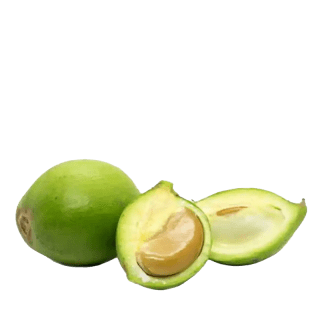
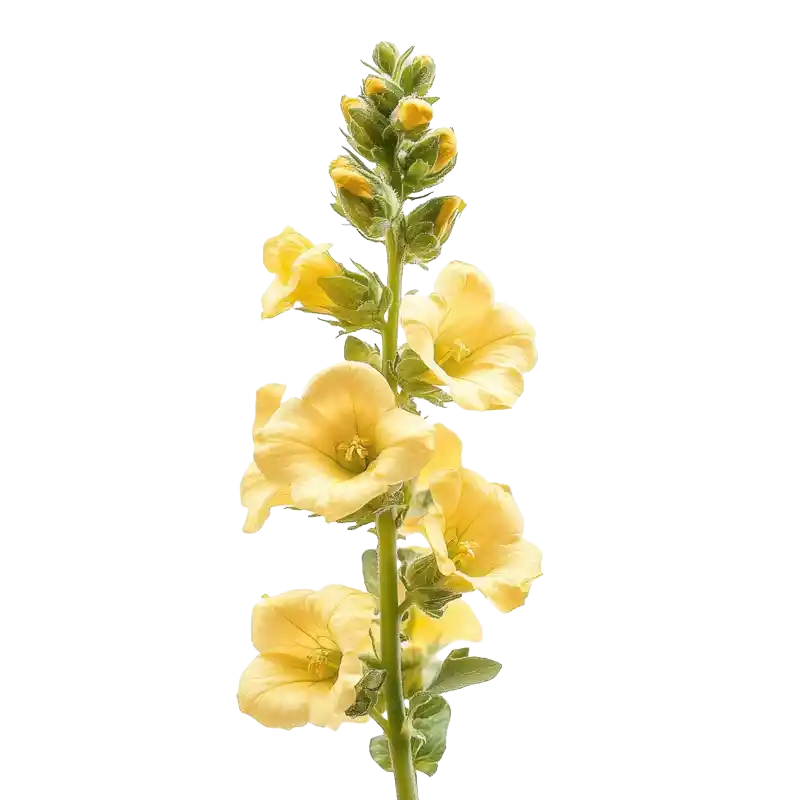
Introductionمقدّمة
Verbascum sinuatum (wavyleaf mullein) is a Mediterranean mullein used in folk medicine for coughs, the chest, earache and skin. Like other mulleins it is rich in soothing mucilage and iridoid/verbascoside compounds with anti-inflammatory activity.البوصير المُتموّج (Verbascum sinuatum) بوصيرٌ متوسّطيّ يُستعمل شعبياً للسعال والصدر وألم الأذن والجلد. وهو — كسائر البوصير — غنيّ بالصمغ المُهدِّئ ومركّبات الإيريدويد/الفيرباسكوزيد ذات النشاط المضاد للالتهاب.
Categoryالفئة
• Mullein family — chest & cough herb
• Anti-inflammatory
• Antioxidant
• Wound / skin soothing
• Traditional ear & respiratory use• من فصيلة البوصير — عشبة الصدر والسعال
• مضاد للالتهاب
• مضاد للأكسدة
• مُهدِّئ للجروح/الجلد
• استعمال تقليدي للأذن والتنفّس
Habitatالموطن
A tall, woolly biennial of dry roadsides and waste ground around the Mediterranean, with a rosette of wavy leaves and yellow flowers.نبتةٌ ثنائية الحول طويلة صوفية في حواف الطرق الجافّة والأراضي البور حول المتوسّط، بوريدةٍ من الأوراق المُتموّجة وأزهارٍ صفراء.
Parts usedالأجزاء المستخدمة
• Flowers
• Leaves
• Root (traditional)• الأزهار
• الأوراق
• الجذر (تقليدي)
Key constituentsالمكوّنات الفعّالة
• Mucilage
• Iridoid glycosides (aucubin)
• Verbascoside (phenylethanoid)
• Flavonoids
• Saponins• صمغ (ميوسيلاج)
• غليكوزيدات إيريدويدية (أوكوبين)
• فيرباسكوزيد (فينيل إيثانويد)
• فلافونويدات
• صابونينات
Researchالأبحاث
Research on mulleins links their polyphenol and verbascoside content to measurable anti-inflammatory and antioxidant activity, supporting the traditional use of the flowers and leaves for coughs, sore throat and inflamed skin. Most data are laboratory-based.يربط البحث في البوصير بين محتواه من البوليفينول والفيرباسكوزيد ونشاطٍ مضاد للالتهاب والأكسدة قابلٍ للقياس، بما يدعم الاستعمال التقليدي للأزهار والأوراق للسعال والتهاب الحلق والجلد الملتهب. ومعظم البيانات مخبرية.
Published researchأبحاث منشورة
Traditional useالاستخدام التقليدي
Used around the Mediterranean and Levant as a cough and chest remedy, a gargle for sore throat, warmed flower-oil for earache, and a poultice for wounds, piles and skin inflammation.يُستعمل حول المتوسّط والشام دواءً للسعال والصدر، وغرغرةً لالتهاب الحلق، وزيت أزهار مُدفَّأ لألم الأذن، ولبخةً للجروح والبواسير والتهاب الجلد.
Current useالاستخدام الحالي
Used in herbal cough teas and mullein flower-oil ear drops; the flowers are the gentlest part.يُستعمل في شاي السعال العشبي وقطرة زيت أزهار البوصير للأذن؛ والأزهار ألطف الأجزاء.
Preparationsالتحضيرات
Flower/leaf infusion, Flower-oil ear drops, Poultice, Gargleنقيع أزهار/أوراق، قطرة زيت أزهار للأذن، لبخة، غرغرة
Used for these conditionsيُستخدم لهذه الحالات
Adult dosageجرعة البالغين
Flower/leaf infusion 1.5–2 g in a cup of water, up to 3 times daily; strain well.نقيع أزهار/أوراق 1.5–2 غ في كوب ماء، حتى 3 مرات يومياً؛ صفِّه جيداً.
Child dosageجرعة الأطفال
Mild, well-strained flower tea can be used for children's coughs.شاي الأزهار الخفيف المُصفّى جيداً يُستعمل لسعال الأطفال.
Cautionتحذيرات
Generally gentle and safe. Always strain the tea through fine cloth to remove the tiny leaf hairs, which can irritate the throat. Do not put oil in the ear if the eardrum may be perforated. The seeds are toxic (contain saponins) — use only flowers/leaves.لطيفٌ وآمن عموماً. صفِّ الشاي دائماً بقماشٍ ناعم لإزالة زُغيبات الأوراق الدقيقة التي قد تُهيّج الحلق. ولا تضع الزيت في الأذن إن احتُمل ثقب الطبلة. والبذور سامّة (تحوي صابونينات) — استعمِل الأزهار/الأوراق فقط.
Pregnancy & nursingالحمل والرضاعة
Little data — use only mild flower tea occasionally in pregnancy, or avoid.بياناتٌ قليلة — استعمِل شاي الأزهار الخفيف أحياناً فقط في الحمل، أو تجنّبه.