Introductionمقدّمة
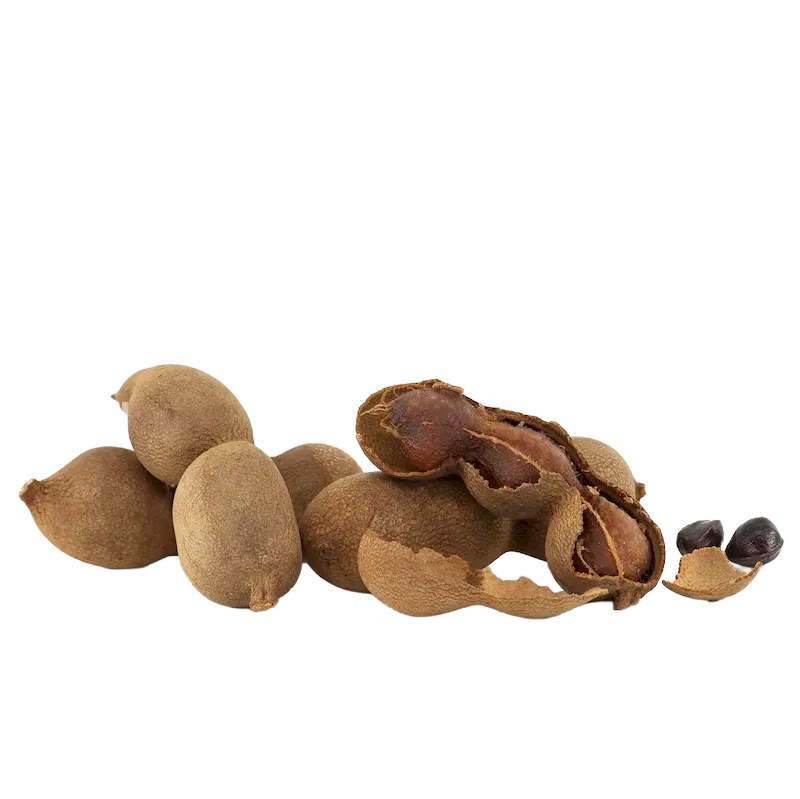
Tamarind, scientifically known as Tamarindus indica, is a tropical tree native to Africa but widely cultivated and recognized for its fruit. It belongs to the Fabaceae family and is known for its tangy, flavorful pulp and potential medicinal properties. Tamarind has a history of culinary and medicinal use in various cultures. التمر الهندي، المعروف علميًا باسم Tamarindus indica، شجرة استوائية موطنها الأصلي أفريقيا، لكنها تُزرع على نطاق واسع وتُشتهر بثمارها. تنتمي إلى الفصيلة البقولية (Fabaceae)، وتُعرف بلبّها ذي النكهة اللاذعة والغنية، وخصائصها الطبية المحتملة. للتمر الهندي تاريخ طويل من الاستخدام في الطهي والطب في ثقافات مختلفة.
Categoryالفئة
• Digestive aid
• Potential antioxidant effects
• Limited modern research• مُساعد للهضم
• تأثيرات مضادة للأكسدة محتملة
• أبحاث حديثة محدودة
Habitatالموطن
Tamarind trees thrive in tropical regions and are commonly cultivated in countries with warm climates. The fruit, pulp, seeds, and leaves of the Tamarind tree are used for various purposes, including culinary and medicinal applications. تزدهر أشجار التمر الهندي في المناطق الاستوائية، وتُزرع بكثرة في البلدان ذات المناخ الدافئ. وتُستخدم ثمارها ولُبّها وبذورها وأوراقها لأغراض متنوعة، منها الطهي والطب.
Parts usedالأجزاء المستخدمة
• Fruit pulp
• Seeds
• Leaves• لب الفاكهة
• البذور
• الأوراق
Key constituentsالمكوّنات الفعّالة
• Fruit pulp: organic acids dominated by tartaric acid (major), with malic, citric, acetic, formic, succinic, oxalic and fumaric acids; invert sugars (25–30%), amino acids, pectin, mucilage and volatile furan derivatives and carboxylic acids.
• Pericarp and pulp phenolics: proanthocyanidins and flavonoids such as catechin, epicatechin, procyanidin B2 and higher oligomeric procyanidins, plus taxifolin, eriodictyol, naringenin and other phenolic antioxidants.
• Seeds: mainly oligomeric procyanidins (tetramer, hexamer, trimer, pentamer) with smaller amounts of procyanidin B2 and epicatechin, along with proteins, carbohydrates, fats and minerals.
• Other plant parts (leaves, bark, roots): tannins, flavonoids, saponins, alkaloids, glycosides, sesquiterpenes and (+)‑pinitol, plus essential elements and fatty acids in various extracts.• لب الثمرة: أحماض عضوية يغلب عليها حمض الطرطريك (الرئيسي)، مع أحماض الماليك، والستريك، والأسيتيك، والفورميك، والساكسينيك، والأكساليك، والفوماريك؛ سكريات محوّلة (25-30%)، وأحماض أمينية، وبكتين، ومواد هلامية، ومشتقات فوران متطايرة، وأحماض كربوكسيلية.
• المركبات الفينولية في غلاف الثمرة ولبها: بروانثوسيانيدينات وفلافونويدات مثل الكاتشين، والإبيكاتشين، والبروسيانيدين B2، والبروسيانيدينات قليلة الوحدات، بالإضافة إلى التاكسيفولين، والإريوديكتيول، والنارينجينين، ومضادات أكسدة فينولية أخرى.
• البذور: تحتوي بشكل رئيسي على بروسيانيدينات قليلة الوحدات (رباعي، سداسي، ثلاثي، خماسي) مع كميات أقل من البروسيانيدين B2 والإبيكاتشين، إلى جانب البروتينات، والكربوهيدرات، والدهون، والمعادن.
• أجزاء أخرى من النبات (الأوراق، اللحاء، الجذور): التانينات، الفلافونويدات، الصابونين، القلويدات، الجليكوسيدات، السيسكويتربينات و(+)‑بينيتول، بالإضافة إلى العناصر الأساسية والأحماض الدهنية في مستخلصات مختلفة.
Researchالأبحاث
Research on Tamarind has explored its chemical constituents, including tartaric acid, vitamin C, and fiber. It is traditionally associated with digestive aid properties and potential antioxidant effects, although there is limited modern research on its specific therapeutic properties.استكشفت الأبحاث التي أُجريت على التمر الهندي مكوناته الكيميائية، بما في ذلك حمض الطرطريك وفيتامين ج والألياف. ويرتبط تقليدياً بخصائصه المساعدة على الهضم وتأثيراته المضادة للأكسدة المحتملة، على الرغم من أن الأبحاث الحديثة حول خصائصه العلاجية المحددة محدودة.
Published researchأبحاث منشورة
↗ Botanical aspects, phytochemicals, and toxicity of Tamarindus indica leaf and a systematic review of antioxidant capacities of T. indica leaf extracts↗ Effect of tamarind (Tamarindus indica L.) on the cardiometabolic health of patients living with HIV and elevated triglyceride levels: a dose-response double-blind, randomized exploratory trial↗ Efficacy of a proprietary combination of Tamarindus indica seeds and Curcuma longa rhizome extracts in osteoarthritis: a clinical investigationTraditional useالاستخدام التقليدي
Various parts of the Tamarind tree, including the fruit pulp, seeds, and leaves, are used for various purposes. It is traditionally known for its culinary uses, particularly in flavoring dishes and beverages, and may be used for digestive support and potential antioxidant benefits. تُستخدم أجزاء مختلفة من شجرة التمر الهندي، بما في ذلك لب الثمرة والبذور والأوراق، لأغراض متنوعة. وهي معروفة تقليديًا باستخداماتها في الطهي، وخاصة في تتبيل الأطباق والمشروبات، ويمكن استخدامها لدعم عملية الهضم وفوائدها المحتملة كمضاد للأكسدة.
Current useالاستخدام الحالي
Tamarind can be consumed as fresh fruit pulp, added to culinary dishes, or used in herbal preparations. Its uses may vary based on traditional knowledge and desired applications. It is traditionally employed for its culinary flavor and potential digestive and antioxidant benefits. يمكن تناول التمر الهندي كعصير فاكهة طازج، أو إضافته إلى أطباق الطهي، أو استخدامه في تحضير الأعشاب. وتختلف استخداماته باختلاف المعارف التقليدية والاستخدامات المرغوبة. ويُستخدم تقليديًا لنكهته المميزة وفوائده المحتملة في تحسين الهضم ومضادات الأكسدة.
Preparationsالتحضيرات
Culinary, Whole (Fresh/Dried)طهي, كامل (طازج/مجفف)
Used for these conditionsيُستخدم لهذه الحالات
Adult dosageجرعة البالغين
Dosage recommendations for Tamarind may vary based on the specific culinary or medicinal use. It is typically used in appropriate quantities for the intended purpose, whether as a flavoring agent or for potential health benefits. Consult with a qualified herbalist or healthcare provider for guidance on therapeutic dosages. قد تختلف توصيات جرعات التمر الهندي باختلاف الاستخدام المحدد، سواءً كان طهيًا أو علاجًا. ويُستخدم عادةً بكميات مناسبة للغرض المقصود، سواءً كان ذلك كمنكه أو للاستفادة من فوائده الصحية المحتملة. استشر أخصائي أعشاب مؤهلًا أو مقدم رعاية صحية للحصول على إرشادات بشأن الجرعات العلاجية.
Child dosageجرعة الأطفال
Dosages for Tamarind may vary depending on the intended use and preparation form. When used as a culinary ingredient, it can be added to taste. For specific medicinal applications, consult with a qualified herbalist or healthcare provider for guidance on dosages and usage.قد تختلف جرعات التمر الهندي باختلاف الاستخدام المقصود وطريقة التحضير. عند استخدامه كمكون في الطهي، يمكن إضافته حسب الرغبة. أما بالنسبة للاستخدامات الطبية المحددة، فيُرجى استشارة أخصائي أعشاب مؤهل أو مقدم رعاية صحية للحصول على إرشادات حول الجرعات وطريقة الاستخدام.
Cautionتحذيرات
Tamarind is generally considered safe when consumed in moderate amounts as a food or for culinary purposes. However, individuals with digestive sensitivities or allergies should use it with caution. As with any food or herbal remedy, individual reactions may vary, so consult with a qualified healthcare provider if you have any underlying health conditions or are taking medications. يُعتبر التمر الهندي آمناً بشكل عام عند تناوله بكميات معتدلة كغذاء أو لأغراض الطهي. مع ذلك، ينبغي على الأشخاص الذين يعانون من حساسية في الجهاز الهضمي أو حساسية تجاه بعض المواد استخدامه بحذر. وكما هو الحال مع أي طعام أو علاج عشبي، قد تختلف ردود الفعل الفردية، لذا يُنصح باستشارة طبيب مختص إذا كنت تعاني من أي مشاكل صحية أو تتناول أدوية.