Introductionمقدّمة
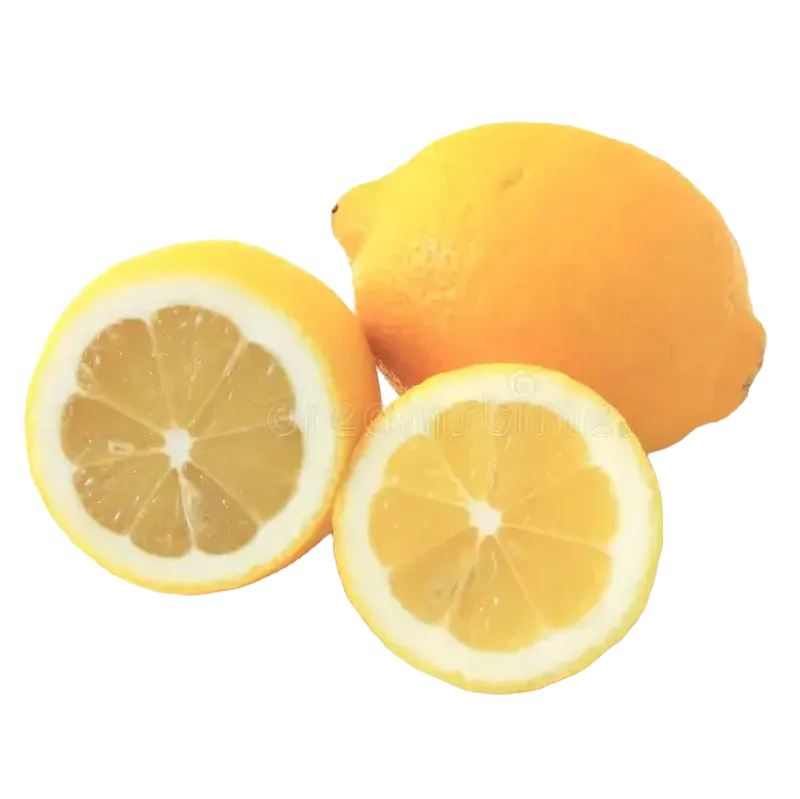
Lemon is a widely used citrus fruit known for its high vitamin C content and refreshing flavor. الليمون فاكهة حمضية شائعة الاستخدام ومعروفة بمحتواها العالي من فيتامين سي ونكهتها المنعشة.
Categoryالفئة
• Antioxidant
• Immune-boosting
• Antibacterial
• Alkalizing• مضاد للأكسدة
• معزز للمناعة
• مضاد للبكتيريا
• قلوي
Habitatالموطن
Originating in Asia, lemon trees thrive in warm, sunny climates and well-drained soil. تزدهر أشجار الليمون، التي نشأت في آسيا، في المناخات الدافئة والمشمسة والتربة جيدة التصريف.
Parts usedالأجزاء المستخدمة
• Fruit (juice and peel) • الفاكهة (العصير والقشر)
Key constituentsالمكوّنات الفعّالة
• Vitamin C (ascorbic acid — high concentration)
• Citric acid (primary organic acid, 5–8% of fruit)
• Limonene (primary monoterpene in peel oil, 60–70%)
• Beta-pinene
• Gamma-terpinene
• Linalool
• Citral (neral + geranial)
• Flavonoids (eriocitrin, hesperidin, diosmin, naringenin)
• Flavone glycosides (limocitrin)
• Phenolic acids (caffeic acid, ferulic acid, p-coumaric acid)
• Coumarins (bergapten, imperatorin, isopimpinellin)
• Pectin (soluble dietary fiber)
• Limonoids (limonin, nomilin)
• Potassium
• Calcium
• Magnesium• فيتامين ج (حمض الأسكوربيك - تركيز عالٍ)
• حمض الستريك (حمض عضوي أساسي، 5-8% من الفاكهة)
• الليمونين (مونوتيربين أساسي في زيت القشرة، 60-70%)
• بيتا-بينين
• جاما-تربينين
• لينالول
• سيترال (نيرال + جيرانيال)
• فلافونويدات (إريوسيتريين، هيسبيريدين، ديوسمين، نارينجينين)
• جليكوسيدات الفلافون (ليموسيتريين)
• أحماض فينولية (حمض الكافيين، حمض الفيروليك، حمض الكوماريك)
• كومارينات (بيرجابتين، إمبيراتورين، إيزوبيبمبينيلين)
• بكتين (ألياف غذائية قابلة للذوبان)
• ليمونويدات (ليمونين، نوميلين)
• بوتاسيوم
• كالسيوم
• مغنيسيوم
Researchالأبحاث
Lemon research focuses on its high vitamin C content and antioxidant properties, contributing to its potential benefits in boosting immunity and promoting overall health. تركز الأبحاث المتعلقة بالليمون على محتواه العالي من فيتامين سي وخصائصه المضادة للأكسدة، مما يساهم في فوائده المحتملة في تعزيز المناعة وتحسين الصحة العامة.
Published researchأبحاث منشورة
↗ A review of citrus plants as functional foods and dietary supplements for human health, with an emphasis on meta-analyses, clinical trials, and their chemical composition↗ The effect of lemon inhalation aromatherapy on blood pressure, electrocardiogram changes, and anxiety in acute myocardial infarction patients: A clinical, multi-centered, assessor-blinded trial design↗ Citrus limon (Lemon) Phenomenon-A ReviewTraditional useالاستخدام التقليدي
Used for its nutritional value, in detoxification, and to enhance flavor in foods and drinks. يستخدم لقيمته الغذائية، وفي إزالة السموم، ولتحسين النكهة في الأطعمة والمشروبات.
Current useالاستخدام الحالي
Used fresh in foods and beverages, and as an essential oil for aromatherapy and skin care. يُستخدم طازجًا في الأطعمة والمشروبات، وكزيت عطري للعلاج بالروائح والعناية بالبشرة.
Preparationsالتحضيرات
Essential Oil, Juice, Whole (Fresh/Dried)زيت عطري, عصير, كامل (طازج/مجفف)
Used for these conditionsيُستخدم لهذه الحالات
Adult dosageجرعة البالغين
Culinary use as desired; medicinal dosages depend on the form and purpose. الاستخدام في الطهي حسب الرغبة؛ أما الجرعات الطبية فتعتمد على الشكل والغرض.
Child dosageجرعة الأطفال
Safe in food amounts; dosages for medicinal use should be professional-guided. آمن عند تناوله بكميات غذائية؛ أما الجرعات المستخدمة في الطب فيجب أن تكون تحت إشراف طبي.
Cautionتحذيرات
Lemon juice can erode tooth enamel. Cold-pressed lemon peel essential oil is phototoxic (contains bergapten and other furocoumarins); dilute in a carrier oil and avoid sun or UV exposure on treated skin for at least 12–18 hours to prevent burns and pigmentation.يمكن لعصير الليمون أن يؤدي إلى تآكل مينا الأسنان. زيت قشر الليمون المعصور على البارد سام ضوئياً (يحتوي على البيرغابتين وفوروكومارينات أخرى)؛ يُخفَّف بزيت ناقل ويُتجنّب التعرّض للشمس أو الأشعة فوق البنفسجية على الجلد المعالَج لمدة 12-18 ساعة على الأقل لتجنّب الحروق والتصبّغ.