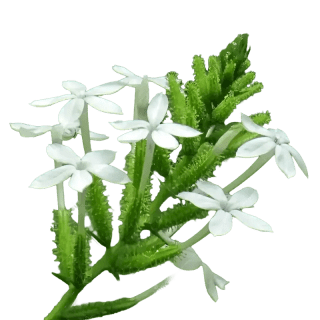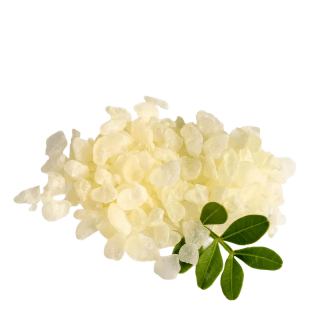
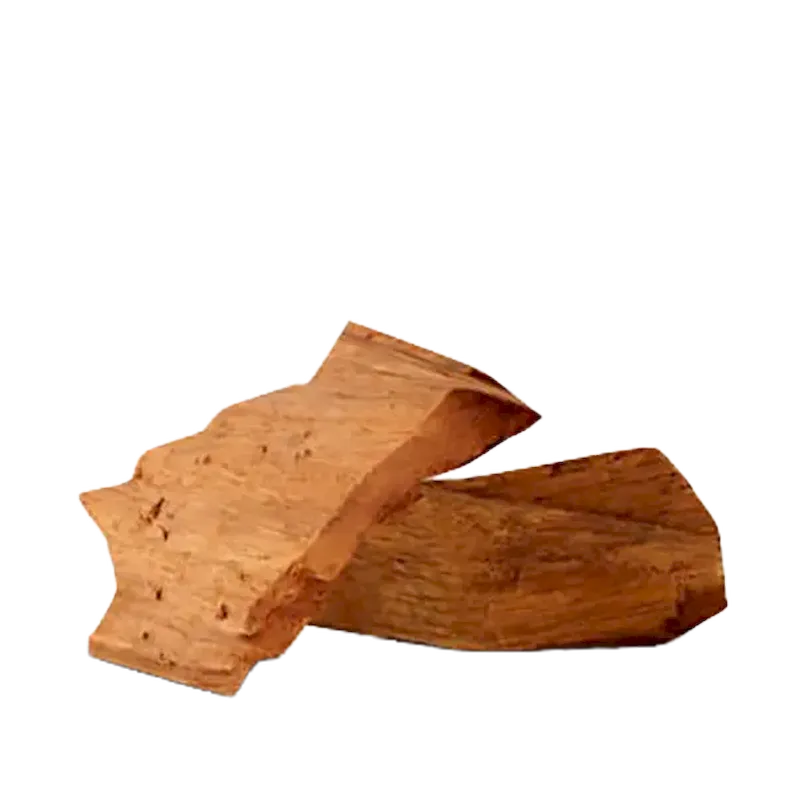
Introductionمقدّمة
Kino, scientifically known as Pterocarpus marsupium, is a tree species belonging to the Fabaceae family. It is notable for its gum resin, known as kino, which has been used traditionally for its potential medicinal properties. شجرة الكينو، واسمها العلمي Pterocarpus marsupium، هي نوع من الأشجار ينتمي إلى عائلة البقوليات (Fabaceae). وتشتهر هذه الشجرة بصمغها الراتنجي المعروف باسم الكينو، والذي استُخدم تقليديًا لخصائصه الطبية المحتملة.
Categoryالفئة
• Astringent
• Traditional use for wound healing and digestive support• قابض
• الاستخدام التقليدي لالتئام الجروح ودعم الجهاز الهضمي
Habitatالموطن
Kino trees are native to parts of Asia, including India and Sri Lanka. They typically grow in tropical and subtropical regions and are valued for the gum resin obtained from the tree trunk. Kino gum is the primary part used and has historical significance in traditional medicine. أشجار الكينو موطنها الأصلي أجزاء من آسيا، بما في ذلك الهند وسريلانكا. تنمو عادةً في المناطق الاستوائية وشبه الاستوائية، وتُقدّر قيمتها لصمغ الراتنج المستخرج من جذعها. يُعدّ صمغ الكينو الجزء الأساسي المستخدم، وله أهمية تاريخية في الطب التقليدي.
Parts usedالأجزاء المستخدمة
• Gum resin (Kino)• صمغ الراتنج (كينو)
Key constituentsالمكوّنات الفعّالة
• Tannins (major fraction of kino): kinotannic acid (a glucosidal tannin), kino‑red (anhydride of kinoin), kinoin (an insoluble phlobaphene), plus catechol (k‑pyrocatechin), gallic acid and related tannin‑type polyphenols.
• Flavonoids and related polyphenols (mainly heartwood/bark): epicatechin, liquiritigenin, isoliquiritigenin, pterosupin, marsupsin/marsupol, carpusin/carsupin, pterostilbene, macrocarposide and other flavanones, isoflavones and stilbenes.
• Other constituents: beta‑eudesmol and additional terpenoids, resinous components, and minor phenolic acids contributing to overall astringent and antioxidant character.
• التانينات (الجزء الأكبر من الكينو): حمض الكينوتانيك (تانين غلوكوزيدي)، كينو-ريد (أنهيدريد الكينوين)، كينوين (فلوبافين غير قابل للذوبان)، بالإضافة إلى الكاتيكول (ك-بيروكاتيشين)، وحمض الغاليك، ومركبات البوليفينول المشابهة للتانين.
• الفلافونويدات ومركبات البوليفينول المشابهة (بشكل رئيسي في خشب القلب/اللحاء): إبيكاتشين، ليكوريتيجينين، إيزوليكويريتيجينين، بتيروسوبين، مارسبسين/مارسوبول، كاربوسين/كارسوبين، بتروستيلبين، ماكروكاربوسيد، وفلافانونات أخرى، وإيزوفلافونات، وستيلبينات.
• مكونات أخرى: بيتا-يودسمول، وتربينويدات إضافية، ومكونات راتنجية، وأحماض فينولية ثانوية تساهم في الخصائص القابضة والمضادة للأكسدة.
Researchالأبحاث
Research on Kino has explored its chemical constituents, including flavonoids and tannins, and its potential astringent properties. It is traditionally used for wound healing and digestive health. استكشفت الأبحاث التي أُجريت على نبات الكينو مكوناته الكيميائية، بما في ذلك الفلافونويدات والتانينات، وخصائصه القابضة المحتملة. ويُستخدم تقليدياً في التئام الجروح ودعم صحة الجهاز الهضمي.
Traditional useالاستخدام التقليدي
Kino gum resin is traditionally used for its astringent properties and is often incorporated into traditional remedies. It has applications in wound care and digestive health.يُستخدم صمغ الكينو تقليديًا لخصائصه القابضة، وغالبًا ما يُضاف إلى العلاجات التقليدية. وله استخدامات في العناية بالجروح وصحة الجهاز الهضمي.
Current useالاستخدام الحالي
Kino gum resin can be prepared as an herbal decoction, tincture, or incorporated into traditional formulations. It is traditionally used for wound healing and digestive support. يمكن تحضير صمغ الكينو على شكل مغلي عشبي، أو صبغة، أو إضافته إلى التركيبات التقليدية. ويُستخدم تقليدياً في التئام الجروح ودعم الجهاز الهضمي.
Preparationsالتحضيرات
Decoction, Tinctureخلاصة سائلة, مغلي
Used for these conditionsيُستخدم لهذه الحالات
Adult dosageجرعة البالغين
Dosage recommendations for Kino gum resin may vary depending on the specific remedy or traditional formulation. It is typically used in appropriate quantities for the intended purpose, such as in herbal decoctions or topical applications for wound care. قد تختلف توصيات الجرعات لصمغ الكينو الراتنجي تبعاً للعلاج المحدد أو التركيبة التقليدية. ويُستخدم عادةً بكميات مناسبة للغرض المقصود، كما هو الحال في مغلي الأعشاب أو التطبيقات الموضعية للعناية بالجروح.
Child dosageجرعة الأطفال
Consult a qualified herbalist or healthcare provider for appropriate dosages for children. استشر أخصائي أعشاب مؤهل أو مقدم رعاية صحية لتحديد الجرعات المناسبة للأطفال.
Cautionتحذيرات
Kino gum resin is generally considered safe when used as directed in traditional remedies. However, individual reactions may vary. It should be used under the guidance of a qualified practitioner and should not replace medical treatment for serious wounds or conditions. يُعتبر صمغ الكينو الراتنجي آمناً بشكل عام عند استخدامه وفقاً للإرشادات في العلاجات التقليدية. مع ذلك، قد تختلف ردود الفعل الفردية. لذا، ينبغي استخدامه تحت إشراف طبيب مختص، ولا يُغني عن العلاج الطبي للجروح أو الحالات الخطيرة.