Introductionمقدّمة
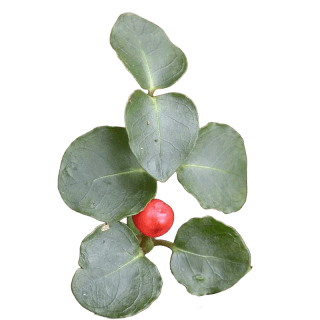
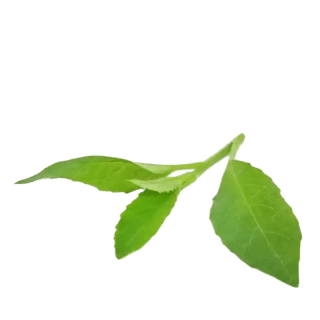
Ipecac, scientifically known as Cephaelis ipecacuanha, is a tropical perennial plant native to South America, particularly in countries like Brazil and Colombia. It belongs to the Rubiaceae family and is recognized for its roots, which have been historically used for their emetic properties. Ipecac is known for its role in inducing vomiting.نبات الإيبكاك، المعروف علميًا باسم Cephaelis ipecacuanha، هو نبات استوائي معمر موطنه الأصلي أمريكا الجنوبية، وخاصة في دول مثل البرازيل وكولومبيا. ينتمي إلى الفصيلة الفوية (Rubiaceae) ويُعرف بجذوره التي استُخدمت تاريخيًا لخصائصها المُقيئة. يُعرف الإيبكاك بدوره في تحفيز القيء.
Categoryالفئة
• Emetic (induces vomiting)
• Potential treatment for poisoning
• Limited modern research due to safety concerns• مُقيئ (يُسبب التقيؤ)
• علاج محتمل للتسمم
• أبحاث حديثة محدودة بسبب مخاوف تتعلق بالسلامة
Habitatالموطن
Ipecac plants grow in tropical rainforests and are typically found in shady, moist areas. They are cultivated for their roots, which contain alkaloids, including emetine and cephaeline. These alkaloids are responsible for the emetic properties of Ipecac. The plant has been traditionally harvested for medicinal use. تنمو نباتات الإيبكاك في الغابات الاستوائية المطيرة، وتوجد عادةً في المناطق الرطبة الظليلة. تُزرع هذه النباتات من أجل جذورها التي تحتوي على قلويدات، منها الإيميتين والسيفالين. هذه القلويدات هي المسؤولة عن خصائص الإيبكاك المقيئة. وقد جرت العادة على حصاد هذا النبات لاستخدامه في الطب.
Parts usedالأجزاء المستخدمة
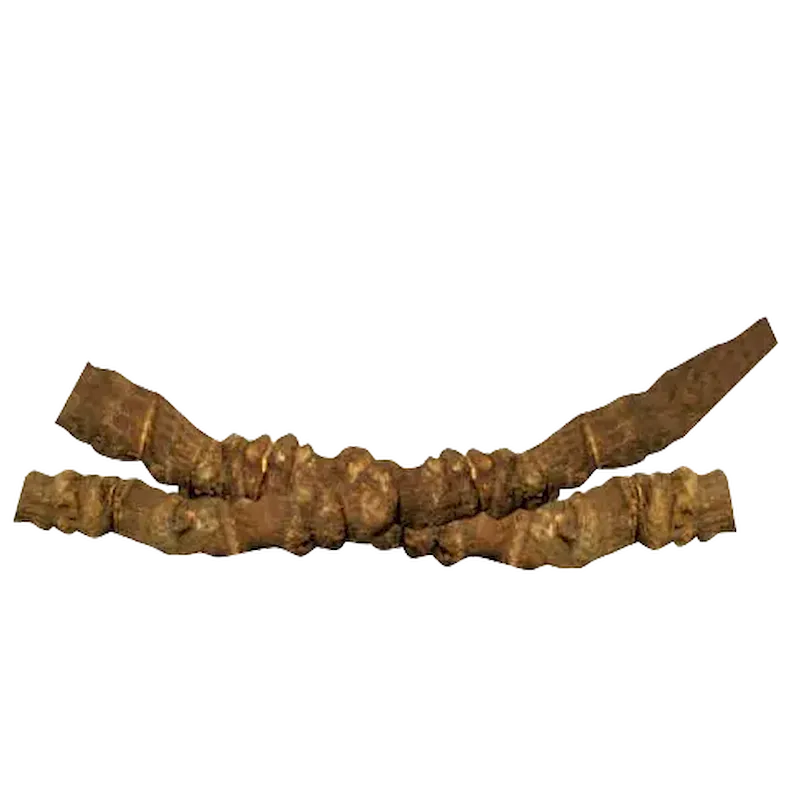
• Roots • الجذور
Key constituentsالمكوّنات الفعّالة
• Emetine (isoquinoline alkaloid ~1–2% roots — primary emetic; amebicidal, expectorant; toxic at high doses)
• Cephaeline (alkaloid ~1–2% — emetic, amoebicidal)
• Psychotrine and O-methylpsychotrine (minor alkaloids — emetic)
• Tannins (~5‐10% — astringent, antimicrobial)
• Flavonoids (quercetin, kaempferol — antioxidant, anti-inflammatory)
• Saponins (~1–3% — expectorant)
• Caution: highly toxic; controlled use only; superseded by modern antiemetics• إيميتين (قلويد إيزوكينولين ~1-2% من الجذور - مُقيئ رئيسي؛ قاتل للأميبا، مُقشع؛ سام عند الجرعات العالية)
• سيفالين (قلويد ~1-2% - مُقيئ، قاتل للأميبا)
• سيكوترين وO-ميثيل سيكوترين (قلويدات ثانوية - مُقيئ)
• تانينات (~5-10% - قابضة، مضادة للميكروبات)
• فلافونويدات (كيرسيتين، كامفيرول - مضاد للأكسدة، مضاد للالتهابات)
• صابونينات (~1-3% - مُقشع)
• تحذير: شديد السمية؛ يُستخدم تحت إشراف طبي فقط؛ تم استبداله بمضادات القيء الحديثة
Researchالأبحاث
Ipecac is historically known for its emetic properties and its use in treating poisoning cases. However, its use has declined due to safety concerns and the availability of safer alternatives. Modern research on Ipecac is limited. يُعرف نبات الإيبكاك تاريخياً بخصائصه المقيئة واستخدامه في علاج حالات التسمم. إلا أن استخدامه قد تراجع بسبب مخاوف تتعلق بالسلامة وتوفر بدائل أكثر أماناً. ولا تزال الأبحاث الحديثة حول الإيبكاك محدودة.
Traditional useالاستخدام التقليدي
Ipecac has been traditionally used as an emetic to induce vomiting in cases of poisoning. It has also been used in some traditional herbal remedies. However, its use has decreased over time due to safety concerns and the availability of other treatments for poisoning.استُخدم نبات عرق الذهب تقليديًا كمقيء لتحفيز التقيؤ في حالات التسمم، كما استُخدم في بعض العلاجات العشبية التقليدية. إلا أن استخدامه قد انخفض بمرور الوقت بسبب مخاوف تتعلق بالسلامة وتوفر علاجات أخرى للتسمم.
Current useالاستخدام الحالي
Ipecac roots were traditionally used to prepare emetic remedies. However, the use of Ipecac for inducing vomiting has decreased, and it is not commonly used in contemporary medicine. It should only be used under the guidance of a healthcare professional in cases of poisoning. استُخدمت جذور نبات الإيبكاك تقليديًا في تحضير أدوية مُقيئة. إلا أن استخدامها لهذا الغرض قد تراجع، ولم يعد شائع الاستخدام في الطب الحديث. ولا يُنصح باستخدامه إلا تحت إشراف طبيب مختص في حالات التسمم.
Preparationsالتحضيرات
Variousمتنوع
Used for these conditionsيُستخدم لهذه الحالات
Adult dosageجرعة البالغين
Dosages for Ipecac should only be determined and administered by qualified healthcare professionals in cases of poisoning, and it is not recommended for use without medical supervision. يجب تحديد جرعات نبات عرق الذهب وإعطاؤها فقط من قبل متخصصين مؤهلين في الرعاية الصحية في حالات التسمم، ولا يُنصح باستخدامه بدون إشراف طبي.
Child dosageجرعة الأطفال
Dosages for Ipecac should only be determined and administered by qualified healthcare professionals in cases of poisoning, and it is not recommended for use without medical supervision. يجب تحديد جرعات نبات عرق الذهب وإعطاؤها فقط من قبل متخصصين مؤهلين في الرعاية الصحية في حالات التسمم، ولا يُنصح باستخدامه بدون إشراف طبي.
Cautionتحذيرات
Ipecac is no longer recommended for routine treatment of poisoning by poison-control authorities. Repeated or chronic use causes emetine accumulation leading to potentially fatal cardiomyopathy and arrhythmias (a known danger in eating-disorder misuse). Never self-administer; contact a poison-control centre in cases of poisoning.لم يعد عرق الذهب مُوصى به من قبل مراكز مكافحة السموم للعلاج الروتيني للتسمم. يؤدي الاستخدام المتكرر أو المزمن إلى تراكم الإيميتين مسببًا اعتلال عضلة القلب واضطراب النظم القلبي الذي قد يكون قاتلًا (خطر معروف عند إساءة الاستخدام في اضطرابات الأكل). لا تستخدمه ذاتيًا؛ اتصل بمركز مكافحة السموم في حالات التسمم.
Pregnancy & nursingالحمل والرضاعة
Contraindicated in pregnancy and breastfeeding. Ipecac induces vomiting and contains cardiotoxic emetine; do not use.يُمنع أثناء الحمل والرضاعة. يُحفّز عرق الذهب التقيؤ ويحتوي على الإيميتين السام للقلب؛ يجب تجنبه تمامًا.