
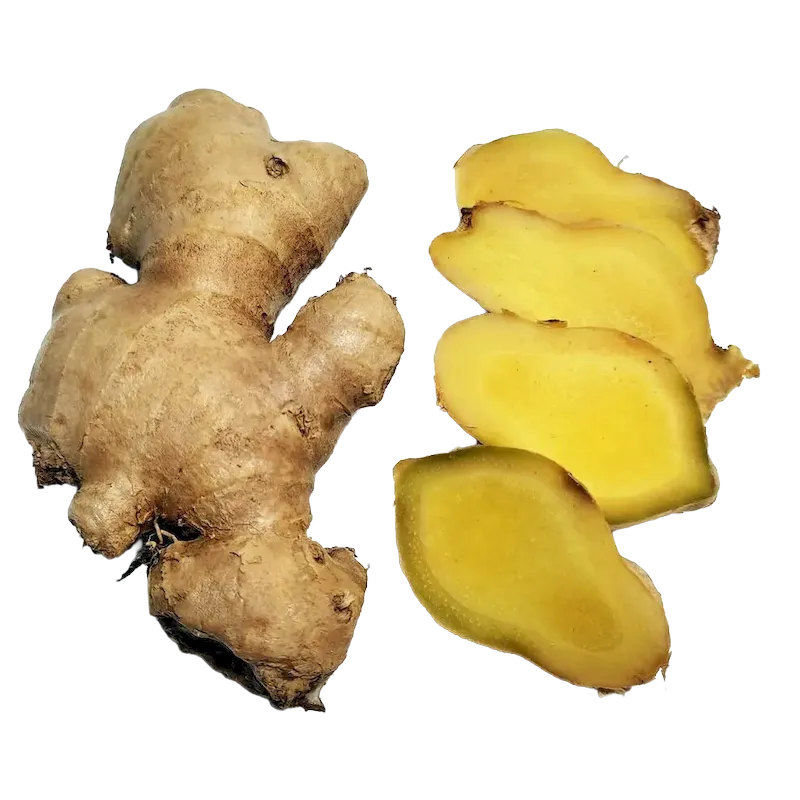
Introductionمقدّمة
Ginger, scientifically known as Zingiber officinale, is a flowering plant native to Southeast Asia, known for its potential medicinal properties, particularly for its use as a digestive aid and for its anti-nausea effects. الزنجبيل، المعروف علمياً باسم Zingiber officinale، هو نبات مزهر موطنه الأصلي جنوب شرق آسيا، ويشتهر بخصائصه الطبية المحتملة، وخاصة استخدامه كمساعد للهضم ولتأثيراته المضادة للغثيان.
Categoryالفئة
• Digestive aid
• Anti-nausea
• Anti-inflammatory
• Antioxidant• مُساعد للهضم
• مُضاد للغثيان
• مُضاد للالتهابات
• مُضاد للأكسدة
Habitatالموطن
Native to Southeast Asia, Ginger is cultivated in various regions with well-drained soils and warm climates. يزرع الزنجبيل، وهو نبات موطنه الأصلي جنوب شرق آسيا، في مناطق مختلفة ذات تربة جيدة التصريف ومناخ دافئ.
Parts usedالأجزاء المستخدمة
• Rhizome (root) • الجذمور (الجذر)
Key constituentsالمكوّنات الفعّالة
• Gingerols (6-gingerol primary — ~1–2% fresh rhizome; anti-nausea, anti-inflammatory, antioxidant; also 8-gingerol, 10-gingerol)
• Shogaols (6-shogaol — formed from gingerols on drying; ~2x more potent than gingerol; anti-cancer, anti-inflammatory)
• Zingerone (phenylketone — antidiarrheal, anti-inflammatory; formed from gingerol on heating)
• Paradols (6-paradol — antioxidant, anti-tumor)
• Essential oils (zingiberene ~30–35% EO; beta-sesquiphellandrene; bisabolene; beta-phellandrene; camphene)
• Sesquiterpenes (alpha-zingiberene — primary terpenoid, anti-inflammatory; geraniol)
• Diarylheptanoids (gingerenone A, B, C — anti-inflammatory, anti-osteoporotic)
• Phenolic acids (caffeic acid, ferulic acid — antioxidant)
• Flavonoids (quercetin, kaempferol — anti-inflammatory)
• Starch (~50% dry rhizome — primary structural component)
• Proteases (zingibain — meat tenderizer, anti-inflammatory)
• Minerals (potassium ~415 mg/100g; magnesium; phosphorus; manganese; copper)• جينجيرول (جينجيرول-6 الأساسي - حوالي 1-2% من الجذور الطازجة؛ مضاد للغثيان، مضاد للالتهابات، مضاد للأكسدة؛ وكذلك جينجيرول-8، جينجيرول-10)
• شوجول (شوجاول-6 - يتكون من الجينجيرول عند التجفيف؛ أقوى بمرتين تقريبًا من الجينجيرول؛ مضاد للسرطان، مضاد للالتهابات)
• زينجيرون (فينيل كيتون - مضاد للإسهال، مضاد للالتهابات؛ يتكون من الجينجيرول عند التسخين)
• بارادول (بارادول-6 - مضاد للأكسدة، مضاد للأورام)
• زيوت عطرية (زينجيبيرين - حوالي 30-35% من الزيت العطري؛ بيتا-سيسكويفيلاندرين؛ بيسابولين؛ بيتا-فيلاندرين؛ كامفين)
• سيسكويتربينات (زينجيبيرين-ألفا - تربينويد أساسي، مضاد للالتهابات؛ جيرانيول)
• ثنائي أريل هيبتانويدات (جينجيرينون أ، ب، ج - مضاد للالتهابات، مضاد لهشاشة العظام)
• فينولي الأحماض (حمض الكافيين، حمض الفيروليك - مضاد للأكسدة)
• الفلافونويدات (الكيرسيتين، الكامفيرول - مضاد للالتهابات)
• النشا (حوالي 50% من جذور النبات الجافة - المكون الهيكلي الأساسي)
• البروتيازات (الزنجيبين - مُطرّي للحوم، مضاد للالتهابات)
• المعادن (البوتاسيوم حوالي 415 ملغ/100 غرام؛ المغنيسيوم؛ الفوسفور؛ المنغنيز؛ النحاس)
Researchالأبحاث
Extensive research supports its use for digestive relief, anti-nausea effects, and anti-inflammatory properties. Traditionally used for culinary and medicinal purposes. تدعم الأبحاث المكثفة استخدامه لتخفيف مشاكل الجهاز الهضمي، ومكافحة الغثيان، وخصائصه المضادة للالتهابات. ويُستخدم تقليدياً لأغراض الطهي والعلاج.
Published researchأبحاث منشورة
↗ Effect of ginger (Zingiber officinale) on inflammatory markers: A systematic review and meta-analysis of randomized controlled trials↗ Effect of ginger (Zingiber officinale) intake on human serum lipid profile: Systematic review and meta-analysis↗ Effects of Ginger (Zingiber officinale Roscoe) on Type 2 Diabetes Mellitus and Components of the Metabolic Syndrome: A Systematic Review and Meta-Analysis of Randomized Controlled TrialsTraditional useالاستخدام التقليدي
Traditionally used in culinary dishes and as a medicinal herb for digestive relief, anti-nausea effects, and flavor enhancement. Often consumed as teas, tinctures, or in various culinary preparations for its spicy and aromatic flavor. يُستخدم تقليديًا في أطباق الطهي وكعشبة طبية لتخفيف مشاكل الهضم، ومكافحة الغثيان، وتحسين النكهة. غالبًا ما يُستهلك على شكل شاي أو صبغات أو في تحضيرات طهي متنوعة لنكهته الحارة والعطرية.
Current useالاستخدام الحالي
Fresh or dried ginger rhizome, teas, tinctures, and as an ingredient in culinary dishes and herbal formulations for digestive aid, anti-nausea, and flavor enhancement. يُستخدم الزنجبيل الطازج أو المجفف في تحضير الشاي والصبغات، كما يُستخدم كمكون في أطباق الطهي والتركيبات العشبية للمساعدة على الهضم، ومكافحة الغثيان، وتحسين النكهة.
Preparationsالتحضيرات
Culinary, Tea, Tinctureشاي, خلاصة سائلة, طهي
Used for these conditionsيُستخدم لهذه الحالات
☾ Prophetic reference☾ إشارة نبوية
Quran 76:17 — Mentioned as a drink of Paradise: "And they will be given a cup [of wine] whose mixture is of ginger."القرآن الكريم (الإنسان: 17) — شراب أهل الجنة: "وَيُسْقَوْنَ فِيهَا كَأْسًا كَانَ مِزَاجُهَا زَنْجَبِيلًا."
Adult dosageجرعة البالغين
Dosage varies based on the form and purpose. For digestive relief and anti-nausea effects, recommended dosages range from 250-500 mg of ginger extract or 1-2 grams of dried ginger daily. Consult a healthcare provider for personalized guidance. تختلف الجرعة باختلاف الشكل والغرض. لتخفيف عسر الهضم والغثيان، تتراوح الجرعات الموصى بها بين 250 و500 ملغ من مستخلص الزنجبيل أو 1-2 غرام من الزنجبيل المجفف يوميًا. استشر طبيبك للحصول على إرشادات شخصية.
Child dosageجرعة الأطفال
Generally safe for children and adults. Dosages may vary; consult product labels or a healthcare provider for specific recommendations. آمن بشكل عام للأطفال والبالغين. قد تختلف الجرعات؛ راجع ملصقات المنتج أو استشر مقدم الرعاية الصحية للحصول على توصيات محددة.
Cautionتحذيرات
Generally well-tolerated; may cause mild heartburn or digestive upset. At high/therapeutic doses ginger has mild blood-thinning (antiplatelet) activity — use caution with anticoagulant/antiplatelet medicines (e.g., warfarin) and before surgery. Use cautiously with gallstones (stimulates bile flow).يتحمله الجسم بشكل عام؛ وقد يسبب حرقة خفيفة أو اضطراباً هضمياً. بالجرعات العالية/العلاجية للزنجبيل تأثير خفيف مميّع للدم (مضاد للصفيحات) — يُستعمل بحذر مع مضادات التخثر/الصفيحات (مثل الوارفارين) وقبل الجراحة. ويُستعمل بحذر مع حصوات المرارة (يُحفّز تدفق الصفراء).
Pregnancy & nursingالحمل والرضاعة
Generally considered safe in pregnancy at culinary/therapeutic doses up to ~1 g/day, and commonly used to relieve morning sickness. Doses above ~1 g/day, or use near term (mild antiplatelet effect), should be discussed with a healthcare provider.يُعدّ آمناً بشكل عام أثناء الحمل بجرعات غذائية/علاجية حتى حوالي 1 غرام يومياً، ويُستخدم شائعاً لتخفيف غثيان الحمل. أما الجرعات التي تتجاوز حوالي 1 غرام يومياً أو الاستخدام قرب موعد الولادة (لتأثيره الخفيف المضاد للصفيحات) فتُناقش مع الطبيب.


