Introductionمقدّمة
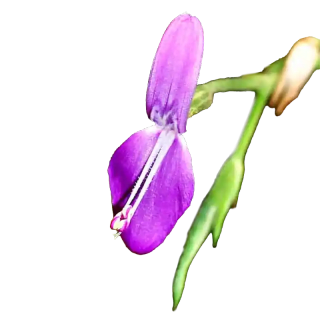
Harpagophytum zeyheri is one of the two 'devil's claw' species (with H. procumbens) — a Kalahari desert plant whose tuber is a well-evidenced remedy for joint pain, osteoarthritis and low-back pain. Its harpagoside-rich root has documented anti-inflammatory and pain-relieving activity, and is a bitter digestive.مخلب الشيطان (Harpagophytum zeyheri) أحد نوعي «مخلب الشيطان» (مع H. procumbens) — نبتة صحراء كالاهاري درنتها علاجٌ موثّق لألم المفاصل والتهابها وألم أسفل الظهر. وجذرها الغنيّ بالهارباغوزيد ذو نشاطٍ موثّق مضاد للالتهاب ومُسكِّن، وهو مُرٌّ هاضم.
Categoryالفئة
• Devil's-claw — joint & pain root
• Anti-inflammatory / analgesic (clinical evidence)
• Osteoarthritis & back-pain remedy
• Bitter digestive tonic
• Antioxidant• مخلب الشيطان — جذر المفاصل والألم
• مضاد للالتهاب/مُسكِّن (أدلّة سريرية)
• علاجٌ لالتهاب المفاصل وألم الظهر
• مقوٍّ مُرّ هاضم
• مضاد للأكسدة
Habitatالموطن
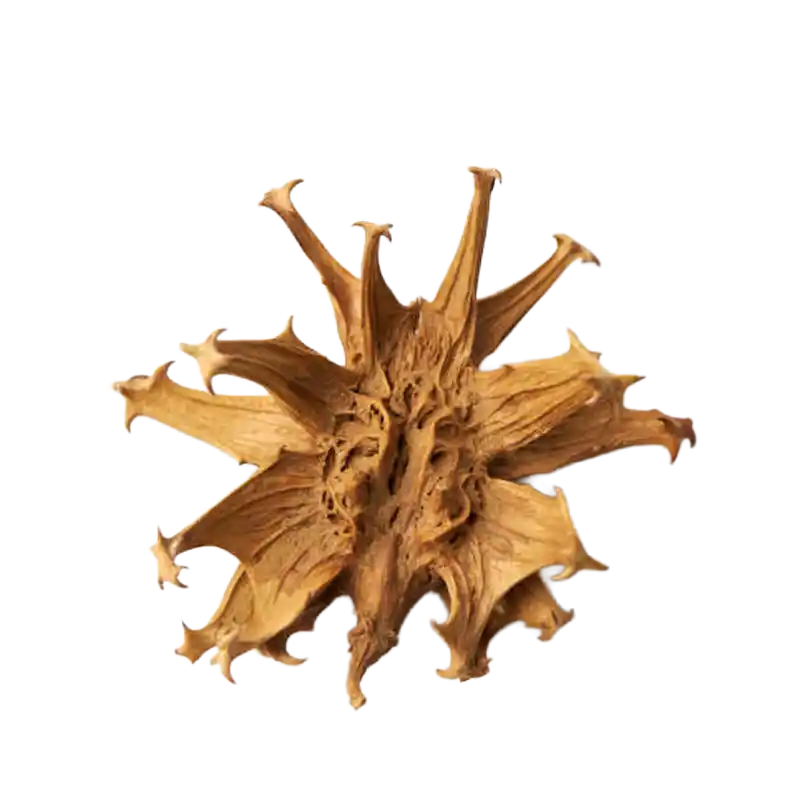
A creeping desert plant with large trumpet flowers and woody, hooked ('claw-like') fruits, of the Kalahari sands of southern Africa.نبتةٌ صحراوية زاحفة بأزهارٍ بوقية كبيرة وثمارٍ خشبية معقوفة («كالمخلب»)، في رمال كالاهاري بجنوب إفريقيا.
Parts usedالأجزاء المستخدمة
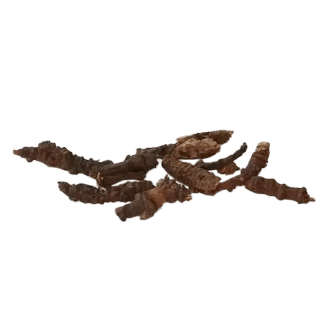
• Secondary root tubers• درنات الجذر الثانوية
Key constituentsالمكوّنات الفعّالة
• Iridoid glycosides (harpagoside, harpagide)
• Phenylethanoids (acteoside)
• Flavonoids
• Bitter compounds
• Phenolic acids• غليكوزيدات إيريدويدية (هارباغوزيد، هارباغيد)
• فينيل إيثانويدات (أكتيوزيد)
• فلافونويدات
• مركّبات مُرّة
• أحماض فينولية
Researchالأبحاث
Devil's claw (Harpagophytum, including zeyheri, which is used interchangeably with procumbens in the herbal trade) is one of the better-evidenced herbal analgesics: reviews of randomised trials support standardised extracts (with harpagoside) for osteoarthritis and low-back pain, with anti-inflammatory activity confirmed in laboratory work. It is generally well tolerated at recommended doses.مخلب الشيطان (Harpagophytum، ومنه zeyheri المستعمل بالتبادل مع procumbens في تجارة الأعشاب) من أكثر المُسكِّنات العشبية دليلاً: تدعم مراجعات التجارب العشوائية المستخلصات الموحّدة (بالهارباغوزيد) لالتهاب المفاصل وألم أسفل الظهر، بنشاطٍ مضاد للالتهاب مؤكّد مخبرياً. وهو جيّد التحمّل عموماً بالجرعات المُوصى بها.
Published researchأبحاث منشورة
Traditional useالاستخدام التقليدي
Used in southern Africa (and widely in Western herbalism) for joint pain, arthritis, rheumatism and back pain, as a bitter tonic to stimulate appetite and digestion, and for fevers and 'blood' complaints; applied to wounds and skin.يُستعمل في جنوب إفريقيا (وواسعاً في العشبية الغربية) لألم المفاصل والتهابها والروماتيزم وألم الظهر، ومقوّياً مُرّاً لتنبيه الشهية والهضم، وللحمّى وشكاوى «الدم»؛ ويُوضَع على الجروح والجلد.
Current useالاستخدام الحالي
Widely sold as standardised devil's-claw tablets, capsules and extracts for arthritis and back pain, and as a bitter digestive.يُباع واسعاً أقراص وكبسولات ومستخلصات مخلب شيطانٍ موحّدة لالتهاب المفاصل وألم الظهر، ومُرّاً هاضماً.
Preparationsالتحضيرات
Standardised extract/tablet, Root decoction, Bitter tonicمستخلص/قرص موحّد، مغليّ جذر، مقوٍّ مُرّ
Used for these conditionsيُستخدم لهذه الحالات
Adult dosageجرعة البالغين
Standardised extract providing about 50–100 mg harpagoside daily, per product; or a bitter root decoction.مستخلص موحّد يوفّر نحو 50–100 ملغ هارباغوزيد يومياً، بحسب المنتج؛ أو مغليّ جذرٍ مُرّ.
Child dosageجرعة الأطفال
Not typically used for children; only under professional guidance.لا يُستعمل عادةً للأطفال؛ فقط بإشراف مختصّ.
Cautionتحذيرات
Being very bitter, it stimulates stomach acid — avoid with active stomach or duodenal ulcers. Use cautiously with heart, blood-pressure or blood-thinning (warfarin) medicines and with diabetes drugs, as interactions are reported. Avoid in pregnancy and gallstones. Choose sustainably-sourced material, as wild devil's claw is over-harvested.لكونه شديد المرارة، يُنبِّه حمض المعدة — يُتجنَّب مع قرحة المعدة أو الاثني عشر النشطة. استعمِله بحذر مع أدوية القلب أو الضغط أو مميّعات الدم (وارفارين) وأدوية السكري، لوجود تفاعلاتٍ مذكورة. يُتجنَّب في الحمل وحصى المرارة. واختَر مادّةً مُستدامة، فمخلب الشيطان البرّي مُفرَط الجمع.
Pregnancy & nursingالحمل والرضاعة
Avoid in pregnancy — traditionally regarded as a uterine stimulant.يُتجنَّب في الحمل — يُعدّ تقليدياً مُنبِّهاً للرحم.