Introductionمقدّمة
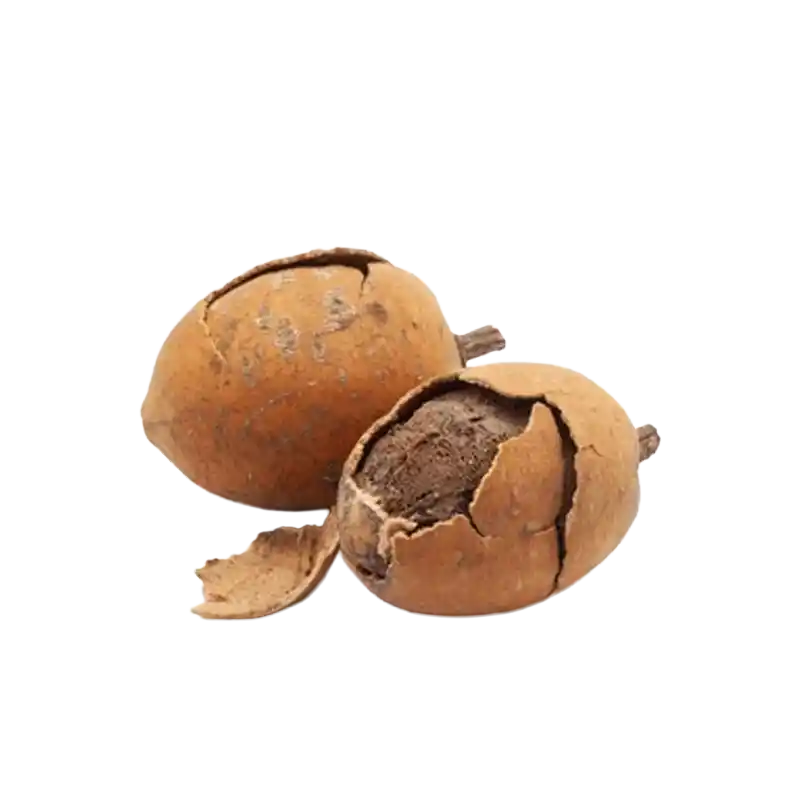
Balanites aegyptiaca (desert date, heglig/lalob) is a hardy desert tree of Africa and the Middle East whose fruit, bark, leaves and seeds are both food and medicine — long used for diabetes, worms, the skin, the liver and infections. Its steroidal saponins give documented antidiabetic and anthelmintic activity.البلح الصحراوي (Balanites aegyptiaca، الهجليج/اللالوب) شجرة صحراءٍ صلبة في إفريقيا والشرق الأوسط ثمرها ولحاؤها وأوراقها وبذورها غذاءٌ ودواء — طالما استُعملت للسكري والديدان والجلد والكبد والعدوى. وتُعطي صابونيناتها الستيرويدية نشاطاً موثّقاً مضاداً للسكري وطارداً للديدان.
Categoryالفئة
• Desert tree — food & medicine
• Antidiabetic (studied)
• Antioxidant / anti-inflammatory
• Anthelmintic & molluscicidal (saponins)
• Traditional gut, skin & 'sugar' remedy• شجرة صحراء — غذاء ودواء
• مضاد للسكري (مدروس)
• مضاد للأكسدة/الالتهاب
• طاردٌ للديدان ومبيد للقواقع (صابونينات)
• علاجٌ تقليدي للأمعاء والجلد و«السكري»
Habitatالموطن
A spiny desert and dry-savanna tree of Africa, the Sahel, Egypt and Arabia, bearing date-like yellow fruits and thriving in arid ground.شجرةٌ شائكة في الصحراء والسافانا الجافّة بإفريقيا والساحل ومصر والجزيرة العربية، تحمل ثماراً صفراء كالبلح وتزدهر في الأرض القاحلة.
Parts usedالأجزاء المستخدمة
• Fruit
• Bark
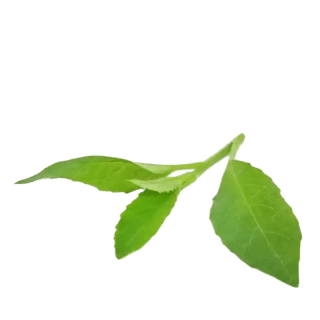
• Leaves
• Seeds/kernel & oil
• Roots• الثمر
• اللحاء
• الأوراق
• البذور/النواة والزيت
• الجذور
Key constituentsالمكوّنات الفعّالة
• Steroidal saponins (balanitins, diosgenin)
• Furostanol saponins
• Flavonoids
• Fixed oil (kernel)
• Tannins & vitamins• صابونينات ستيرويدية (بالانيتينات، ديوسجينين)
• صابونينات فيوروستانولية
• فلافونويدات
• زيتٌ ثابت (النواة)
• عفص وفيتامينات
Researchالأبحاث
Studies confirm Balanites aegyptiaca fruit and its furostanol saponins lower blood sugar and improve insulin secretion in diabetic models, alongside antioxidant, anti-inflammatory and antimicrobial activity, and the saponins are documented anthelmintics and molluscicides (used against schistosomiasis-carrying snails) — supporting its many traditional uses. The fruit is a nutritious food; concentrated saponin-rich preparations need more care.تؤكّد الدراسات أن ثمر البلح الصحراوي وصابونيناته الفيوروستانولية تخفض سكر الدم وتُحسِّن إفراز الإنسولين في نماذج السكري، مع نشاطٍ مضاد للأكسدة والالتهاب والميكروبات، والصابونينات طاردات ديدانٍ ومبيدات قواقع موثّقة (تُستعمل ضدّ قواقع البلهارسيا) — بما يدعم استعمالاته التقليدية الكثيرة. والثمر غذاءٌ مغذٍّ؛ والتحضيرات المركّزة الغنيّة بالصابونين تحتاج حذراً أكبر.
Published researchأبحاث منشورة
Traditional useالاستخدام التقليدي
Used across Africa and the Middle East for diabetes, intestinal worms and parasites, liver and jaundice, stomach and chest complaints, wounds and skin conditions, and as a purgative; the fruit is eaten, the kernel yields edible/cosmetic oil, and the plant is used to control bilharzia snails.يُستعمل في إفريقيا والشرق الأوسط للسكري والديدان المعوية والطفيليات والكبد واليرقان وشكاوى المعدة والصدر والجروح والأمراض الجلدية ومُسهِّلاً؛ والثمر يُؤكَل، والنواة تُعطي زيتاً صالحاً/تجميلياً، وتُستعمل النبتة لمكافحة قواقع البلهارسيا.
Current useالاستخدام الحالي
A desert food and folk medicine; the fruit and extracts used for blood sugar and worms, and the kernel oil for skin/hair. Studied scientifically.غذاء صحراءٍ ودواءٌ شعبيّ؛ الثمر والمستخلصات للسكري والديدان، وزيت النواة للجلد/الشعر. ويُدرَس علمياً.
Preparationsالتحضيرات
Fresh fruit (food), Bark/leaf/seed decoction, Kernel oil (skin)ثمرٌ طازج (غذاء)، مغليّ لحاء/ورق/بذور، زيت نواة (جلد)
Used for these conditionsيُستخدم لهذه الحالات
☾ Prophetic reference☾ إشارة نبوية
The desert date (heglig/lalob) is a well-known tree of the African drylands and Nile valley; while not named in the primary Islamic sources, it belongs to the wider heritage of beneficial desert food-trees valued in the region alongside the date palm and sidr. This is cultural/regional heritage rather than a specific prophetic prescription.البلح الصحراوي (الهجليج/اللالوب) شجرةٌ معروفة في أراضي إفريقيا الجافّة ووادي النيل؛ وهو — وإن لم يُسمَّ في المصادر الإسلامية الأولى — من تراث أشجار الغذاء الصحراوية النافعة المُقدَّرة في المنطقة إلى جانب النخلة والسِّدر. وهذا تراثٌ ثقافي/إقليمي لا وصفةٌ نبوية محدّدة.
Adult dosageجرعة البالغين
Fruit eaten as food; bark/leaf/seed decoction in small traditional amounts for blood sugar or worms.الثمر يُؤكَل طعاماً؛ ومغليّ لحاء/ورق/بذور بكميات تقليدية صغيرة لسكر الدم أو الديدان.
Child dosageجرعة الأطفال
The fruit is a safe food; medicinal bark/seed doses only under guidance.الثمر غذاءٌ آمن؛ وجرعات اللحاء/البذور الدوائية بإشراف فقط.
Cautionتحذيرات
The fruit is a safe, nutritious food. The saponin-rich bark, seeds and roots are stronger — large amounts can irritate the gut, act as a purgative, and (being molluscicidal) are toxic to fish and aquatic life. Its blood-sugar-lowering effect can add to diabetes medicines. Use concentrated preparations modestly and under guidance.الثمر غذاءٌ آمن مغذٍّ. واللحاء والبذور والجذور الغنيّة بالصابونين أقوى — والكميات الكبيرة قد تُهيّج الأمعاء وتعمل مُسهِّلاً و(كونها مبيدة للقواقع) سامّة للأسماك والأحياء المائية. وقد يُضاف أثرها الخافض لسكر الدم إلى أدوية السكري. استعمِل التحضيرات المركّزة باعتدالٍ وبإشراف.
Pregnancy & nursingالحمل والرضاعة
Fruit in food amounts is generally fine; avoid concentrated saponin-rich bark/seed doses in pregnancy.الثمر بكميات الطعام مقبولٌ عموماً؛ وتُتجنَّب جرعات اللحاء/البذور المركّزة الغنيّة بالصابونين في الحمل.